
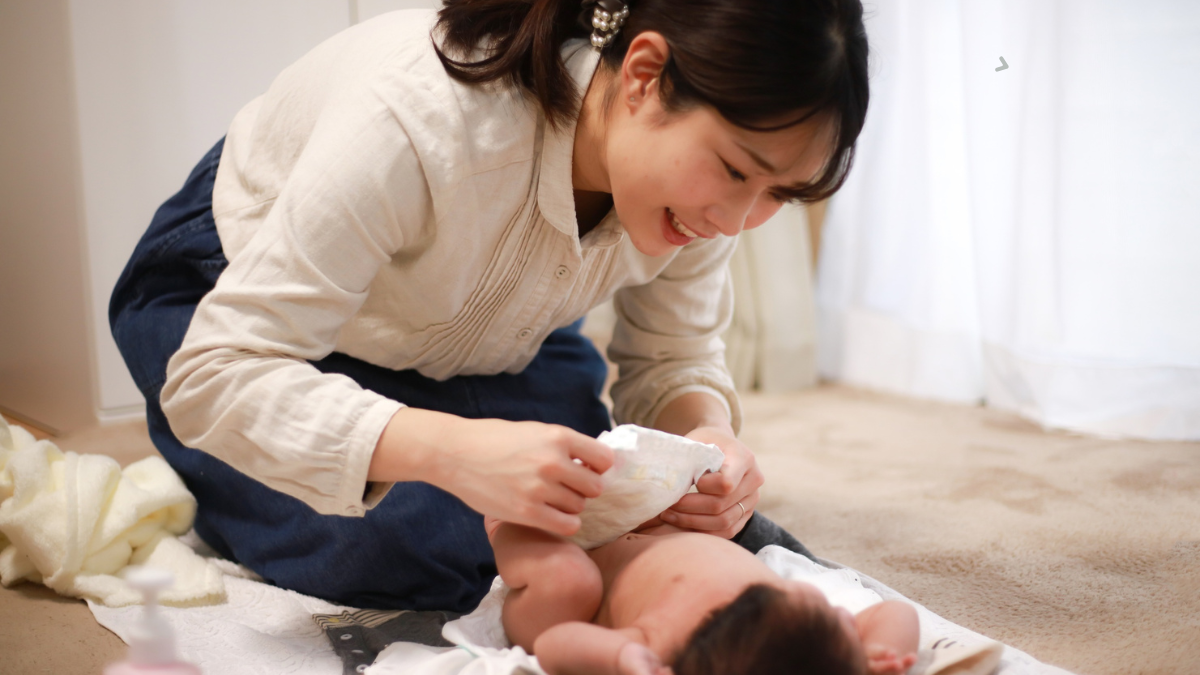
 Mom with Vibe Team
Parents and caregivers pay attention to the smallest details regarding their baby’s health.
We all feel confused, excited, and overwhelmed with emotions when it comes to babies. A common question we receive is related to white curds in a baby’s stool, spit-up, or vomit.
As a parent or caregiver, you may become worried about the white-colored curds in the baby’s spit-up or vomit.
Today, we’re going to explain what white curds are in babies, what they mean, possible causes, symptoms, and remedies.
Disclaimer: This is not a medical advice.
What Are White Curds in Babies?
When we talk about white curds, we mostly refer to white, cottage cheese-like clumps in vomit, spit-up, or the baby’s diaper. They can appear in yellow or milky colors, with curd clusters of varying sizes. The white curds may also resemble pieces of milk, soft, lumpy, or grainy.
In most cases, white curds indicate partially digested milk. A baby’s digestive system isn’t fully matured, so it is not uncommon for their spit-up to be curdled instead of fully digested.
However, sometimes white curds may signal other issues if the baby is suffering from an underlying condition. You can typically differentiate this by the presence of other symptoms alongside the curds.
Related: 5 Signs Your Baby Is Ready To Stop Napping
Common Causes of White Curds in Babies
There are various reasons why your baby might have white curds in their spit-up. The most common causes are as follows:
1. Partially Digested Milk
One of the most common reasons for curds is partially digested milk that has stayed in the stomach for a while. This results in curdling, which can be seen when the baby spits up or vomits.
A baby’s stomach is acidic and contains enzymes that break down milk proteins. This can cause clotting or curdling of the milk protein. The baby’s spit-up or vomit may contain these curds due to partially digested milk.
This is a normal occurrence when the milk isn’t completely broken down in the baby’s stomach.
Related: How to Help Your Baby Sleep Better
2. Immature Digestive System
In their early months, a baby’s digestive system is not fully developed. They are unable to completely digest milk, whether breastfed or formula-fed. As a result, undigested milk curds may be passed through their spit-up or stool.
3. Overfeeding
Overfeeding causes the baby to consume a large amount of milk at once. If the stomach cannot process the extra milk in time, it will result in curds.
Infants who gulp down milk quickly or drink from bottles with large holes in the nipples are more likely to experience this issue.
4. Reflux (GERD in Babies)
Gastroesophageal reflux (GERD) refers to the condition where milk flows back from the stomach to the esophagus.
This is one of the most common causes of curds in babies, as babies with reflux tend to spit up frequently. Their spit-up usually contains curdled milk.
GERD is common in infants under 12 months and usually improves as the baby grows.
Related; How to Help Your Baby Turn Head Down
5. Milk Intolerance or Allergy
White curds in the stool or spit-up may be signs of a cow’s milk protein allergy (CMPA) or lactose intolerance.
Additional symptoms that may indicate these conditions include fussiness, gas, diarrhea, blood in stool, or skin rashes.
If your baby is exhibiting any of these symptoms, you should consult a pediatrician to rule out milk intolerance or allergy.
6. Infections
In some rare cases, an infection or bug can cause vomiting in a baby, resulting in curds of milk in the vomit.
This is usually accompanied by fever, diarrhea, or behavioral changes such as excessive sleep or drowsiness.
7. Swallowing Air
Babies that swallow air during feeding may spit up frequently with curds of milk. This occurs due to the air swallowed during feeding.
It happens when the baby isn’t latching correctly during breastfeeding or when the bottle nipples allow too much air.
Related: 10 Ways to Train Your Baby to Sit
Symptoms to Look for Along with White Curds
White curds are not typically harmful for babies. However, you should monitor for the following symptoms:
-
Frequent or forceful vomiting (projectile vomiting)
-
Presence of blood or green bile in vomit or stool
-
Consistent diarrhea or watery stool
-
Poor weight gain or weight loss
-
Extreme irritability or crying during/after feeds
-
Refusal to feed or lack of appetite
-
Fever or signs of illness
If your baby has white curds with any of these symptoms, you should consult a pediatrician.
Related: How to Make Your Baby Fart
Things You Can Do
If you notice white curds in your baby’s spit-up or stool, here are a few practical steps you can take:
1. Check the Amount of Feeding
Ensure you’re not overfeeding your baby. If formula-feeding, follow the recommended amounts.
For breastfeeding, watch for signs that your baby is full (e.g., turning away, stopping suckling).
2. Feed Your Baby in an Upright Position
Hold your baby upright during and for at least 20–30 minutes after feeding. This helps gravity keep the milk in the stomach.
3. Burp Your Baby
Burp your baby halfway through and after feeding to reduce swallowed air, which may help reduce spit-up.
Related: 15 Fun Things To Do With Your New Born Baby
4. Choose the Right Bottle Nipple
If bottle-feeding, use a slow-flow nipple to help your baby drink at a slower pace, which can reduce the likelihood of curds.
5. Watch for Allergies
If your baby is showing other symptoms like rashes, diarrhea, or excessive crying, consult a doctor. They may diagnose cow’s milk protein allergy or lactose intolerance. Changing the formula or adjusting the breastfeeding parent’s diet might help.
6. Keep the Baby Comfortable
Avoid keeping your baby flat right after feeding. Gently rock them or hold them in an upright position to keep them comfortable and aid digestion.
7. Keep Track of Symptoms
Maintain a simple diary of when you notice white curds, how often the baby spits up, and any related symptoms. This will help the pediatrician identify patterns and the cause.
When to See a Doctor
While white curds in spit-up or stool are usually normal, contact your pediatrician if:
-
The baby is vomiting forcefully and frequently.
-
You notice blood or green fluid in the baby’s vomit or stool.
-
The baby has a high fever.
-
You notice signs of dehydration, such as fewer wet diapers, dry mouth, or a sunken fontanelle.
-
The baby isn’t gaining weight or seems unusually weak.
In conclusion, it’s always best to contact your healthcare professional if you’re unsure.
Key Takeaways
-
White curds in babies are typically partially digested milk.
-
The most common causes are overfeeding, reflux, or an underdeveloped digestive system.
-
In most cases, they are harmless but can indicate allergies or illness.
-
Adjusting feeding methods, burping the baby, and monitoring symptoms can help.
-
Contact a doctor if vomiting, diarrhea, blood, fever, or weight issues occur.
Final Thoughts
White curds in your baby’s spit-up or diapers can be concerning, but they are often normal. A baby’s body isn’t fully adapted to feeding yet, and the growth it needs to undergo takes time. By monitoring feeding methods, keeping an eye on other symptoms, and consulting a pediatrician, you can ensure your baby remains comfortable and healthy.
As parents and caregivers, our instincts are invaluable, and we should never ignore them. If something doesn’t feel right, don’t hesitate to contact your healthcare provider.
Both your baby’s health and your peace of mind are equally important, and with the right information, you can address these small hiccups with ease.
Save the pin for later


- 10 DIY Sensory Play Activities for Toddlers - March 12, 2026
- 12 Family Organization Systems for Busy Moms - March 12, 2026
- How to Change a Diaper: A Step by Step Guide - March 11, 2026