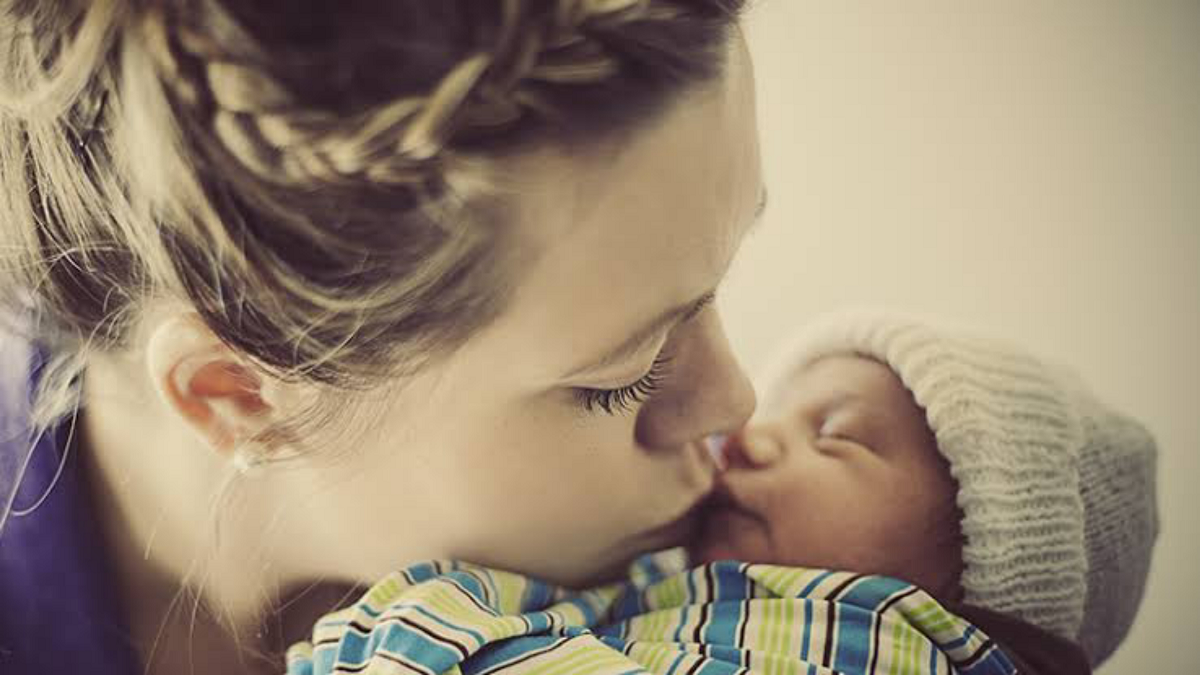
Mom with Vibe Team
The arrival of a baby is as exciting as it is terrifying. As a new parent, you’ll experience feelings of joy and pride about your little one, but you’ll also feel disoriented by their strange little habits. After all, newborns are bound to have some weird things about them.
But the fact is that most of the time, there is nothing to be alarmed about. Their habits are often peculiar but entirely normal. While the newborn stage is undoubtedly wonderful, it’s also a time when your child will exhibit odd behaviors.
We understand that it can be hard to pinpoint all of the little habits and traits that your baby might have.
If you’re a new parent (or about to be one), it’s natural for you to have already experienced some of these weird little habits that newborns exhibit.

18 Weird But Normal Things About Newborns
1. Their Hands Are Often Clenched
Expect to see your newborn with their fists clenched most of the time in the early weeks. This can be a bizarre sight, but it’s normal behavior for a newborn.
It’s called the grasp reflex, and it’s caused by a survival instinct that your newborn has. It’s an involuntary movement that they will eventually grow out of as their nervous system matures, so you can expect your baby to relax their fists soon.
Related: 25 food That Will Increase Your Baby’s Brain Power
2. They Sleep A Lot—But Not In One Go
A newborn can sleep up to 16 to 18 hours a day, but rest assured, it won’t all be in one go. Instead, you can expect your newborn to sleep in intervals, waking up frequently throughout the day and night.
The reason for this is that your newborn can only consume small amounts of milk at once and will need to eat every few hours to quench their hunger.
It’s exhausting, but it won’t last long! Over time, their sleep pattern will settle into a more regular routine.
Related: 5 Signs Your Baby Is Ready To Stop Napping
3. They Have A “Baby Acne” Phase
As adorable as your little one is, it’s not uncommon for them to experience acne during the newborn phase. Baby acne is a condition that causes a rash to appear on the skin, and it is common in newborns between 2 and 4 weeks old. It can show up on the face, chest, or back.
Acne in babies is caused by hormones transferred from the mother to the child during pregnancy. It might look a little concerning at first, but baby acne is completely harmless. It’ll go away on its own after a few weeks.
Related: Infant Strabismus: Symptoms, Causes, and Remedies
4. They Have an Overactive Startle Reflex
You’ll also notice that newborns have a strong startle reflex, commonly referred to as the Moro reflex. It’s when they fling their arms and legs outward and upward in a reflexive startle response to a loud noise or sudden movement.
Newborns have an overactive startle reflex at birth, but it will disappear as they develop more control over their body movements.
Related: 25 food That Will Increase Your Baby’s Brain Power
5. They Sometimes Twitch or Jerk During Sleep
When they sleep, you might see your newborn twitch, jerk, or even flinch. This is due to sleep myoclonus, a reflex action that happens as the baby’s nervous system is still developing and hasn’t yet matured. This is a natural occurrence, and there is nothing to worry about. As your child gets older, this reflex will eventually disappear.
Related: When Do Babies Start Rolling Over and How to Teach Them?
6. They Can Turn Their Heads to the Side in Sleep
Newborns often turn their heads to one side while sleeping, which can be alarming at first, but it’s nothing to worry about. This is the result of an automatic body reflex known as the asymmetrical tonic neck reflex or fencing reflex. It happens when the baby turns their head to the side, and one of their arms and legs will extend while the arm and leg on the opposite side will curl.
It’s an automatic reflex for newborns that will eventually go away as their body develops.
Related: How to Help Your Baby Sleep Better
7. They Can “Sneeze” Without A Cold
One of the strangest things about newborns is that they often seem to sneeze without any apparent cause. If they don’t actually have a cold, it can be very concerning for a new parent. However, it’s just a natural part of their development. As newborns adjust to being outside of the womb, their nasal passages will become congested with mucus, and sneezing is the body’s way of clearing out the excess mucus.
Related: 10 Signs of Soy Allergy in Babies Every Parent Should Know
8. Their Tummy Might Look Round or Hard After Feeding
It’s not uncommon for a newborn to have a very full or even hard-looking tummy after they’ve finished feeding.
This is a completely normal part of digestion, as their stomachs are small and it can take some time for their digestive systems to process the milk. The shape of their abdomen is nothing to worry about as long as they are not in any pain or distress.
9. They Have a Weak Immune System
Your newborn’s immune system will be underdeveloped at birth. This is completely normal, as it takes time for their bodies to learn how to fight off germs and illnesses.
As their immune system learns, it’s not unusual for your newborn to catch the occasional cold or get some mild congestion, but otherwise, it should be relatively healthy.
10. Their Poop Changes Frequently
Newborns go through several different stages of poop, and it’s not uncommon to be grossed out by the changes in their stool.
Their first bowel movements will be meconium, which is a black, tar-like substance that consists of the things your baby ingested while in the womb.
After a few days or weeks, their stool will become more yellowish or seedy in texture if they’re breastfed, or brownish in texture if they’re formula-fed. The color and consistency of your newborn’s poop are bound to change, but that’s normal.
11. They Might Have “Rashes” That Are Actually Normal
If you notice that your baby has developed a rash, you might be concerned. However, this is one of the many rashes that are completely normal and will eventually disappear.
There are several kinds of rashes that a newborn might develop in their first few months, including newborn rash, heat rash, and diaper rash.
In most cases, these are benign and won’t require any medical treatment. However, it’s still a good idea to consult your pediatrician just in case.
12. They May Flap Their Arms or Kick Their Legs Randomly
If you watch closely, you might notice that your newborn flaps their arms or kicks their legs out of the blue.
It can be one of the strangest things about newborns, as their movements are so uncoordinated and seem random at times. This is part of their reflexive movement pattern as they develop their muscles.
As your baby gets older, they will start to show signs of coordination and motor control as their bodies develop.
13. They Often Make Strange Noises While Breathing
Another one of the weird things about newborns is that they make all sorts of strange noises when they breathe.
As they’re not used to using their airways and their airways are still developing, it’s not unusual for newborns to make all sorts of strange noises, like snoring or grunting. It can even sound like they are congested or have some sort of airway obstruction.
This is usually completely normal and not anything to be concerned about. But if you notice any signs of struggle or distress, it’s always a good idea to have your baby checked by a doctor just in case.
14. They May Cross Their Eyes (But Only Occasionally)
Another common and peculiar trait of newborns is that they often seem to have crossed eyes from time to time.
This is due to their eye muscles being relatively underdeveloped, so it takes them a while to coordinate the muscles in their eyes. The eyes may appear to wander in the early weeks, but their eye muscles will become stronger with time.
You don’t need to be too concerned about crossed eyes until after the first few months. If you notice your baby’s eyes crossing after that time, it’s a good idea to check with your pediatrician to ensure there are no underlying vision problems.
15. They Have No Control Over Their Neck Muscles
One of the most noticeable things about newborns is that they have no head control. This is because the muscles in their necks are underdeveloped and unable to support the weight of their head.
For this reason, you’ll always need to support your newborn’s head and neck when picking them up or holding them. As your newborn gets older, you’ll start to see signs of head control, usually between 3 to 4 months old.
16. Their Crying Sounds Different Depending on Their Need
If you’ve heard that crying is the universal sign that a baby is in need of attention, then you know that they can’t be that wrong. Newborns are known for crying a lot, but it’s also not unusual for their cries to sound different depending on their needs. For example, hunger cries tend to be rhythmic, while whiny, uneven cries are associated with tiredness.
17. They Might Have A Sleep “Cycle” of Their Own
Another one of the more confusing things about newborns is that they have an erratic sleep schedule, with some newborns sleeping during the day and others preferring to sleep at night. This is because they don’t have a set sleep cycle yet, and it can be frustrating for parents to adjust to. As your newborn gets older, their sleep cycle will start to become more in tune with the day and night cycle.
18. They Can “Hear” You Before They Can See You
Newborns are capable of hearing before they can see, which might be one of the strangest things about newborns.
Studies have shown that babies prefer their mother’s voice as early as the first few days of their lives. You might notice that they turn their head when you speak or respond to familiar sounds, even though they can’t see very well. This is how newborns will begin to explore the world around them through their senses.
Conclusion
As a new parent, you might notice some of the weirdest things about newborns.
While all of these are perfectly normal, it can be strange to see your little one doing all sorts of random, seemingly odd behaviors. With all of the new habits and traits that you notice, it can be difficult to pinpoint which ones are worth noting and which are not.
The newborn stage is a time of wonder, but it can also be a little concerning when your baby is doing things that seem strange. It’s important to remember that all of these behaviors are completely normal, and most of them will eventually disappear as your child gets older.
As always, if you have any concerns about any of your baby’s behaviors, be sure to consult with your pediatrician.
They are there to help you through the early stages of parenthood and to ensure that your baby is growing and developing as they should.
Every baby is different, and while they may seem strange, there is nothing to worry about.
Save the pin for later


- 10 DIY Sensory Play Activities for Toddlers - March 12, 2026
- 12 Family Organization Systems for Busy Moms - March 12, 2026
- How to Change a Diaper: A Step by Step Guide - March 11, 2026