 Mom with Vibe Team
Pregnancy is an amazing journey that every woman should experience in her lifetime. However, pregnancy is more than just nine months. You should start preparing for a healthy pregnancy well before it even happens, because pregnancy includes both physical and mental well-being.
Whether you’ve just started thinking about having a child or are almost ready to start trying, there are a few things you can do now to prepare for pregnancy and optimize your chances for a smooth and successful experience.

20 Things You Should Do While Preparing for Pregnancy
Here is a list of 20 things to do while preparing for pregnancy.
1. Start Taking Prenatal Vitamins
Taking prenatal vitamins (especially folic acid) before and during your pregnancy is crucial for your health and that of your baby. It helps prevent birth defects in your baby’s brain and spine. Folic acid is most effective when taken at least a month before conception. Consult with your healthcare provider about which prenatal vitamin is best for you (some may have added iron, calcium, and other vital nutrients).
Related: VitCom Nutrition Fruits Flavor
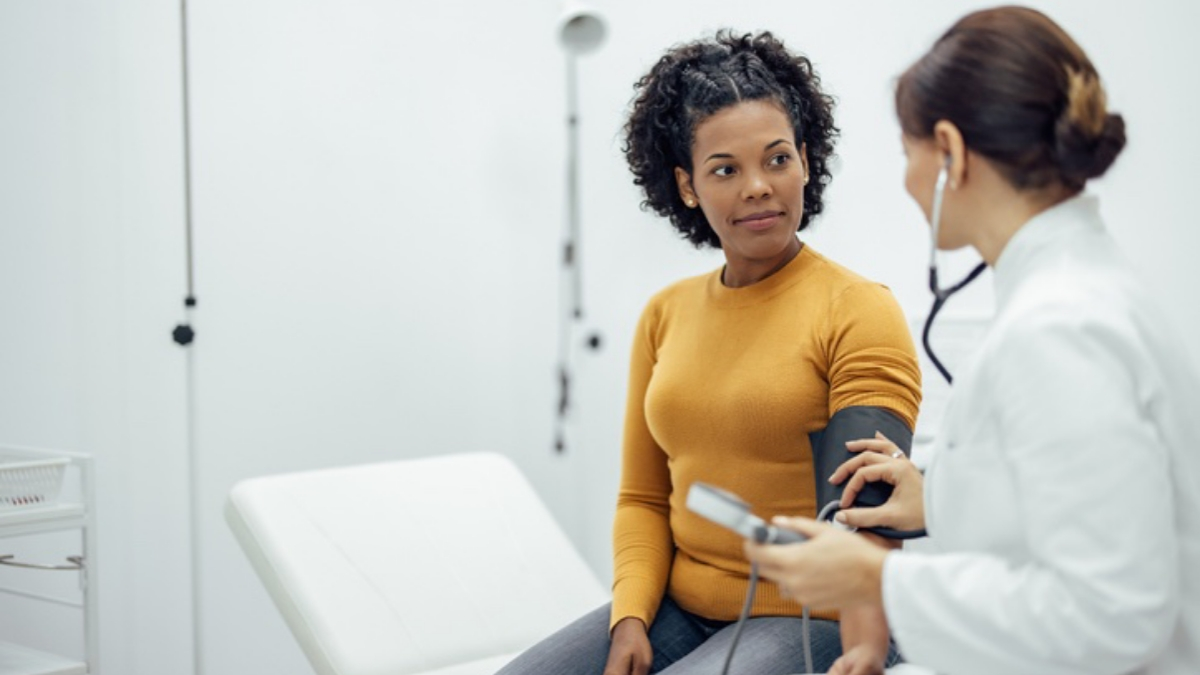
2. Get a Preconception Checkup
Make an appointment with your healthcare provider for a preconception checkup. This is a great time to talk to them about your health, your medical history, and the possibility of any chronic diseases or conditions (such as diabetes, high blood pressure, and others). Your doctor may also advise you on some lifestyle changes, screenings, and vaccinations that you need before pregnancy.
3. Eat a Healthy Diet
Diet plays an important role in fertility and the well-being of your pregnancy. You want to eat a balanced diet that’s full of healthy fruits and vegetables, lean proteins, whole grains, and healthy fats. Avoid processed foods, sugary foods, and alcohol. Include foods high in antioxidants, such as berries, kale, and spinach, which can help with reproductive health.
Related: How Much Water Should A Pregnant Woman Drink?
4. Exercise Regularly
Exercise is another important key to a healthy pregnancy. Exercise helps you maintain a healthy weight, as well as improves circulation and overall fertility. Aim to get at least 30 minutes of moderate activity on most days of the week. Walking, swimming, yoga, and resistance training can all improve stamina and strength, which can also help with stress and hormone regulation.
5. Maintain a Healthy Weight
Being underweight or overweight can have an impact on fertility and the success of your pregnancy. Try to maintain a healthy weight for your BMI (body mass index). This will help with hormonal balance and ovulation. Talk to your doctor or nutritionist if you need help figuring out how to get your weight into a healthy range before trying to conceive.
6. Quit Smoking and Limit Alcohol
Smoking and heavy drinking can both have an adverse effect on fertility and pregnancy, such as reduced fertility, miscarriage, or complications. You should stop smoking as soon as possible. Try to limit alcohol consumption, as binge drinking or even just drinking more than one drink a day can be harmful to your fertility.
Related:15 Foods to Avoid During Pregnancy
7. Track Your Cycle
Tracking your cycle can be a great way to know when your most fertile days are. Use an app or just a calendar to track when your period starts, its duration, and any other symptoms you experience. Tracking your menstrual cycle can help you plan the best time to try for a baby.
8. Get Genetic Testing
If there’s a history of genetic disorders in your family or if you’re over 35, it may be a good idea to consider genetic testing. Genetic screening can test for certain disorders, such as cystic fibrosis, sickle cell anemia, and Down syndrome.
9. Boost Your Immune System
A strong immune system is one of the most important things you can have before getting pregnant. Start by eating a nutritious diet, getting adequate sleep, and managing your stress levels. You can also take a vitamin D supplement if your levels are low.
Related:12 Pregnancy Tips For Normal Delivery
10. Check for Environmental Toxins
Environmental factors like toxic chemicals can have an impact on your overall health and fertility. It’s a good idea to start checking the products you use in your home. Use natural cleaning products, avoid harsh chemicals, and try to limit your exposure to lead, mercury, and pesticides.
11. Check Mental Health Status
Mental health is equally important as physical health when it comes to pregnancy and parenting. If you have a history of anxiety, depression, or other mental health issues, it’s a good idea to talk to a therapist before you begin trying to conceive. Stress management and healthy mental attitudes are important to reduce the risks that can occur during pregnancy.
12. Involve Your Partner in the Preparation
Pregnancy and parenting are team activities. You need to be on the same page with your partner, so have a talk about being ready for a baby, the responsibility it involves, and what each of you needs to change about your lifestyle to prepare for it. This is a great time to make sure your goals and expectations align before you begin trying for a baby.
Related:7 Reasons You Fight with Your Husband After Having a Baby
13. Understand Fertility and Timing
Fertility is a complicated process. Learn about ovulation, sperm lifespan, and the best time to try to conceive. Consider purchasing ovulation predictor kits or taking your basal body temperature to help you figure out when you’re most fertile.
14. Prepare Financially
A baby is a big financial commitment. Start by saving up for pregnancy expenses such as healthcare, prenatal care, baby gear, and maternity leave (if you’re able to take it). Check your health insurance policy to see what coverage it offers and whether prenatal visits and childbirth are included.
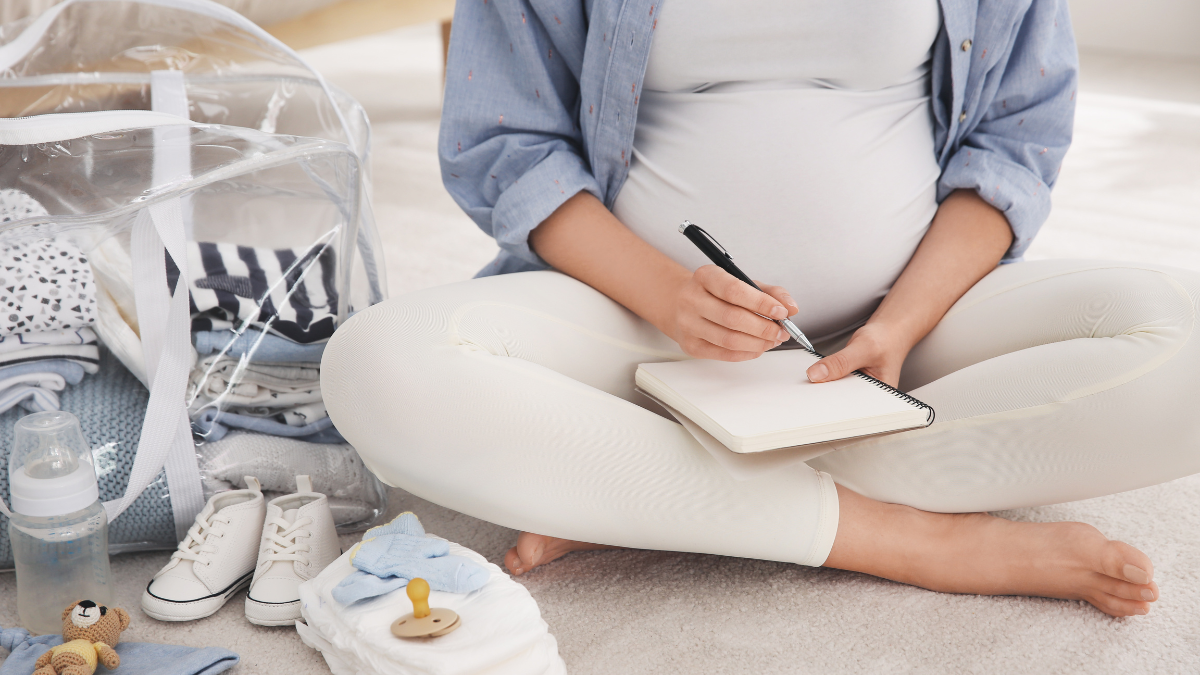
15. Start Making a Birth Plan
You may not know exactly how your birth will go, but it’s never too early to start considering some options. Read up on different labor and delivery methods such as water birth, epidural, and natural childbirth. Consider some important preferences for your birth, such as who you want in the delivery room or what kind of birth environment you prefer.
Related:10 Diaper Bag Essentials Checklist For Newborn
16. Research Pediatricians
It’s never too early to start researching pediatricians for your baby. Research local doctors, read reviews, and contact them to make appointments for consultations and ask questions. Look for a doctor whose philosophy and approach you feel fits with your values and preferences, since you will need pediatrician support for your child for years to come.
17. Consider Your Social Circle
You need to have a good support system around you. If you’re thinking about getting pregnant, make sure that your friends and family understand this goal and can provide you with support when you need it. Surround yourself with positive people who will encourage you and lend a hand. You can also search for parenting or fertility groups to provide you with support and consider finding a mentor or someone you trust who can give you advice.
18. Don’t Forget Teeth
Teeth are often overlooked when talking about pregnancy, but they’re a crucial aspect of overall health. Gum disease and poor oral health have been associated with an increased risk for complications such as preterm birth and low birth weight. Get your teeth cleaned and schedule checkups with your dentist before getting pregnant. During pregnancy, make sure to continue to take care of your oral hygiene.
19. Prepare Your Home
The arrival of a new baby means many changes in your home, some of which will start with the pregnancy itself. Begin making changes in your home in preparation for a baby. This could include deep cleaning, decluttering, setting up a nursery, or starting to pack away items you no longer need.
20. Get Rest
Rest is another important part of preparing for pregnancy. Sleep is important for balancing your hormones and supporting general health. Try to get at least 7-9 hours of sleep each night and maintain a consistent sleep schedule. If you’re not getting enough sleep, this can also impact your fertility and make it more difficult to conceive.
Final Thoughts
Preparing for pregnancy is an important step, and it involves much more than just trying to conceive a child. It’s also about preparing yourself, your home, and your life for a smooth pregnancy and childbirth.
Focusing on health and well-being (both physical and mental), finances, and lifestyle will help you prepare for pregnancy. However, every person is different, so take your time and make changes that work for you and your life circumstances. When the time comes, you’ll be as prepared as possible for the adventure ahead.

- 10 DIY Sensory Play Activities for Toddlers - March 12, 2026
- 12 Family Organization Systems for Busy Moms - March 12, 2026
- How to Change a Diaper: A Step by Step Guide - March 11, 2026