 Ngozi Kalu
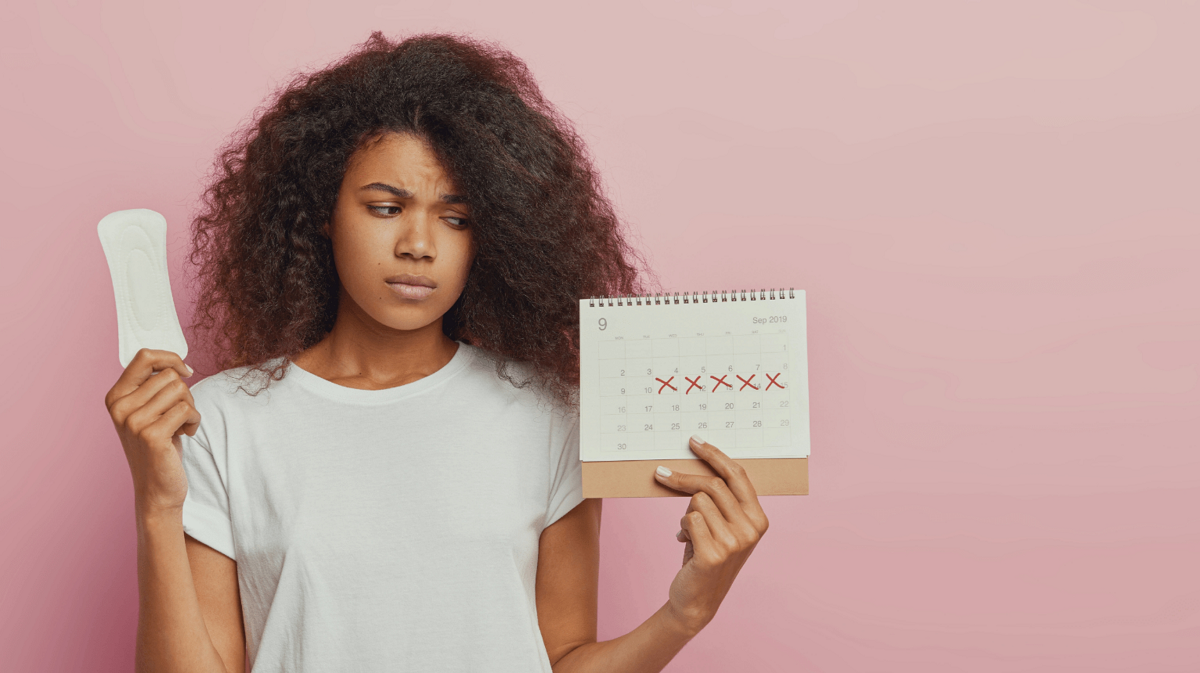
For many women, the time leading up to their period is one that they dread. It can be difficult to pinpoint the exact moment when your period is coming, as every woman’s body is different and may show different symptoms.
However, there are a few telltale signs that your period is likely to arrive in the next day or two. These include changes in your mood, bloating, abdominal pain or cramps, changes in appetite or energy levels, headaches or migraines, and increased acne or pimples on the face or body. If you start to experience these symptoms, it is likely that your period is just around the corner.

9 Signs Your Period Is Coming Tomorrow
1. Mood Swings
One of the earliest signs that your period is about to start is a shift in mood. This can include feeling irritable, emotional, or just generally not like yourself. Many women experience mood swings before their period due to hormonal changes in the body.
Hormones such as estrogen and progesterone rise and fall during the menstrual cycle, causing chemical changes in the brain that can lead to mood swings. This is why it is important to be aware of these shifts in emotion so you can better manage them.
If you find yourself becoming increasingly cranky or down, take a few deep breaths and try to relax. You might also consider activities that help reduce stress, like yoga, meditation, or journaling.
Related: 7 Reasons You Fight with Your Husband After Having a Baby
2. Bloating
Another early sign of menstruation is bloating. This can manifest as feeling overly full or puffy in the stomach area due to water retention in the body. Bloating typically occurs as a result of estrogen levels spiking right before your period starts and can also cause abdominal cramps.
If you notice yourself starting to feel bloated, there are some steps you can take to help reduce the discomfort. Try drinking plenty of water throughout the day, avoiding salty foods, eating smaller meals more often instead of three large ones, exercising regularly, and incorporating probiotic-rich foods into your diet (like yogurt or kimchi).
3. Cramps or Lower Back Pain
When you feel cramps or lower back pain, it’s a common sign that your period is coming soon. This is because the uterus contracts to shed its lining during menstruation, which can cause abdominal discomfort or pain in some women.
Cramps typically start off as a dull ache and gradually become more intense as your period approaches. In addition to cramps, some women may also experience back pain associated with their period. This happens due to the increased production of prostaglandins, which are hormones that signal contractions in the uterus.
You can take steps like resting more often, taking a warm bath, using a heating pad on your abdomen or lower back, or taking over-the-counter pain relief medication if necessary.
Related: Positive Pregnancy Test but No Symptoms: 7 Reasons
4. Spotting or Discharge Changes
As your period approaches, you may experience spotting or changes in your discharge. Spotting refers to small amounts of blood that may appear from your vagina in the days leading up to your period. This happens because the uterine lining is beginning to shed, which can cause light spotting that usually stops when your period officially starts.
In addition to spotting, many women also notice changes in their vaginal discharge as their period approaches. The consistency and amount of this discharge can vary from person to person but typically becomes thicker and more abundant as you near your period. If you experience either of these symptoms, it’s likely that your period will arrive soon.
5. Breast Tenderness or Swelling
Breast tenderness or swelling is another common sign that your period is about to arrive. This occurs when the hormones estrogen and progesterone increase in the body right before menstruation starts, causing the tissues in your breasts to become more sensitive than usual. In some cases, you may even notice slight swelling in one or both of your breasts.
If this happens to you, there are several steps you can take to make yourself more comfortable, such as wearing supportive bras, taking over-the-counter pain relief medications, avoiding caffeine, and resting when possible.
Related: Healthy and Firm Breasts: 11 Things Women Should Totally Avoid
6. Fatigue or Trouble Sleeping
Fatigue or trouble sleeping is another common sign that your period is coming soon. This happens because the hormone progesterone drops sharply right before menstruation begins, which can lead to feelings of exhaustion or difficulty sleeping at night. You might find yourself sleeping more than usual during this time or having trouble staying asleep throughout the night.
If you’re feeling fatigued due to your upcoming period, there are steps you can take to help yourself feel more energized, such as getting plenty of restful sleep each night, exercising regularly, avoiding caffeine during the day, and eating a healthy diet with an emphasis on complex carbohydrates for sustained energy throughout the day.
7. Headaches or Migraines
Headaches or migraines are yet another common sign that your period is on the way. This can be caused by both an increase in estrogen levels and a drop in progesterone levels, which together put pressure on certain areas of the brain, leading to headaches and migraines. Additionally, stress levels often rise in the days leading up to menstruation, which can also contribute to these types of headaches.
If you experience either of these symptoms, there are several steps you can take to alleviate the discomfort, such as taking over-the-counter pain relief medications, resting when possible, and avoiding any potential triggers like bright lights or loud noises.
Related: 5 Ways to Be an Organized Mom
8. Changes in Appetite or Cravings
Changes in appetite or cravings can also be a sign that your period is coming soon. This happens due to both an increase in estrogen levels and a decrease in progesterone levels, which together cause chemical changes in the brain that can lead to hunger pangs or cravings for certain foods. You might find yourself feeling hungrier than usual during this time or even developing cravings for salty snacks, sweets, and fried foods.
If this happens to you, there are some steps you can take to help control your appetite, such as eating smaller meals more often throughout the day instead of three large ones, avoiding processed foods whenever possible, staying hydrated by drinking plenty of water each day, exercising regularly, and getting enough restful sleep each night.
9. Increased Acne or Skin Changes
Acne breakouts or skin changes are another common sign that your period is about to arrive. This happens because both estrogen and progesterone hormones increase in the days leading up to menstruation, which can lead to an increase in oil production on the skin, resulting in pimples or other types of breakouts.
If you experience any of these symptoms, it’s likely that your period will arrive soon. There are several steps you can take to help prevent acne breakouts, such as washing your face twice daily with a gentle cleanser and avoiding touching or picking at existing pimples. Additionally, eating a healthy diet rich in antioxidants from fruits and vegetables can also help keep your skin clear during this time.
How to Cope
The nine symptoms above are all common signs that your period is on the way. If you experience any of these, it’s likely that your period will arrive soon. However, there are steps you can take to help yourself feel more comfortable during this time, such as:
-
Wearing supportive bras
-
Taking over-the-counter pain relief medications
-
Avoiding caffeine
-
Resting when possible
-
Eating a healthy diet with an emphasis on complex carbohydrates for sustained energy throughout the day
-
Getting plenty of restful sleep each night
-
Exercising regularly
-
Drinking plenty of water each day
-
Washing your face twice daily with a gentle cleanser and avoiding touching or picking at existing pimples
Conclusion
Recognizing the signs that your period is on the way can help you better prepare for what is to come. Symptoms such as mood swings, cramps, bloating, and increased acne or pimples on the skin are all common signs of menstruation, and they usually start within the next day or two.
Paying attention to these changes in your body will help you manage any discomfort and give you a heads-up for when to expect your period next. With this knowledge in hand, the next time you start experiencing these signs, you’ll know that your period is probably just around the corner!
Save the pin for later

- 8 Noticeable Symptoms of a Baby Boy During Pregnancy - November 8, 2025
- 10 Little Things You Should Not Do To Your Breasts - November 6, 2025
- 20 Things A C-Section Mom Should Avoid - November 5, 2025