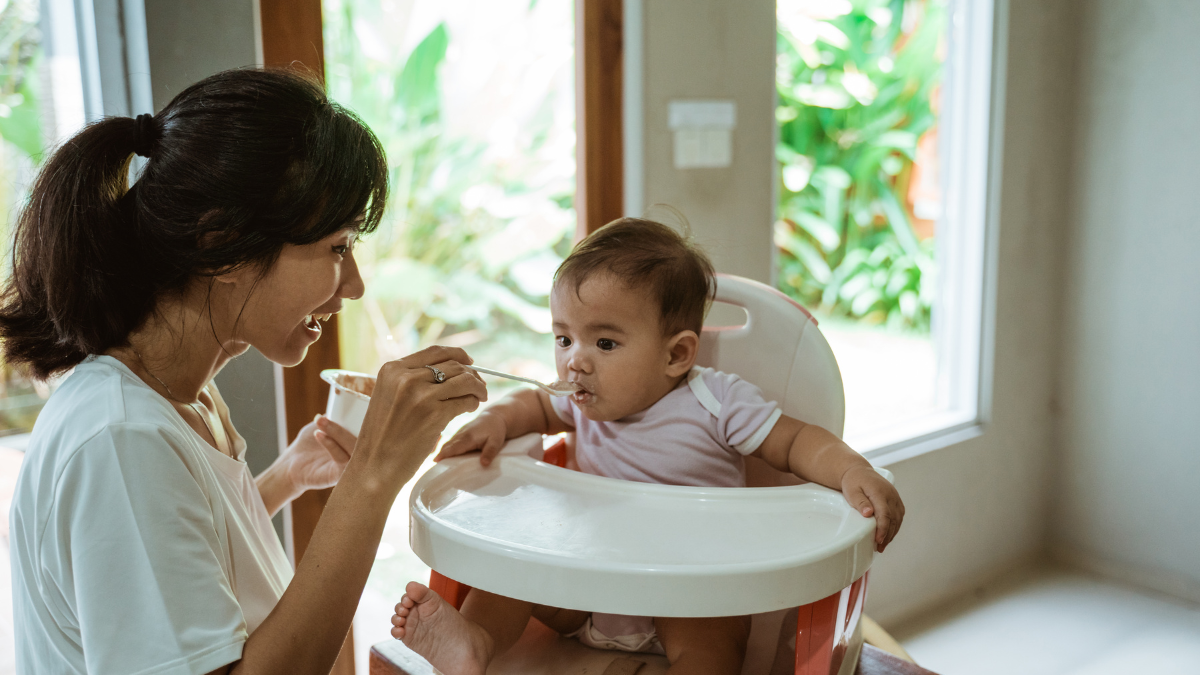
Mom with Vibe Team
As you all know, as a parent, nap time is precious to you and your babies. It provides a necessary respite and enables young ones to regain their vigor.
Nevertheless, at some time, your baby will begin to exhibit an interest in the quantity of sleep they are taking during the day. As a parent, it can be a challenge to deal with this transition.
Does your baby want to say goodbye to the nap? What is the best way to know they have outgrown their desire to rest in the afternoon?
This post will discuss the five indicators that signify that your infant might be wanting to quit napping.
We will also give valuable tips on how you can cope with this transition in a way that your baby can still receive adequate rest in order to grow and develop.

Signs Your Baby Is Ready To Stop Napping
1. Your Baby Keeps Rejecting Their Nap
An insistent refusal to nap is one of the most apparent indications that your baby will soon be ready to drop their naps.
Should your baby begin crying during a nap period, despite them being easy to settle in the past, then you may want to consider that a sign their body does not need the nap anymore to remain alert and cheerful throughout the day.
When your little one is squirming, crying, or playing other than napping, it could also mean that this kid is no longer exhausted enough to take a midday snooze.
Although initial resistance to napping is expected, particularly when they grow to toddlerhood, the repeated denial to sleep long enough may be a signal that their bodies have matured enough to forego it.
Related: 12 Amazing Baby Shower Brunch Food Ideas
2. You Have a Baby Who Sleeps Well at Night
Sleeping becomes very important when healthier babies are still young and will use sleep as a source of restoring their sleep during the day.
But as they continue to develop and the sleep cycle becomes more mature, they can begin to sleep through the night without the need to play catch up during the day. In case your baby is in a position to sleep throughout the night and get a good 10-12 number of hours of sleep without having to wake up every now and then, this may depict a trend where your baby is simply adapting to the fact that he is getting longer sleeping hours and he no longer needs to sleep during the day.
This transition normally takes place after your baby reaches 2-3 years of age. When they sleep well at night and appear energized in the mornings, they could be willing to give up naps or only occasional napping.
Related; How to Help Your Baby Sleep Better
3. Your Baby Takes a Shorter Than Usual Nap in the Afternoon
You might also see that your baby takes shorter or less restful naps in the afternoon, which is another sign that it is the beginning of your baby dropping their nap.
Babies who previously took a couple of hours naps can unexpectedly start having much shorter naps or no naps at all, and this may mean they have outgrown naps. Their body possibly does not require the sleep during the day, and they are naturally shifting to new hours to sleep.
As soon as the sleeping portion of the day is diminishing in length, and still, your baby succeeds in getting through the remainder of the day without being unusually cross or sleepy, you had better cut down the sleep periods or drop the naps altogether.
Related: How to Make Your Baby Fart
4. Your Baby Becomes More Alert and Active in the Day
Eventually, your baby will get restless and want to move more as they grow and develop. They might begin to be active, social, and involved during the day. When your baby regularly experiences a surge of energy in the afternoon, and when they appear to be ready to crawl around, play, or interact with people, there is a possibility that they do not require the nap to revive them.
When the activity level increases, along with good night sleep, it is generally an indicator that your baby is growing and no longer needs the mid-day sleep. They do not get fatigued by mid-afternoon; instead, they are prepared to continue their day without distractions.
Related: 7 Things to Do When Your Baby Is Teething
5. Your Infant Is Not Fussy or Under Tired Without a Nap
In most cases, by the time babies are willing to forego their napping sessions, they will no longer develop any significant symptoms of overtiredness when they miss their afternoon naps.
When your baby can manage to get through the day without becoming too cranky, fussy, or overtired when evening arrives, this is a sure sign that their body has naturally adjusted to the new sleep schedule.
They can also stay cheerful and inquisitive until late in the afternoon or evening, so you do not need to make them take their usual nap and can miss it altogether without spoiling their mood or affecting their sleep at night.
Related: How to Help Your Baby Turn Head Down
Transitioning from Napping to No Napping Tips
When your baby began to display these signs, you can do the following to facilitate the transition:
1. Bedtime Adjustment
Your baby should be able to stay up later at night as she is no longer sleeping during the day. You may have to set their bedtime slightly earlier so they can have adequate sleep at night.
2. Reduce Nap Length Over Time
In case you are not certain about getting rid of the nap altogether, you can reduce cuts in length over time. The gradual decrease of nap time can assist your baby with the change and provide them time to adapt to the longer awake time.
3. Have a Quiet Time
Your baby may still need a little downtime during the day but not a do-nothing nap, in which case a quiet time can be put in place.
These can involve quiet activities such as reading books, relaxing, or playing in their crib or room to allow them some time off without them feeling like they have to sleep.
4. Follow Your Baby
Each child is unique, and the switch between naps and no naps might be gradual. Be on the lookout for signs of fatigue or overstimulation, and change your schedule to accommodate those needs.
FAQs
Q1: How do I know my baby is actually ready to quit naps?
A: You can check with the number of consistent refusals to take naps, sleeping well at night with no waking up after bedtime, and your baby is not demonstrating exhaustion during the daytime. If these signs are present, then they are ready to stop naps. But each child is an individual, and you should follow your intuition and observe how your baby acts.
Q2: At what age do infants cease to nap?
A: Most children cease to nap between the ages of 3 to 5 years. However, there are children who will quit earlier, maybe around 2.5 years old, and some may continue napping until 4 years old. It depends on the child’s individual needs and development.
Q3: Can I ditch naps when my baby looks good without them?
A: Yes, depending on whether your baby is not acting tired or fussy without their nap, and is still able to sleep well at night, it is generally safe to stop naps. It is important to ensure they still get a period of quiet time during the day, and monitor their overall well-being.
Q4: What can I do to help a baby move on just in case they are fighting naps?
A: Begin by gradually reducing nap duration and ensuring that bedtime is set earlier if necessary. You can even introduce quiet time activities so that your child still gets a chance to rest, even if they no longer take a full nap.
Q5: Will my baby be sleeping at night upon eliminating naps?
A: Some children actually sleep better at night when they stop napping. Nonetheless, each child is unique; hence, the quality of their sleep should be monitored. If your baby starts dropping naps and appears unhappy at night, you may need to review their daytime sleep schedule.
It can transform your daily routine by telling you when your baby is ready to quit taking naps. Through monitoring the signs and making small adjustments, you can ensure your baby receives adequate sleep to support their growth and development. All babies are different, so have faith in yourself and give it time!
Save the pin for later


- 10 DIY Sensory Play Activities for Toddlers - March 12, 2026
- 12 Family Organization Systems for Busy Moms - March 12, 2026
- How to Change a Diaper: A Step by Step Guide - March 11, 2026