 Mom with Vibe Team
Pregnancy transforms our lives: the rhythms of the day, daily routines, and even how we sleep at night.
By the time the second trimester begins, it is not unusual for your normal sleeping positions to feel tight or compressed.
Hormones, body shape, and rest needs are changing dramatically. But it can be hard to know which sleeping positions are healthy and comfortable for both mother and baby.
Let’s look at what’s safe in the second trimester, and how to sleep better.
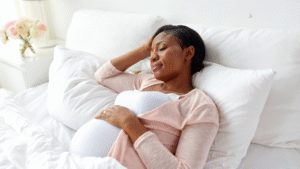
Why Sleep in the Second Trimester Is Important
Weeks 13 through 27 make up the “golden period” of pregnancy for most women. Nausea and exhaustion begin to ease, appetite returns, and energy levels increase.
In this second trimester, many pregnant mothers are still adjusting their sleep habits to the changes in their bodies.
During the second trimester, the body is working overtime to ensure proper nutrition and oxygenation for the baby.
Blood volume increases, the uterus enlarges, and hormone fluctuations can affect everything from muscle tone to circulation.
Getting good sleep is crucial for healthy fetal development, stabilizing mood, supporting a strong immune system, and helping the mother build reserves of energy for the months ahead.
Sleeping safely and restfully is a practical step in balancing both comfort and health.
Related: How Much Water Should A Pregnant Woman Drink?
Safe Sleeping Position in the Second Trimester
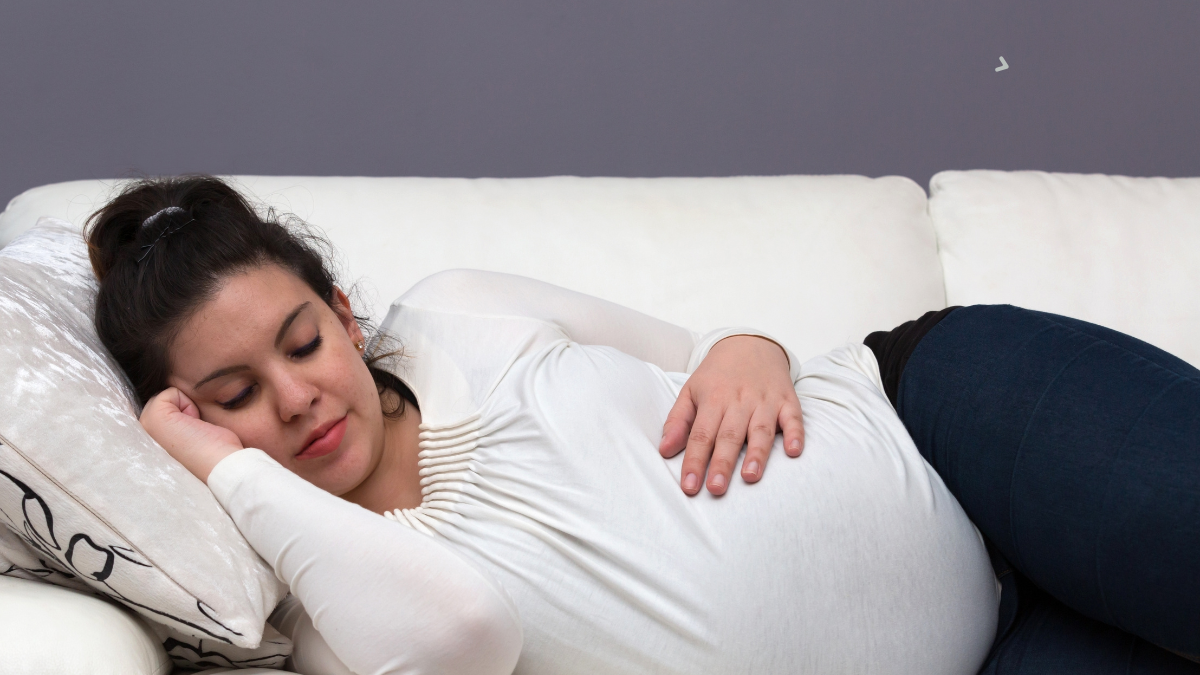
Doctors and sleep scientists agree that side sleeping is the best position during pregnancy, particularly as the belly becomes larger. While some women may already favor this position, for others it can take adjustment.
Advantages of Side Sleeping
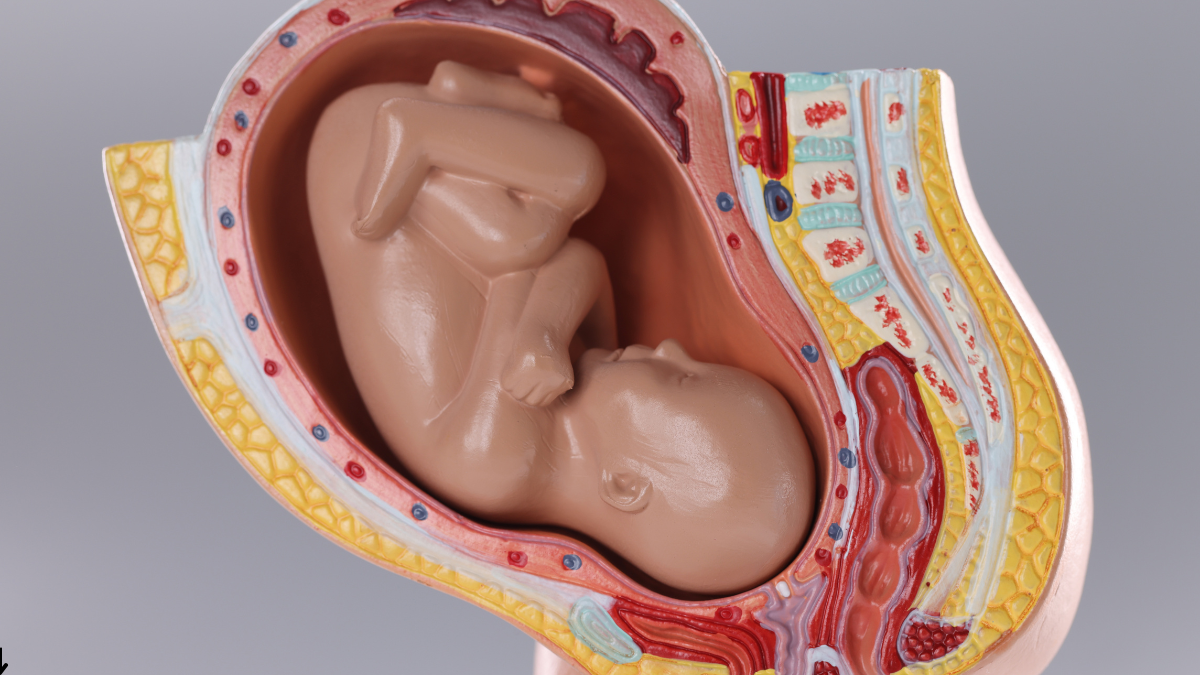
As the uterus expands, side sleeping alleviates pressure on the inferior vena cava, the large vein that returns deoxygenated blood from the lower body to the heart.
This improves circulation for both mother and baby, prevents dizziness and faintness, and decreases the risk of swelling in the legs and feet. Side sleeping also allows more blood flow to the placenta, ensuring more oxygen and nutrients reach the baby.
Related: 10 Types of Housework Pregnant Women Should Avoid
Left Side vs. Right Side
For years people have wondered whether the left or right side is better for sleep during pregnancy.
Left Side Sleeping
Sleeping on the left is often advised because it may allow better blood flow to the uterus and kidneys and less pressure on the liver. Many pregnant women find it helps prevent swelling in the ankles and feet. It may also ease backaches.
Right Side Sleeping
Sleeping on the right side during pregnancy is also considered safe. Many women alternate sides throughout the night for comfort, and that is fine. The key is to minimize time spent lying flat on your back.
Alternating left and right is normal, but leaning toward the left may be slightly more advantageous for circulation.
Related: 15 Foods to Avoid During Pregnancy
Sleeping Positions to Avoid During Pregnancy
In the second trimester, a few positions become less safe.
1. Flat on the Back
In early pregnancy, there are no issues with sleeping on your back. But as the uterus becomes heavier in the second trimester, it can compress the inferior vena cava. This slows blood circulation, which can cause dizziness, aching in the lower back and pelvis, lower blood pressure, and may even limit circulation to the baby.
2. On the Stomach
Lying face down becomes increasingly uncomfortable as the abdomen expands. In addition, stomach sleeping can compress the uterus and strain the neck and spine.
If you wake up on your back or stomach, don’t stress. Just roll over onto your side again. This can happen naturally as the body moves during sleep. The occasional change of position is not a problem.
Related: 10 Diaper Bag Essentials Checklist For Newborn
Tips for Comfortable Side Sleeping
Sleeping on your side may feel unfamiliar if it is not your normal position. The following tips can help:
1. Supportive Pillows
A pillow between the knees or legs can help align the hips and relieve tension in the lower back. A pillow under the belly provides support for the growing abdomen, while a small pillow behind the back can help prevent rolling onto your back during sleep.
2. Pregnancy Pillow
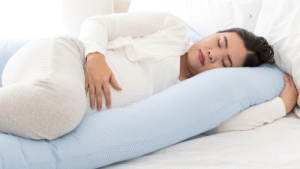
U-shaped or C-shaped pregnancy pillows cradle the body, supporting the head, abdomen, back, and legs all at once. Many women find they improve sleep in the second and third trimesters.
3. Raise Upper Body
If heartburn or shortness of breath is a concern, additional pillows that elevate the head and chest slightly can provide relief. Sleeping on the side with the upper body slightly elevated may help.
4. Bedtime Routine
Establishing a bedtime routine by going to sleep at a similar time every night and reducing light and screen use in the evening can help the body relax. Combined with a comfortable side-sleeping position, these practices help ensure rest.
Sleep Problems in the Second Trimester
Expectant mothers commonly face sleep challenges during pregnancy. The following are safe solutions to some common problems in the second trimester.
1. Backache
Help with alignment from pillows, gentle prenatal yoga, and other low-impact stretching before bed can ease discomfort.
2. Leg Cramps
Drinking plenty of fluids during the day and gently stretching the calves before bed can help prevent nighttime leg cramps. Magnesium-rich foods are also thought by some to be helpful.
3. Heartburn
Avoid lying down right after a meal. Keeping the head and chest elevated with pillows and sleeping on the left side may improve acid reflux.
4. Frequent Urination
Try to avoid excess fluids just before bed, but remain well hydrated throughout the day. Daytime naps can also make up for interrupted nighttime sleep.
When to See a Doctor
Safe sleeping positions are beneficial to most pregnant women, but contact a doctor if you experience:
-
Persistent dizziness or shortness of breath when lying down
-
Severe back or hip pain during the night
-
Frequent awakening due to heart palpitations
-
Sudden swelling in the hands, feet, or face
These symptoms could indicate a condition that requires treatment. A doctor or midwife may also give individualized advice on safe sleeping positions according to your particular health situation.
The Emotional Aspects of Sleep
Restful sleep is also critical for expectant mothers’ emotional health. Pregnancy can lead to anxiety, vivid dreams, or frequent waking due to worry.
Safe sleeping positions allow mothers to rest easier, with fewer physical concerns. Partners can help with pillow adjustments, massages, or simply encouraging rest and sleep routines.
Good sleep nourishes both body and spirit, giving pregnant women the energy and calm to face each day.
Key Takeaways
-
Sleeping on the side, especially the left side, is the best sleeping position in the second trimester.
-
Try to avoid sleeping flat on your back or on your stomach.
-
Experiment with pillows for support, adjust the upper body if necessary, and create a sleep routine.
-
Manage common sleep problems by staying hydrated, stretching, and making gentle adjustments.
-
Midwives in different cultures have long known that simple supports can help pregnant women sleep as well as modern products.
Final Thoughts
Finding safe sleeping positions in the second trimester is a balance: supporting comfort, ensuring circulation, and giving the mother a sense of safety.
Sleeping on the left side is most recommended, but switching sides is natural and fine. Pillows, routines, and a calm mindset will allow for easier sleep, even as the body feels strange.
Each pregnancy is unique, but restful sleep is possible. By paying attention to safe sleeping positions and making small adjustments, mothers can take care of themselves and their developing baby, night by night.
Save the pin for later


- 10 DIY Sensory Play Activities for Toddlers - March 12, 2026
- 12 Family Organization Systems for Busy Moms - March 12, 2026
- How to Change a Diaper: A Step by Step Guide - March 11, 2026