
 Ngozi Kalu
Pregnancy is a time of joy, anticipation, and sometimes challenges. One of these challenges is cervical insufficiency, a condition in which the cervix opens too early, increasing the risk of miscarriage or preterm birth.
One treatment for this condition is cervical cerclage, a procedure in which stitches are placed in the cervix to help keep it closed.
While cervical cerclage can be a life-saving procedure for both mother and baby, no medical procedure is entirely risk-free.

What Is Cervical Cerclage?
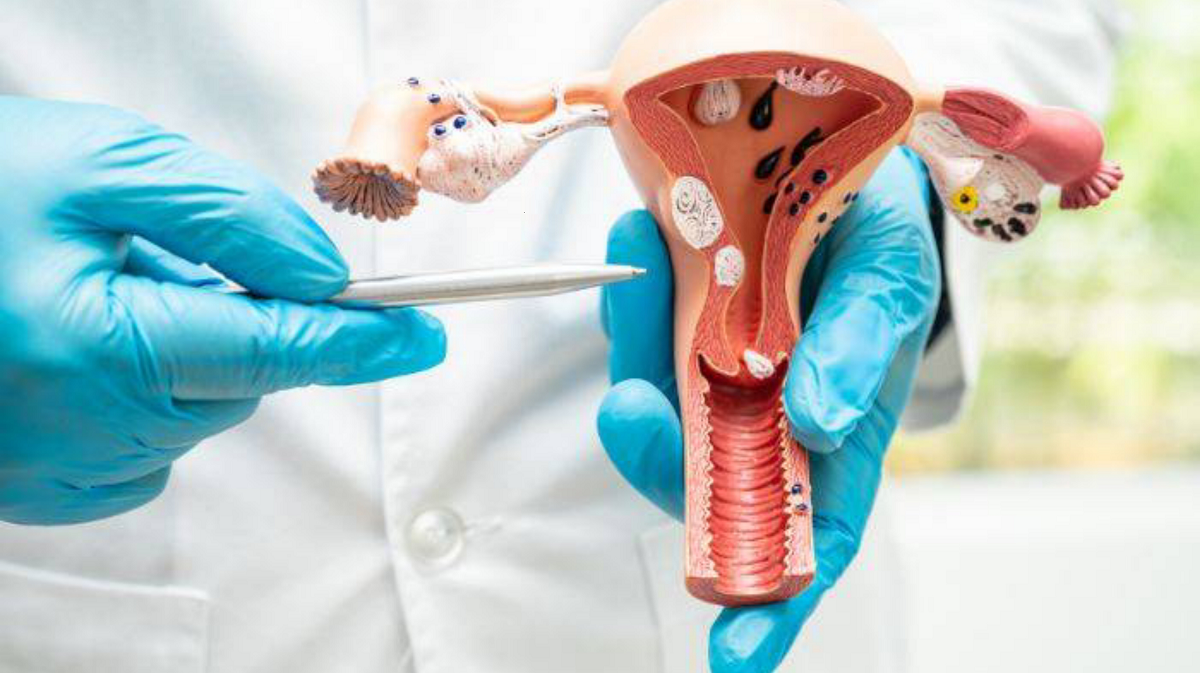
Cervical cerclage is a surgical procedure in which a suture (stitch) is placed around the cervix to reinforce it and prevent premature dilation. It is typically recommended for women with a history of:
-
Cervical insufficiency (when the cervix is weak and opens too early during pregnancy)
-
Recurrent second-trimester miscarriages related to cervical issues
-
Evidence of cervical shortening or funneling on ultrasound
Cerclage is usually performed between 12 and 24 weeks of pregnancy, depending on the woman’s medical history and cervical condition.
Related: What Is Food Cravings During Pregnancy?
Common Risks of Cervical Cerclage
Like any procedure, cervical cerclage carries risks. Some are mild and manageable, while others can be more serious. The most common include:
1. Cramping, Mild Pain, or Pelvic Discomfort
It is common to experience cramping, mild pain, or pelvic discomfort after the procedure. This usually subsides within a few days and feels similar to menstrual cramps.
-
Why it happens: Irritation of the cervix and surrounding tissues during surgery.
-
What helps: Rest, hydration, and pain medications recommended by your doctor.
2. Light Vaginal Bleeding or Spotting
Light spotting or bleeding is expected after the stitches are placed. Heavy bleeding, however, should be reported to a doctor immediately.
-
Why it happens: Small blood vessels may be irritated or damaged during the procedure.
-
What helps: Wear a pad and monitor the flow. If bleeding increases or lasts longer than a few days, seek medical attention.
Related: 15 Foods to Avoid During Pregnancy
3. Infection (Chorioamnionitis or Cervicitis)
Infection of the cervix, uterus, or amniotic sac can occur and may be harmful to both mother and baby.
-
Why it happens: The presence of stitches can allow bacteria to enter and grow.
-
Warning signs: Fever, foul-smelling discharge, abdominal pain, or chills.
-
What helps: Strict hygiene, antibiotics if prescribed, and close follow-up with your healthcare provider.
4. Preterm Labor or Contractions
Stitch placement may occasionally trigger uterine contractions or early labor.
-
Why it happens: Manipulation of the cervix can stimulate uterine activity.
-
Warning signs: Regular contractions, back pain, or pelvic pressure.
-
What helps: Your doctor may prescribe medication to stop contractions and recommend bed rest or reduced physical activity.
5. Premature Rupture of Membranes (PROM)
PROM occurs when the amniotic sac ruptures earlier than expected, causing fluid leakage.
-
Why it happens: Manipulation of the cervix may weaken or puncture the membranes.
-
Warning signs: A sudden gush or continuous trickle of clear fluid from the vagina.
-
What helps: PROM is a medical emergency requiring immediate attention, as it raises the risk of infection and preterm delivery.
Related: 15 Fun Ways to Exercise with Baby, Post-Pregnancy
6. Cervical Injury or Laceration
In rare cases, the cervix may be torn during placement or removal of stitches, especially if labor starts before removal.
-
Why it happens: Stitches may tear the cervix if contractions begin too soon.
-
What helps: Careful monitoring and timely removal of stitches around 36–37 weeks, unless labor starts earlier.
7. Cervical Scarring or Stenosis
Some women may develop scarring, which can affect cervical dilation in future pregnancies or labor.
-
Why it happens: Healing tissue changes after surgery.
-
What helps: Careful stitch removal and monitoring in future pregnancies.
8. Failure of the Cerclage
In some cases, the cervix may continue to shorten or dilate despite the stitches.
-
Why it happens: Severe cervical weakness, infection, or underlying conditions.
-
What helps: Bed rest, medications, or additional interventions. Early delivery may sometimes be necessary.
Related: Crying During Pregnancy: This Is How It Affects the Baby
Rare Risks of Cervical Cerclage
Though uncommon, these risks are possible:
-
Damage to nearby organs such as the bladder or uterus
-
Excessive bleeding during or after the procedure
-
Premature birth despite the intervention
-
Allergic reactions to anesthesia
-
Hemorrhaging during delivery
-
Miscarriage despite cerclage placement
-
Emotional trauma linked to the procedure
-
Need for early stitch removal or further medical procedures
-
In very rare cases, maternal or infant death due to complications
Related: Safe Sleeping Positions During the Second Trimester of Pregnancy
Post-Operative Emotions
The physical effects of cervical cerclage are significant, but the emotional impact should not be overlooked. Some women experience sadness, anxiety, guilt, or frustration. For those with a history of miscarriage, the procedure may stir difficult memories.
A 2005 study found that women who had cervical cerclage reported lower emotional well-being and quality of life during pregnancy compared to other pregnant women. Some expressed feelings of anger, loneliness, or loss of faith. Emotional distress, if unaddressed, can affect overall health.
What helps: Seeking support from friends, family, healthcare providers, or mental health professionals can make a significant difference. Finding healthy ways to express emotions and receiving reassurance can help mothers cope with both the physical and emotional challenges.
Conclusion
Cervical cerclage is a valuable option for women at risk of miscarriage or preterm birth due to cervical insufficiency.
However, it does carry risks, ranging from mild discomfort to rare but serious complications. Being aware of these risks, following medical advice, and seeking both physical and emotional support can help mothers navigate the process with more confidence and safety.
Save the pin for later


- 8 Noticeable Symptoms of a Baby Boy During Pregnancy - November 8, 2025
- 10 Little Things You Should Not Do To Your Breasts - November 6, 2025
- 20 Things A C-Section Mom Should Avoid - November 5, 2025