 Mom with Vibe Team
Did you know that women commonly experience some of the same symptoms during the days leading up to their period and early pregnancy? In fact, the early symptoms of pregnancy and those of PMS (premenstrual syndrome) are very similar to one another.
This leaves many women wondering if what they’re experiencing is PMS or pregnancy, particularly if they’re actively trying to conceive.
While some PMS and pregnancy symptoms are almost identical, there are some distinct differences between the two.
In today’s post, we’ll compare PMS and pregnancy symptoms to help you learn how to tell the difference. Plus, we’ll also cover what you can expect with both PMS and pregnancy symptoms!

What is PMS?
PMS, or premenstrual syndrome, refers to a group of symptoms related to menstruation that occur during the luteal phase of the menstrual cycle, which is typically around two weeks before your period.
For some women, PMS may involve mild, irregular symptoms; but for others, it may be more serious and impact day-to-day life.
PMS is most often related to changes in the second half of the menstrual cycle (following ovulation) in the levels of the female reproductive hormones, estrogen and progesterone.
What is Early Pregnancy?
Early pregnancy refers to the first 13 weeks of pregnancy, from conception (when the egg implants in the uterus) to the end of the first trimester.
During early pregnancy, you will experience several pregnancy symptoms as the fertilized egg develops in your uterus and your body prepares to support the pregnancy.
These changes will affect how you feel, look, and behave throughout your pregnancy.
Common Symptoms of PMS
Before we compare PMS and early pregnancy symptoms, let’s review the most common PMS symptoms.
1. Mood Swings and Irritability
PMS is commonly associated with significant mood changes. This may include increased irritability or heightened emotions during this time.
You may feel more emotional or easily upset, experience feelings of anxiety, or even feel depressed. The hormonal changes in estrogen and progesterone levels during the menstrual cycle can be the cause of these negative emotions.
Related: Crying During Pregnancy: This Is How It Affects the Baby
2. Fatigue
Feeling unusually tired or lethargic is another one of the most common PMS symptoms. This is typically related to hormone changes during this phase of your cycle, as well as your body preparing for menstruation.

3. Bloating and Water Retention
Another common symptom of PMS is bloating and water retention. You may experience more bloating than usual and the feeling of carrying extra water weight.
This may be caused by PMS because these hormones stimulate fluid retention in the body.
4. Breast Tenderness
Symptoms of PMS can also include breast tenderness. Hormone levels in the days leading up to menstruation can cause your breasts to feel swollen, sore, or tender. This makes wearing a bra or even putting pressure on your breasts uncomfortable or painful.
Related:15 Fun Ways to Exercise with Baby, Post-Pregnancy
5. Headaches and Migraines
Some women also experience headaches or migraines as PMS symptoms, which is thought to be related to the same fluctuating hormones that cause a period.
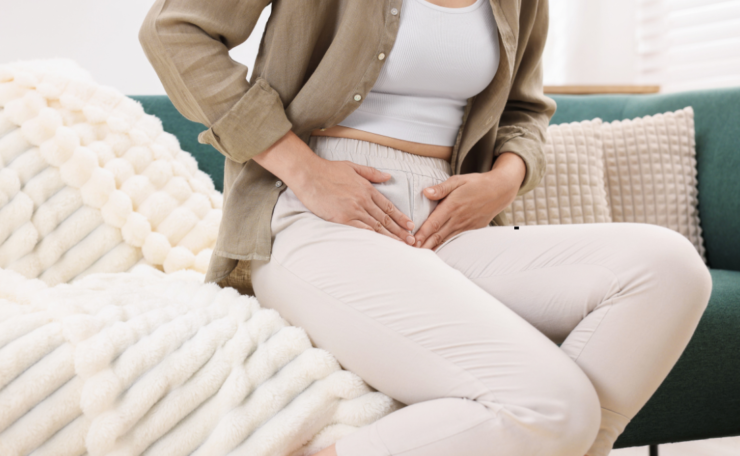
6. Cramps
Cramps in your lower abdomen are another common PMS symptom. Cramps typically occur when the lining of the uterus sheds during menstruation, so this is one of the first pregnancy symptoms you may notice when your period is coming.
7. Food Cravings
Cravings are yet another common sign of PMS. Many women experience an increased appetite, especially for sweet or salty foods during PMS.
Related: What Is Food Cravings During Pregnancy?
8. Acne
Acne breakouts are another PMS symptom many women experience during this time. Hormone changes may cause your skin to produce more oil, which can lead to breakouts.
Common Symptoms of Early Pregnancy
Now, let’s explore some of the most common symptoms of early pregnancy.
1. Missed Period
The first sign of pregnancy is a missed period. This can be determined if you’ve missed your period and are past the expected time for it to arrive.
If you usually have regular periods and your period is late, pregnancy is more likely than PMS.
Note that some women may experience a missed period during pregnancy, while others may not.
Additionally, some pregnant women experience light bleeding during pregnancy, which can sometimes be confused with a period.
Related: Positive Pregnancy Test but No Symptoms: 7 Reasons
2. Morning Sickness
Morning sickness, another pregnancy symptom, is common for most pregnant women.
This typically occurs from roughly 4 to 9 weeks of pregnancy and is characterized by nausea, vomiting, and even food aversions.
Morning sickness is not limited to the morning and may occur at any time of day.

3. Fatigue
Extreme tiredness or fatigue is another common early symptom of pregnancy that most women experience.
Unlike the fatigue you may feel before your period, pregnancy-related fatigue is more severe. Women in early pregnancy describe it as an exhaustion that doesn’t go away, even with rest or sleep.
This fatigue may make it difficult to perform your daily tasks and leave you wanting to sleep constantly.
4. Breast Changes
One of the first signs that you’re pregnant is breast changes. If you’re pregnant, you may notice that your breasts become swollen or feel tender or sore.
These changes are typically due to hormone surges, such as increased estrogen levels. You may also experience darkening of your areolas or prominent veins.
5. Increased Urination
As your levels of the pregnancy hormone hCG increase, you’ll likely notice you’re urinating more frequently than usual, especially at night.
This is due to increased fluid production in the body and the pressure your uterus is exerting on your bladder as your baby grows.
Related: How Much Water Should A Pregnant Woman Drink?
6. Food Cravings/Aversions
A pregnancy symptom similar to PMS is a change in food cravings or aversions.
Food cravings and aversions during pregnancy can be more intense, with cravings becoming stronger and aversions making some women completely avoid certain foods.
7. Mood Swings
Mood swings are another early pregnancy symptom due to hormonal changes during pregnancy.
Many women report feeling happier and more euphoric during pregnancy, while others may experience the emotions of PMS to a more intense degree.
8. Spotting/Light Bleeding
Light spotting or bleeding can also be a common early symptom of pregnancy. This typically occurs around 6 to 12 days after conception, when the fertilized egg implants in your uterus.
This is different from regular periods because implantation bleeding is usually much lighter and shorter than a period.
9. Constipation
Constipation is another early pregnancy symptom caused by a slowdown in the digestive system. This can be due to increased progesterone levels, which may also lead to relaxation of the muscles in your intestines.
Key Differences Between PMS and Pregnancy Symptoms
As you can see, there are some key differences in symptoms between PMS and early pregnancy that can help you determine which one you’re experiencing. They include:
1. Missed Period vs. PMS
Missing a period is one of the clearest and most concrete signs that you might be pregnant. If you typically have regular cycles and your period is late, pregnancy is much more likely than PMS.
However, you can have PMS with irregular periods and no missed periods.
In addition, it’s possible to have a missed period during pregnancy (but not always), as well as spotting or light bleeding during pregnancy that can be mistaken for a period.
2. Morning Sickness vs. Bloating
Morning sickness, which includes nausea and vomiting, is a unique pregnancy symptom. While bloating is a common PMS symptom, it’s not usually associated with the kind of extreme nausea that often accompanies pregnancy.
If nausea is accompanied by other early pregnancy symptoms such as food aversions, you may be dealing with pregnancy rather than PMS.
Related: How To Take Care Of Yourself As A Mom
3. Fatigue and Mood Swings
Fatigue and mood swings can occur in both PMS and pregnancy, but those that accompany pregnancy are generally more intense.
Fatigue from pregnancy is often much more overwhelming, and it usually lingers and doesn’t go away with rest.
Mood swings in pregnancy can also be more severe, causing you to feel euphoric or even excessively emotional. PMS moodiness, on the other hand, usually includes irritability or feelings of sadness or depression that are often less intense.
4. Breast Changes
While PMS and pregnancy can both cause breast tenderness, pregnancy-related breast changes are usually more noticeable.
Breasts may feel fuller or heavier or may seem to hang lower during pregnancy.
Darkening of the areolas can also occur, as well as prominent veins. Breast soreness associated with PMS usually subsides with the start of your period.
Pregnancy-related breast changes, however, either get worse or don’t go away at the start of your period.
5. Spotting
Spotting or light bleeding in early pregnancy can occur when the embryo implants in the uterus.
You’re unlikely to experience implantation bleeding (spotting) with PMS. If you experience light bleeding in the days following ovulation, you may be pregnant rather than experiencing PMS.
When to Take a Test
If you’re still unsure whether the symptoms you’re experiencing are PMS or early pregnancy, take a home pregnancy test for a more accurate answer. The most accurate results will be obtained by testing after your missed period.
However, there are early pregnancy tests on the market that can detect hCG levels before your missed period, so you may be able to test a few days earlier.
Final Thoughts
PMS and early pregnancy symptoms can be similar, but some key differences between pregnancy and PMS symptoms can help you figure out the difference between the two.
Missed periods, morning sickness, and even fatigue are some of the more obvious differences between the two, so they may be some of the best symptoms to look out for.
Of course, if you’re still not sure, you can always take a pregnancy test or ask your doctor for more guidance.
Keep in mind that no two women are the same, and everyone will experience different symptoms.
Remember, too, that you may experience pregnancy and PMS symptoms to varying degrees.
Save the pin for later

- 10 DIY Sensory Play Activities for Toddlers - March 12, 2026
- 12 Family Organization Systems for Busy Moms - March 12, 2026
- How to Change a Diaper: A Step by Step Guide - March 11, 2026