Ngozi Kalu
Pregnancy is an exciting and life-changing experience, and the placenta is a truly remarkable organ that plays a vital role during this time. It’s often referred to as the “life support system” for the growing baby, and for good reason.
As a specialist in maternal health, I am here to shed some light on the functions of the placenta and why it’s so important. I want you to understand the vital contribution the placenta makes during pregnancy and what it means to you as an expectant mother.
Despite its small size, the placenta’s role is vast and complex. In this blog post, we will take a closer look at seven crucial functions of the placenta and how they help keep both mother and baby healthy and happy.
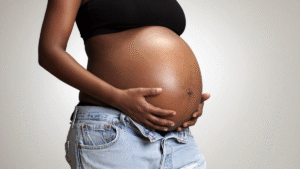
Placenta’s Role in Pregnancy: 7 Key Functions
1. Nutrient and Oxygen Supply
One of the placenta’s most important functions is to provide the baby with nutrients and oxygen that are essential for growth and development. The baby’s circulatory system is not fully functional until later in pregnancy, so the placenta must do the work of transferring nutrients from the mother’s bloodstream to the baby.
The placenta facilitates the transport of oxygen from the mother’s blood vessels to the baby, while allowing for the removal of carbon dioxide and other waste materials from the baby’s bloodstream to the mother. This ensures that the baby has access to the necessary nutrients and oxygen, and that waste products are removed from their system.
Nutrients that the placenta transfers from the mother to the baby include glucose, amino acids, vitamins, and minerals, all of which are required for healthy fetal growth and development. This nutrient transfer occurs through a process known as diffusion, and the rate of diffusion is determined by the concentration gradient between the mother’s and baby’s blood vessels.
Related: Crying During Pregnancy: This Is How It Affects the Baby
2. Hormonal Regulation
The placenta plays a crucial role in regulating hormones during pregnancy. It produces several key hormones that help to maintain pregnancy and support the baby’s growth and development. One of the first hormones that the placenta starts producing after implantation is human chorionic gonadotropin (hCG), which pregnancy tests use to detect pregnancy.
The role of hCG is to ensure that the corpus luteum continues to produce progesterone, which is critical for maintaining the uterine lining and preventing miscarriage during the early stages of pregnancy. The placenta also produces progesterone and estrogen, two other hormones that continue to increase throughout pregnancy.
Progesterone is responsible for relaxing the muscles of the uterus and preventing premature contractions and labor. On the other hand, estrogen plays a role in supporting the baby’s growth and development, including stimulating the growth of uterine blood vessels.
The placenta also produces hormones such as human placental lactogen (hPL) and relaxin, which help to regulate the mother’s metabolism and prepare the body for labor, respectively.
Related:15 Fun Ways to Exercise with Baby, Post-Pregnancy
3. Waste Removal
Another critical function of the placenta is to help remove waste products from the baby’s blood. As the baby’s organs develop and become functional, waste products such as carbon dioxide and urea are generated as byproducts of metabolism.
The placenta filters these waste products from the baby’s bloodstream and returns them to the mother’s bloodstream, where they are eventually eliminated through the kidneys. The placenta acts as a filter to remove waste materials, preventing harmful build-up that could impede the baby’s development.
This waste management function is vital in maintaining a healthy pregnancy and preventing complications such as preeclampsia, which is linked to the inability to filter waste properly.
4. Immune Protection
The placenta also plays a crucial role in providing immune protection for the baby. While the placenta serves as a barrier between the mother and the baby, it also helps to protect the baby from infections and harmful pathogens in the mother’s bloodstream.
The placenta acts as a selective barrier, allowing essential nutrients and oxygen to pass through to the baby while preventing harmful substances from reaching the baby. The placenta also produces immune factors such as immunoglobulins that help to protect the baby in the early stages of life by passing some immunity from the mother to the baby.
The placenta can also selectively allow certain antibodies from the mother to pass through to the baby, providing the baby with passive immunity to specific infections that the mother has been exposed to previously.
This protection is crucial in safeguarding the baby from infections in the first few months of life, when their immune system is still developing.
Related: Safe Sleeping Positions During the Second Trimester of Pregnancy
5. Fluid and Electrolyte Balance
The placenta plays a vital role in maintaining fluid and electrolyte balance between the mother and the baby. The placenta helps to regulate the fluid that surrounds the baby in the amniotic sac, providing an appropriate environment for the baby’s growth and development.
Amniotic fluid is important in cushioning the baby, allowing for movement, and facilitating lung development. The placenta ensures that the amount of fluid is within the right range by facilitating fluid exchange between the baby and the mother.
The placenta also plays a role in regulating electrolyte levels, such as sodium and potassium, in the baby’s body. This is essential for the baby’s development and helps prevent problems such as dehydration or high blood pressure that could lead to complications during pregnancy.
6. Temperature Regulation
The placenta also plays a role in regulating the temperature of the baby. It helps to maintain a stable, constant temperature for the baby, protecting the baby from temperature extremes in the mother’s body.
The placental blood vessels transport blood between the mother and the baby and play a crucial role in regulating the baby’s temperature. The heat generated by the mother’s body is transferred to the placenta, which then maintains a warm environment for the baby. This temperature regulation is vital for the baby’s development, as extreme temperatures (too hot or too cold) can disrupt the normal growth and functioning of vital organs.
Related: What Is Food Cravings During Pregnancy?
7. Bonding and Emotional Connection
One aspect of the placenta’s function that is often overlooked is its role in bonding and emotional connection between mother and baby. Nourishing the baby through the placenta fosters a unique and intimate bond between the two.
The placenta, as the baby’s first life support system, helps the mother connect to her child physically and emotionally, allowing the mother to experience the feeling of nurturing and protecting her child.
Furthermore, childbirth and the subsequent delivery of the placenta can also trigger powerful emotions in the mother, strengthening the bond between mother and child. This is crucial for mothers to establish emotional connections with their babies, which can promote better mental and physical health for both the mother and the child.
Conclusion
In summary, the placenta is truly an incredible organ with a wide range of essential functions that are critical to the health and well-being of both the mother and the baby during pregnancy.
From transporting nutrients and oxygen to the baby to regulating hormones and waste products, the placenta plays a vital role in ensuring a healthy and successful pregnancy.
Save the pin for later

- 8 Noticeable Symptoms of a Baby Boy During Pregnancy - November 8, 2025
- 10 Little Things You Should Not Do To Your Breasts - November 6, 2025
- 20 Things A C-Section Mom Should Avoid - November 5, 2025