
 Mom with Vibe Team
Disclaimer: This is not a medical advice. Ensure to see your doctor.
Pregnancy is a miraculous and exciting journey, full of emotional ups and downs that can leave you restless at times.
As you get closer to your due date, your excitement is likely to grow. At this stage, you are probably counting down the days until you finally get to meet your baby.
However, in the meantime, you may find yourself asking whether or not your little one is truly ready to come out. After all, each pregnancy is different, and every woman has different symptoms of labor.
If you’re starting to have doubts, take a look at the following seven physical signs that your baby isn’t quite ready to come out just yet.

7 Physical Signs Your Baby Still Isn’t Ready to Come Out
1. No Cervical Dilation
If there’s one strong sign that your baby isn’t quite ready to come out, it’s the fact that your cervix is not dilating.
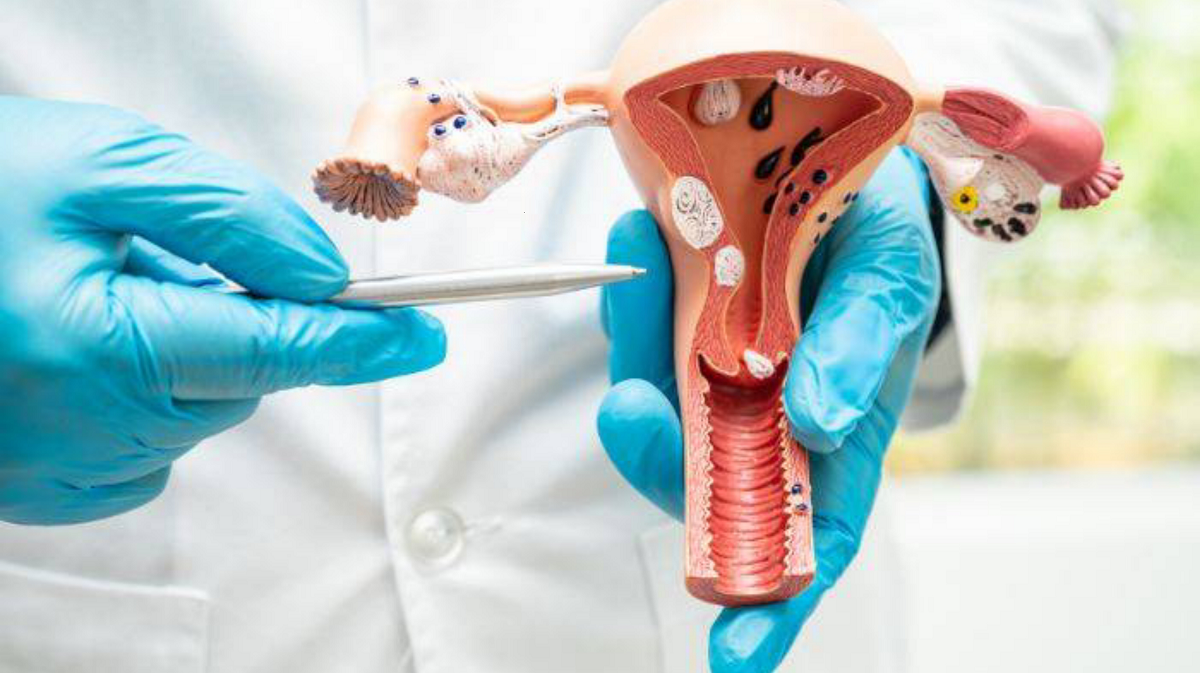
The cervix is the lower portion of your uterus that must soften, thin, and open before birth can begin. Although your cervix typically starts to soften and thin several weeks prior to labor, it does not usually begin to dilate until the final stage.
If you’ve been having contractions and other signs of early labor for weeks, you might find yourself wondering if real labor is close at hand.
If there is no cervical dilation, then your body is not in the active stage of labor. In that case, your little one may still need a bit more time to mature before they are fully ready to come out. It is also not uncommon for your cervix to remain closed until the final weeks of pregnancy.
According to MedlinePlus (U.S. National Library of Medicine), labor is defined by progressive cervical dilation. If the cervix has not begun to open, the body has not yet entered active labor, even if early contractions are present. This often means the baby and body are still preparing for birth.
Related: What Is The Difference Between True and False Labour?
2. No Consistent Contractions
Although contractions are one of the most well-known and recognizable signs of impending labor, not all contractions mean that your baby is about to come out.
Women experience a range of early contractions before actual labor even starts, such as “practice” Braxton Hicks contractions. These contractions can come and go intermittently, sometimes with days or weeks between them, and often do not produce any further cervical dilation.
Real labor contractions, on the other hand, are regular, become more intense over time, and usually come more frequently as time goes by.
If you’re still having contractions that are sporadic and not progressively more painful or more difficult to handle, your baby may still have a little more time to get into position. Your body just isn’t quite ready to deliver the real thing yet.
MedlinePlus (U.S. National Library of Medicine) also explains that Braxton Hicks contractions are infrequent and do not get stronger or cause dilation of the cervix. Contractions from true labor continue to grow stronger and more frequent and cause changes to the cervix. When contractions are irregular and weak, your body is not in true labor and your baby is likely not ready to be born yet.
Related: How to Manage Labour Pains
3. Baby Hasn’t Dropped Yet
During pregnancy, many women experience a phenomenon known as “lightening.” This occurs when the baby drops lower into the mother’s pelvis.
It usually happens several weeks before labor (but in some cases, may not occur until labor is well underway). When a baby drops, it can take some pressure off of your diaphragm and help you breathe more easily.
However, at the same time, it can put more pressure on your bladder, leading to more frequent trips to the bathroom.
If your baby has not yet dropped lower into the pelvis, it could be a sign that they are not quite ready for birth.
The process of the baby dropping into the pelvis signals that the baby is getting into position in line with the birth canal.
The muscles, cervix, and pelvis are all getting ready for labor. Every pregnancy is different, and if you haven’t experienced lightening by the time you’ve reached full term, it’s likely that your baby just needs a little more time.
Related: Risks Associated With Cervical Cerclage You Should Be Aware Of
4. No Bloody Show or Loss of Mucus Plug
The mucus plug is a thick, jelly-like substance that seals the cervix during pregnancy. The cervix is the opening to the uterus.
In preparation for labor, the cervix begins to open up, and the mucus plug is dislodged. This is called the “bloody show” because the mucus plug is often tinged with blood.
Some women will experience a bloody show, while others will not. In fact, some women don’t even notice it until they are just about to go into labor.
If you have not had any sign of your mucus plug being dislodged, it could be a sign that your body is not ready to begin labor just yet. It does not necessarily mean that anything is wrong, but it’s one of many signs that your baby could use a little more time to fully get ready.
5. No Increase in Pelvic Pressure
In preparation for birth, the baby moves lower in the pelvis. This usually results in the mother feeling an increase in pressure in the pelvic region. You may feel a heavy sensation in your lower abdomen or pelvis as a result.
If you are not feeling pelvic pressure, it may be a sign that your baby is not in the right position for birth, or they may not have dropped far enough into the pelvis yet.
In some cases, the lack of pelvic pressure may simply indicate that the baby is still floating in the abdomen and has not yet moved down into the pelvis. In this case, it can be a sign that your baby still needs more time to get ready.
Healthline explains that when a baby drops into the pelvis, many women feel:
-
Increased pressure in the pelvis
-
Heaviness in the lower abdomen
-
More discomfort when walking or sitting
It also notes that if this hasn’t happened yet, the baby may still be positioned higher in the uterus.
Similarly, an article published by VeryWell Family states that:
-
“Lightening” occurs when the baby moves down into the pelvis
-
Many women feel pelvic pressure or heaviness afterward
-
Some babies don’t drop until labor begins
Related: Placenta’s Role in Pregnancy: 7 Key Functions
6. No Water Breaking
Although many women have their waters break before they go into labor, this is not always the case. For some women, the waters may break during the early stages of labor. In other cases, the water may break during active labor.
Then there are those women whose water doesn’t break at all, and in this case, it would usually need to be manually ruptured at the hospital.
If you haven’t had your water break, it could simply mean that your baby isn’t quite ready to come out just yet. The amniotic sac needs to remain intact until the baby is in the right position for birth and the cervix is dilated.
Some babies need more time to position themselves in the birth canal, and until they do, your water may not break. This is a natural indication that your baby needs more time to prepare.
MedlinePlus / National Library of Medicine explains that in most pregnancies, the amniotic sac ruptures during labor or within about 24 hours before labor begins, and that it’s common for the water not to break until labor has already started. This means the sac can stay intact while your body and baby continue preparing for delivery.
Similarly, NHS clinical guidance states that waters usually break during labour, but they can also break before labour starts and labor doesn’t always begin immediately afterward. This shows that lack of water breaking is not unusual and does not necessarily mean labour is imminent.
Related: Crying During Pregnancy: This Is How It Affects the Baby
7. No Significant Weight Loss or Nesting Urge
Many women experience weight loss in the days or weeks leading up to labor. This weight loss is usually attributed to the body ridding itself of excess fluid.
This can be a sign that labor is near. The sudden weight loss often goes hand in hand with a nesting urge. A nesting urge is when a woman feels an intense urge to clean and prepare their home for the baby’s arrival.
If you have not experienced any sudden weight loss or have not felt an intense urge to nest, then your baby may just need more time to get fully prepared to make the transition to the outside world. This sign does not appear in every pregnancy, but for some women, it can be an extremely helpful indication that their bodies are preparing for the big day.
What You Can Do
Remember that each pregnancy is different, and these signs do not necessarily indicate that something is wrong. Your body knows what it’s doing, and in some cases, your baby just needs a little more time to fully grow and develop. If you’re feeling anxious, talk to your healthcare provider for reassurance.
In the meantime, continue to take good care of yourself and prepare for the birth. Relax, rest, and try to enjoy the remaining weeks of your pregnancy. Your baby will come when they are ready, and it will be worth the wait.
Conclusion
Identifying the signs that your baby isn’t quite ready to come out yet is an important step in managing your stress and anxiety during the later weeks of pregnancy.
These physical signs of delayed labor are part of a natural process to ensure your baby is truly ready to make their grand entrance.
We all get impatient waiting to meet our new babies, but the most important thing is that they are healthy and fully developed. Remember, when the time is right, your baby will be ready to come out.
Save the pin for later


- 10 DIY Sensory Play Activities for Toddlers - March 12, 2026
- 12 Family Organization Systems for Busy Moms - March 12, 2026
- How to Change a Diaper: A Step by Step Guide - March 11, 2026