 Mom with Vibe Team
Childbirth is a beautiful experience that every mother looks forward to. It is also one of the most challenging times a woman will ever face. She must be prepared for all the little pains and ailments that come with it, one of which is the risk of perineal tearing during childbirth.
Tearing is a common occurrence that happens when the baby passes through the birth canal. It may be accompanied by pain, discomfort, and an extended recovery period. Although tearing is common, there are precautionary measures one can take to reduce the chances of it happening.
What is Tearing During Childbirth?
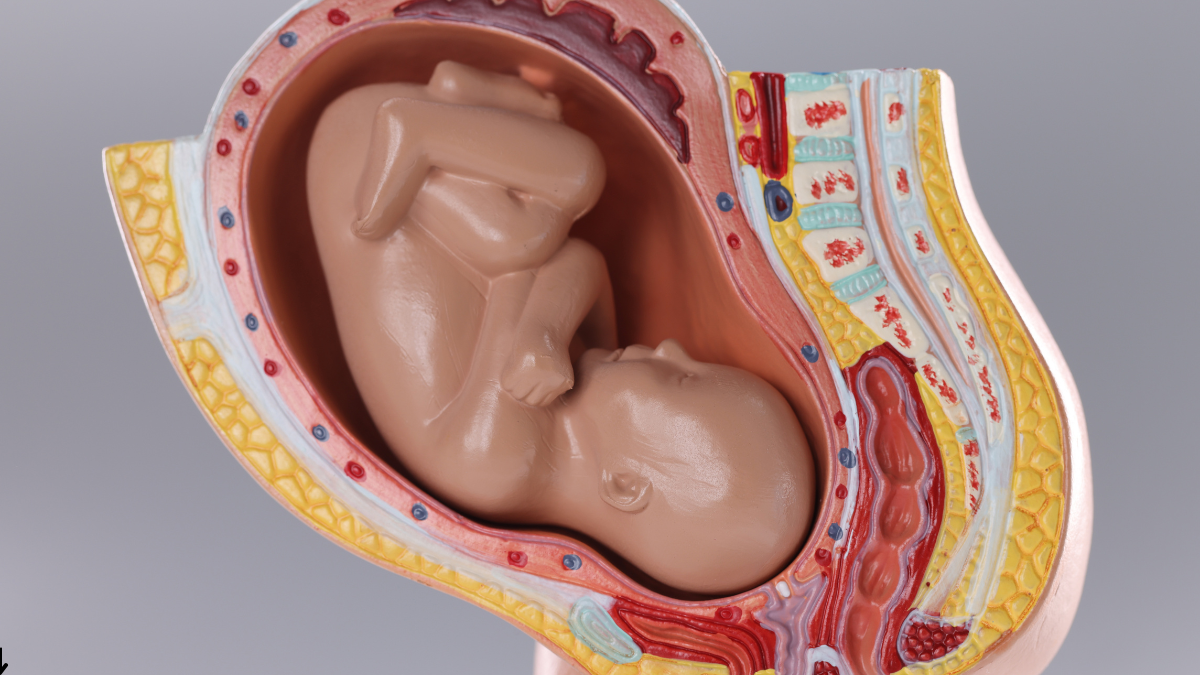
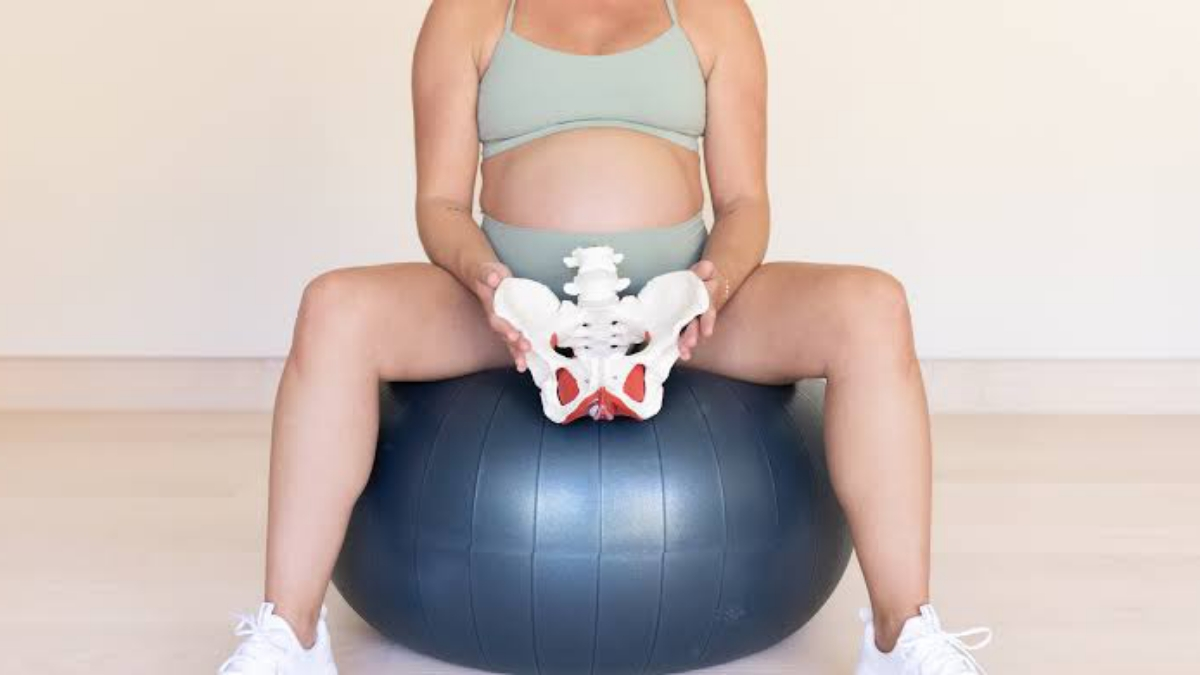
Tearing, also known as perineal lacerations, refers to any tissue or skin damage that occurs during delivery. It involves cuts or rips in the area between the vagina and anus, called the perineum. The severity of tearing is measured on a scale of one to four. A first-degree tear only affects the vagina and is considered mild, often healing quickly on its own.
A fourth-degree tear, however, is severe, affecting the entire perineum, including the anal sphincter and rectum. Third- and second-degree tears are similar to fourth-degree tears but do not involve the anal sphincter.
Severe tears often require stitches and take time to heal. The causes of tearing during childbirth include the size of the baby, the baby’s position, the speed of delivery, and the stretching of the perineum during birth.
Why Does Tearing Happen?
The best way to avoid tearing during childbirth is to understand why it happens in the first place. When the baby’s head is coming out, it presses against the perineum, causing it to stretch. The pressure exerted during delivery can cause tearing.
The following are some of the major factors that cause tearing during childbirth:
-
Large Size of Baby
The size of the baby is one of the main factors causing tearing during childbirth. A larger baby puts more weight on the perineum, resulting in more pressure and stretching. A large baby’s head also takes longer to pass through the birth canal, increasing the time needed for the perineum to stretch. -
First-Time Birth
First-time mothers are more likely to experience tearing during childbirth. The perineum of a first-time mother is usually tighter than that of a woman who has given birth before. This tightness causes the area to tear more easily. -
Fast Delivery
A rapid delivery is another factor that can lead to tearing during childbirth. This typically occurs when a mother delivers too quickly after her water breaks. -
Vacuum or Forceps Delivery
In some cases, women may require assistance during childbirth. If the baby’s head is in a difficult position, a doctor may use a vacuum or forceps to help deliver the baby. This extra assistance can put more pressure on the perineum, leading to tearing. -
Position of the Baby
The baby’s position can also affect the likelihood of tearing. For example, if the baby is not in a head-down position, it may be more difficult to pass through the birth canal. In such cases, the baby may need to be rotated, but this puts added pressure on the perineum and increases the risk of tearing.
Tips to Prevent Tearing During Childbirth
Now that we’ve covered some of the main causes of tearing during childbirth, let’s look at some effective techniques to help prevent it.
1. Perform Perineal Massage During Pregnancy
One of the most effective ways to prevent tearing is to massage the perineum before labor begins. Perineal massage involves rubbing the area between the anus and vagina to help it stretch before delivery.
A study published in the British Medical Journal found that women who performed perineal massage had a lower risk of needing an episiotomy and fewer severe tears during childbirth. The massage helps the tissues in the perineum become more elastic, making them stretch more easily during delivery.
How to Massage Your Perineum
To massage the perineum, start by applying a natural oil, such as olive oil or vitamin E oil, to the area. Then, gently rub it with your thumbs or three fingers.
You can do this a few times a week during your third trimester. As you approach your due date, it’s advisable to massage daily.
Related: 12 Pregnancy Tips For Normal Delivery
2. Controlled Pushing
Controlled pushing is another effective technique to prevent tearing during childbirth. Many mothers, especially first-timers, tend to push too hard or too quickly, which increases the chances of tearing.
Instead of pushing as hard as possible, try to push slowly and with control. Controlled pushing involves taking a deep breath between each push, allowing the perineum more time to stretch. You should also focus on taking deep breaths rather than panting, as this will help you relax and focus.
Your birthing team will likely guide you on when and how to push. They may also tell you to pause when the baby’s head is crowning, which gives the perineum more time to stretch.
Some healthcare providers recommend the modified pushing technique, where you push in an upright position—such as squatting, kneeling, or standing on all fours—rather than lying on your back. These positions reduce the pressure on the perineum and may lower the risk of tearing.
3. Apply Warm Compresses
Warm compresses are another helpful method to prevent tearing during childbirth. You can ask your midwife or birth team to apply a warm, wet towel to the perineum as the baby’s head begins to crown. The warmth increases blood flow to the area, helping the muscles relax and stretch more easily.
Research shows that warm compresses can help reduce the need for an episiotomy and prevent severe tearing.
Related: 7 Tips to Lose Weight During Pregnancy
4. Water Births
Water births, where a woman delivers in a birthing pool, have been shown to reduce the risk of tearing. The buoyancy of the water supports the mother and reduces pressure on the perineum.
The warm water also helps relax the pelvic muscles, making it easier for the baby to be born. Studies indicate that women who give birth in water experience fewer tears and recover more quickly.
However, you should discuss the option of a water birth with your doctor or midwife, as it may not be suitable for all pregnancies.
Related: Crying During Pregnancy: This Is How It Affects the Baby
5. Try Different Birth Positions
The position you are in during childbirth can also affect the likelihood of tearing. For example, lying on your back with your legs raised can exert more pressure on the perineum, increasing the chances of tearing.
Upright positions, such as squatting, kneeling, or being on all fours, reduce the pressure on the perineum. The more vertical you are, the better the chances that gravity will assist with delivery, giving the baby more space to move through the pelvis.
Related: Safe Sleeping Positions During the Second Trimester of Pregnancy
6. Episiotomy Discussion
Episiotomies, which are surgical cuts made to the perineum during childbirth, are not as commonly performed today. Studies have shown that routine episiotomies can increase the risk of severe perineal lacerations.
Before delivery, discuss with your healthcare provider whether an episiotomy will be necessary. Many women prefer to avoid them, and a skilled birth team will often try to avoid them if possible.
7. Avoid Inductions, If Possible
If your pregnancy is healthy and progressing normally, it’s best to avoid labor induction. Induction often leads to faster deliveries, which can increase the risk of tearing. Natural labor allows the perineum to stretch gradually, which reduces the chance of injury.
However, if induction is necessary for health reasons, your doctor will help you manage the process in a way that minimizes the risk of tearing.
Related: 15 Foods to Avoid During Pregnancy
8. Stay Hydrated and Eat Well
Staying hydrated and eating well during pregnancy and labor is essential. Proper hydration makes the body more flexible, which helps the perineum stretch during childbirth. Dehydration can make the skin dry and less elastic, increasing the likelihood of tearing.
Make sure to drink plenty of water and eat healthy meals during labor to keep your body energized and hydrated.
Conclusion
Tearing during childbirth is a common occurrence, but it doesn’t have to be inevitable. By taking precautions before and during labor—such as massaging the perineum, staying hydrated, practicing controlled pushing, and using warm compresses—you can significantly reduce the risk of tearing.
By following these strategies, you can make your childbirth experience more comfortable, with less risk of injury and a smoother recovery process. Always remember to consult your healthcare provider to create a birth plan that aligns with your preferences and promotes the healthiest delivery possible.
Save the pin for later

- 10 DIY Sensory Play Activities for Toddlers - March 12, 2026
- 12 Family Organization Systems for Busy Moms - March 12, 2026
- How to Change a Diaper: A Step by Step Guide - March 11, 2026