 Mom with Vibe Team
Parenting is difficult, and dealing with aggression in toddlers is one of the most trying situations. Many parents are at their wit’s end because of this issue, and we are here to tell you that it is perfectly normal. Toddlers often display aggressive behavior, but there is a lot you can do about it.
We understand how heartbreaking it is to see your cute child lose control and hit, bite, or have a temper tantrum. At the same time, toddlers have an abundance of emotions and do not yet have the coping strategies necessary to deal with them.
Today, we will provide you with advice on managing aggression in toddlers. We will explain the causes of aggression in toddlers and discuss why it is such a common issue.
However, the most important thing is that you will learn what you can do to prevent your toddler’s aggression from getting out of hand. If you are interested in a better relationship with your toddler, keep reading to learn more.

Why Do Toddlers Show Aggression?
The question of why toddlers show aggression is relatively simple to answer. Toddlers do not know any other way to cope with their anger, frustration, confusion, or lack of understanding.
For this reason, they often behave aggressively to channel their emotions. While it can be scary to watch, you need to understand that this is how they are. The good news is that you can provide them with help, support, and the tools to overcome their aggression.
Here is a list of common reasons why toddlers become aggressive:
-
Limited Communication Skills: Toddlers often have no idea how to explain to you that they are angry or frustrated. This leads them to lash out physically.
-
Feeling Overwhelmed and Frustrated: Sometimes, toddlers can’t take it anymore and need an outlet. They might act aggressively when they can’t control a situation or can’t get what they want.
-
Attention-Seeking Behavior: Toddlers will often behave aggressively to get attention, whether positive or negative. Attention is attention, so if you start responding to your child’s negative behavior, they will continue acting that way.
-
Hunger or Tiredness: Just like adults, your toddler will be more aggressive when hungry or tired.
-
Imitating Others: Toddlers are very observant, so they will imitate the behavior they see, especially from you.
-
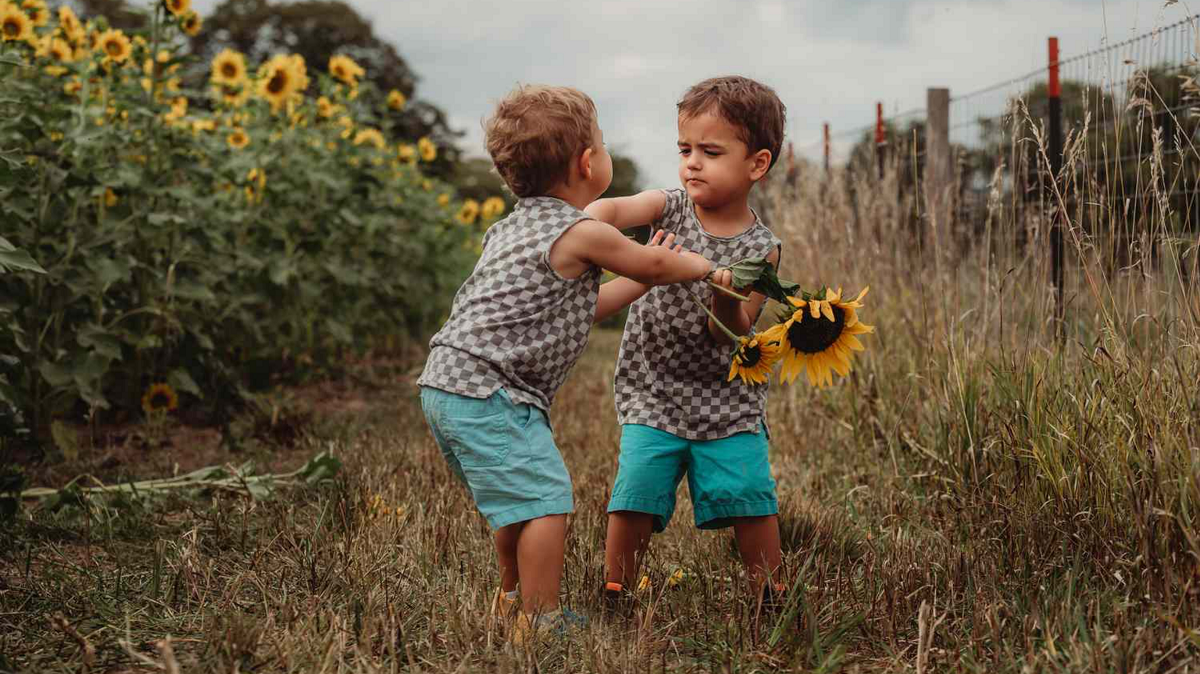
Issues with Sharing or Taking Turns: Sharing and taking turns are both very difficult concepts for toddlers to grasp. As such, your toddler might be ready to fight for what they want.
Related: How to Make Your Toddler Listen
How to Prevent Aggression in Toddlers
Aggression in toddlers is completely normal because, as you now know, toddlers don’t yet know how to behave differently.
You, however, can change that and prevent excessive aggression in your toddler. Here are some of the best ways to teach your toddler better ways to cope with frustration, anger, or other negative emotions.
1. Set Clear and Consistent Boundaries
Setting clear and consistent boundaries and sticking to them is one of the most important things you can do for your toddler.
If your toddler does not have rules and a structured environment, they will not know how to act. On the other hand, if you allow certain behavior today and punish it tomorrow, your toddler will be confused. For this reason, clear boundaries are critical, especially when it comes to aggressive behavior.
As we said before, if you allow aggressive behavior, your toddler will be more likely to continue acting that way. To make your toddler understand the rules, keep the following tips in mind:
-
Be consistent: Whatever you do or do not allow must be consistent.
-
Simple language: Toddlers work best with simple explanations, so you need to make it simple for your child to understand. “We don’t hit. We say with our words how we feel” is a good example.
-
Immediate consequences: If your toddler hits, bites, or acts aggressively, an immediate and calm consequence must follow. You can give them a time-out or remove them from the situation for a minute or two. This will allow your toddler to calm down and reflect on what they did.
Related: How To Create a Bedtime Routine for Your Toddler
2. Model Calm Behavior
Children learn a lot by observing the people around them. So if you can model calm behavior for your toddler, the chances are that they will do the same. Here is an example of how to do this in a stressful situation:
“I’m feeling really upset right now, so I’m going to take a deep breath and calm down.”
It is essential that you do not use aggression or anger when your toddler is being difficult or misbehaving. If you react calmly, your toddler will not feel the need to escalate the situation to get your attention.
3. Use Positive Reinforcement
Positive reinforcement is another great way to encourage your toddler to adopt good behavior. If your toddler is being good, make sure you tell them this and praise them. You can also use small rewards if you feel that your child needs them. Over time, your toddler will make the connection that being calm and positive results in good things. Here are some examples:
-
Praise your toddler for good behavior: If your toddler shares their toys, tell them that they are so kind.
-
Reward calmness: If your child is being calm in a challenging situation, give them a sticker, a snack, or whatever they love the most.
Positive reinforcement will ensure that your toddler feels good about their behavior and does not need to act aggressively to receive praise.
Related: How To Make Your Toddler Eat
4. Teach Emotional Regulation
The ability to regulate one’s emotions is a skill that everyone should have. Toddlers are still learning about their emotions and how to express them. While this is completely normal, as their parent, you can do a lot to help them understand what they are going through. With your help, your toddler will be able to develop a healthy relationship with their emotions. Here are some ways to do that:
-
Label your toddler’s emotions: Help your toddler understand and name their emotions. For example, “I can see that you are very angry right now. It’s okay to be angry, but we can’t hit.”
-
Teach your toddler to cope with their emotions: Teach your child different ways of calming down when they are angry, such as deep breaths or counting to ten.
-
Use stories or books to teach your toddler: There are many books designed to teach children about emotions. Use those books to your advantage and help your toddler understand that strong emotions are normal.
Related: How to Discipline an 18 Month Old
5. Ensure Your Toddler’s Basic Needs Are Met
Aggression in toddlers is often the result of unmet basic needs, such as hunger, lack of sleep, or overstimulation. To prevent this from happening, make sure that your toddler’s basic needs are met. This means getting enough sleep, eating healthy meals and snacks, and leading a balanced life.
-
Establish a bedtime routine: This will ensure that your toddler gets plenty of sleep. Toddlers need a lot of rest, and if they are tired, they can act aggressively.
-
Offer regular meals and snacks: Try to make sure your toddler’s blood sugar is always up by offering them healthy meals and snacks throughout the day.
-
Reduce overstimulation: Too much screen time, crowds, and loud noises are hard on toddlers. Ensure that your toddler has some quiet time and opportunities to play calmly.
6. Redirect Aggressive Behavior
The thing with toddlers is that sometimes they behave aggressively because they do not know any better. So if you see your toddler getting upset or frustrated, try and redirect their behavior.
This might be as simple as offering them a toy or suggesting a new activity. With time, this will also teach your child that there are other, better ways to deal with their emotions. Redirecting your toddler is a positive parenting approach that will save you a lot of heartbreak.
Related: 8 Things You Shouldn’t Do in Front of Your Baby
7. Provide Opportunities for Socialization
Finally, sometimes toddlers act aggressively because of problems with socialization. If you leave your toddler in daycare or preschool, they might have a hard time sharing and taking turns with the other kids. Therefore, it is a good idea to organize playdates and introduce your toddler to children of the same age.
The main thing is to teach your toddler that using words to express their wants and needs is better than acting aggressively. Praise your toddler when they do this and help them when they have trouble with this.
When to Get Help
It is important to remember that toddlers go through phases, and aggression is completely normal in children this age.
However, if you feel like your toddler’s aggression is excessive or if they cannot control themselves despite your best efforts, it is time to get professional help. A pediatrician, child psychologist, or behavior therapist can assess your toddler’s behavior and offer you a plan of action to correct it.
Conclusion
As you can see, there is a lot that you can do to prevent aggression in toddlers. We hope you will find this article useful and find the answers you are looking for in the information presented above.
Aggression in toddlers is a normal thing, but you can help your child with better ways of expressing themselves and their emotions.
The key to successfully managing toddler aggression is to provide a supportive and nurturing environment where your child can thrive.
Stay consistent, positive, and loving, and your toddler will respond to you in kind. By teaching them how to cope with negative emotions, set clear boundaries, and give them the tools they need to express themselves, you will be able to overcome your toddler’s aggression and build a happy, harmonious relationship with them.
Save the pin for later

- 10 DIY Sensory Play Activities for Toddlers - March 12, 2026
- 12 Family Organization Systems for Busy Moms - March 12, 2026
- How to Change a Diaper: A Step by Step Guide - March 11, 2026