Mom with Vibe Team
Pregnancy is a time of great change, both emotionally and physically, and fluctuations in hormone levels can cause various reactions throughout the body.
One common complaint many women share is hair loss. Pregnancy is a beautiful but unique journey, and hair loss can be distressing as your beautiful hair texture and volume change temporarily while your body adjusts to support and nourish your little one.
Understanding the causes of hair loss during pregnancy and learning how to control it is the first step toward maintaining healthy hair during this time.
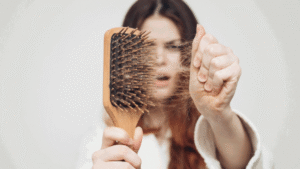
Causes of Hair Fall During Pregnancy
Hair loss during pregnancy can occur due to several factors, but the main culprit is hormonal changes, especially fluctuations in estrogen levels.
Estrogen is responsible for regulating the hair growth cycle, and increased estrogen levels during the first trimester promote prolonged hair growth. This is why some women may notice their hair growing thicker or fuller during pregnancy.
However, as estrogen levels fall after childbirth, the hair follicles that were in the growth phase begin to shed, resulting in postpartum hair loss.
Hair loss during pregnancy can also be caused by stress, nutritional deficiencies, and dehydration. It’s important to remember that some shedding is completely normal as your body goes through a series of changes. However, you can follow some tips for hair care during pregnancy to reduce excessive shedding, which we’ll discuss below.
How To Control Hair Fall During Pregnancy
1. Watch Your Nutrition
Your diet plays a key role in your overall health and appearance. If you want to prevent hair loss during pregnancy, ensure that you’re getting all the essential nutrients your body needs to stay nourished, strong, and energized. Here are some key nutrients to include in your pregnancy diet:
-
Protein: Protein is a building block for hair, and a deficiency in protein is a common cause of hair loss. Ensure that you include sufficient amounts of protein in your daily diet. Foods such as eggs, beans, lentils, tofu, chicken, or fish can help meet your daily protein needs.
-
Iron: Iron deficiency is a common cause of hair loss. You can get iron from foods such as spinach, kale, beans, lentils, and fortified cereals. Pair these with foods rich in vitamin C, such as oranges or strawberries, to improve iron absorption.
-
Vitamin D: Vitamin D plays a crucial role in the hair follicle cycling process, and its deficiency could contribute to hair thinning. The best source of vitamin D is sunlight, so try to get about 15 minutes of sun exposure daily. You can also find vitamin D in foods like salmon, fortified milk, and eggs.
-
Omega-3 Fatty Acids: Omega-3 fatty acids promote healthy hair. Fatty fish like salmon or mackerel, flax seeds, chia seeds, and walnuts are great sources of these healthy fats.
-
Biotin: Biotin, a B-complex vitamin, is essential for hair strength. Foods like avocados, sweet potatoes, almonds, and eggs are rich in biotin and can help combat hair thinning.
Related: 10 Types of Housework Pregnant Women Should Avoid
2. Drink Plenty of Water
Hydration is key to maintaining healthy hair. Drinking plenty of water throughout the day will help keep your hair hydrated and also eliminate toxins from your body. If you find that you’re losing more hair than usual, dehydration may be the cause.
Aim for at least 8-10 glasses of water per day, and consider adding hydrating foods like cucumbers, watermelon, and oranges to your diet. Proper hydration helps maintain a healthy scalp, which is essential for hair growth.
3. Treat Your Hair Gently
Your hair will be more fragile during pregnancy, so it’s important to treat it gently. Here are a few hair care tips for pregnant women:
-
Avoid Tight Hairstyles: Tight hairstyles, such as ponytails, braids, and buns, can cause hair to break and may lead to traction alopecia. Opt for loose hairstyles to prevent unnecessary hair fall.
-
Avoid Heat Styling: Frequent use of hot styling tools like flat irons, curling irons, and blow dryers can damage your hair. During pregnancy, it’s best to avoid these styling tools. If you must use them, be sure to apply a heat protection product beforehand.
-
Be Gentle When Brushing: Hair is more prone to breakage when wet. Use a wide-toothed comb to gently detangle your hair, starting from the ends and working your way up to avoid breakage. Avoid brushing your hair when it’s soaking wet, as this can cause additional damage.
-
Sleep on a Silk or Satin Pillowcase: Cotton pillowcases can cause friction, leading to hair breakage. Opt for a silk or satin pillowcase, which is smoother and will help your hair glide over it as you sleep.
Related: How Much Water Should A Pregnant Woman Drink?
4. Scalp Care
A healthy scalp is crucial for healthy hair. A dry, irritated, or clogged scalp can affect the growth and appearance of your hair. Here are some tips for maintaining scalp health during pregnancy:
-
Scalp Massage: Gently massaging your scalp with your fingertips can increase blood flow to your hair follicles, promoting healthy hair growth. You can do this daily, or whenever you shower, using natural oils like coconut or olive oil for moisture and nourishment.
-
Essential Oils: Some essential oils, like lavender, rosemary, and peppermint, are believed to help with hair loss. Mix a few drops with a carrier oil and gently massage it into your scalp. Be sure to do a patch test before applying the mixture to your scalp to ensure you’re not allergic to the oils.
-
Avoid Harsh Hair Products: Many hair care products contain sulfates and parabens, which can irritate your scalp and hair follicles. Opt for gentle, sulfate-free, pregnancy-safe shampoos with natural ingredients like aloe vera, chamomile, or argan oil.
5. Stress Management
Stress is a major contributor to hair loss, as it can cause hair follicles to prematurely enter the resting phase, resulting in shedding. Pregnancy can be an emotional rollercoaster, so it’s important to find ways to relax and reduce stress.
-
Practice Deep Breathing: Deep breathing exercises activate the body’s relaxation response and help reduce stress. Take a few minutes each day to practice deep breathing, inhaling slowly through your nose, holding for a few seconds, and exhaling slowly through your mouth.
-
Prenatal Yoga: Yoga can help reduce stress, improve circulation, and relax both your body and mind. Consider taking prenatal yoga classes to help you manage your stress levels.
-
Mindfulness Meditation: Meditation is a great way to relax and de-stress. Spend 10-15 minutes daily practicing mindfulness meditation to help calm your mind and body.
-
Get Adequate Rest: Lack of sleep increases stress, which can contribute to hair loss. Aim for 7-9 hours of sleep per night to help your body rejuvenate.
Related: 15 Foods to Avoid During Pregnancy
6. Try Prenatal Vitamins
Changes in your hair during pregnancy can sometimes result from a lack of essential nutrients. Prenatal vitamins, especially those containing biotin, folic acid, and vitamin E, can support hair growth and reduce hair fall. Always consult with your doctor to ensure that prenatal vitamins are safe for both you and your baby.
Related: Nutrikids Food Nutrition DHA+ Orange
7. See Your Doctor
In some cases, hair loss during pregnancy can be a sign of an underlying health issue. If you’re concerned about your hair loss, it’s important to consult your doctor. Conditions like an underactive or overactive thyroid, or anemia, can contribute to hair shedding. Your doctor can identify the cause and recommend the best course of action.
Conclusion
Hair loss during pregnancy can be frustrating, but it is usually temporary and resolves after childbirth. By following a healthy, balanced diet, practicing good hair care, and managing stress, you can reduce hair fall and maintain healthy hair during pregnancy.
Remember, pregnancy is a beautiful and unique experience, and your body is doing incredible work to create new life. Embrace the changes your body goes through, and be kind to yourself. Your beauty will shine through at every stage of pregnancy, even if your hair temporarily thins.
Save the pin for later

- 10 DIY Sensory Play Activities for Toddlers - March 12, 2026
- 12 Family Organization Systems for Busy Moms - March 12, 2026
- How to Change a Diaper: A Step by Step Guide - March 11, 2026