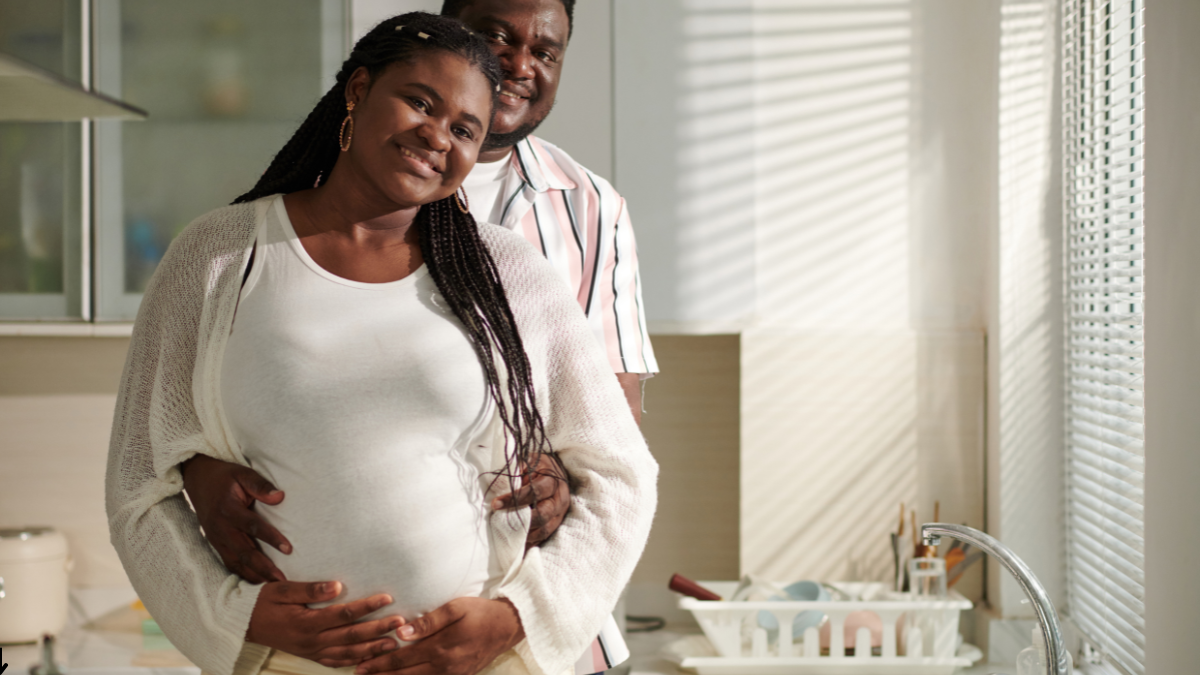

 Mom with Vibe Team
As a healthcare expert, one of the most common questions I hear from expectant mothers is: “How much water should I drink during pregnancy?”
Hydration is key—not just for the mother’s health but for the growing baby as well. During pregnancy, your body goes through many changes, and staying hydrated becomes more important than ever. It’s not just a good habit—it’s vital for your health and well-being.
Why Is Water So Crucial During Pregnancy?
Water plays a vital role in nearly every bodily function, and when you’re pregnant, it becomes even more critical. Here’s why hydration is non-negotiable during pregnancy:
-
Regulates Body Temperature: Water helps control body temperature, a crucial function during pregnancy when your body is working overtime.
-
Supports Amniotic Fluid: Amniotic fluid, which surrounds and protects your baby, is essential for your baby’s development. Staying hydrated ensures that these fluid levels stay optimal.
-
Nutrient Transportation: Water helps transport nutrients to the baby, making sure they receive what they need to grow and develop.
-
Prevents Dehydration: Dehydration can lead to complications like low amniotic fluid, UTIs, constipation, fatigue, and swelling. Adequate hydration is a safeguard against these issues.
Drinking enough water also helps with digestion, reduces swelling, and can improve skin health, which are all common pregnancy concerns.
According to a research Constipation is a common problem during pregnancy. Taking iron supplements can make constipation worse. Drinking more water may help relieve your constipation.

How Much Water Should You Drink?
The recommended daily water intake during pregnancy varies. It’s influenced by factors like age, weight, activity level, and climate.
As a general rule, aim for at least 8 to 10 cups (about 2 to 2.5 liters) of water a day. While this may seem like a lot, remember that your body is working hard to nurture both yourself and your baby.
Related: 10 Types of Housework Pregnant Women Should Avoid
Dehydration During Pregnancy: What To Watch Out For
Dehydration is a real concern during pregnancy and can lead to various negative effects. Some common signs of dehydration include:
-
Dry mouth and lips
-
Dark yellow urine or infrequent urination
-
Fatigue and dizziness
-
Headaches
-
Constipation
-
Swollen ankles and feet
If you’re experiencing these symptoms, increase your water intake immediately. If they persist, consult your healthcare provider.
Related: 10 Diaper Bag Essentials Checklist For Newborn
Hydration Tips for Pregnant Women
To make sure you’re getting enough hydration during pregnancy, here are some simple tips:
-
Drink Throughout the Day: Instead of drinking large amounts of water at once, sip water throughout the day. Carry a water bottle to stay reminded to hydrate.
-
Eat Hydrating Foods: Many fruits and veggies—such as cucumbers, watermelon, and oranges—have high water content. Including these in your diet can help you reach your hydration goals.
-
Listen to Your Body: If you’re thirsty, drink! Pregnant women need more fluids, so thirst is your body’s signal to hydrate.
-
Limit Caffeine: Caffeine has a diuretic effect, which means it can make you urinate more often and could contribute to dehydration. If you consume caffeine, balance it out with water.
-
Hydrate More in Hot Weather: Hot weather increases water loss through sweat. Be sure to drink extra water if you’re in a warm climate or spending time outside.
Related: How to Help Your Baby Turn Head Down
How Does Water Benefit Pregnancy Health?
Here’s how hydration supports your health—and your baby’s:
-
Maintains Amniotic Fluid Levels: Amniotic fluid surrounds your baby and helps with muscle, limb, and lung development. Proper hydration ensures this fluid remains at a healthy level.
-
Supports Increased Blood Volume: Your blood volume increases during pregnancy to support your baby’s growth. More water helps pump blood efficiently, ensuring that oxygen and nutrients are delivered properly.
-
Prevents Constipation: Pregnancy hormones can slow digestion, leading to constipation. Drinking enough water helps keep things moving and softens stools.
-
Regulates Body Temperature: Pregnant women often feel warmer than usual, and staying hydrated helps regulate body temperature, ensuring that you feel more comfortable.
Related: How To Prevent Stretch Marks During Pregnancy
The Importance of Electrolytes
Water is essential, but it’s not the only key to hydration. Maintaining a balance of electrolytes like sodium, potassium, and magnesium is just as important. These electrolytes regulate hydration within your body’s cells and tissues. Consider adding a pinch of salt to your water or drinking coconut water to help maintain your electrolyte balance.
Water Intake by Trimester
-
First Trimester: You may not need to drink a lot more water in the first trimester, but hydration is still crucial, especially if you’re dealing with morning sickness. Water can help prevent dehydration caused by vomiting or nausea.
-
Second Trimester: As your body changes and the baby grows, your hydration needs increase. You’ll likely feel thirstier now, and it’s important to listen to your body’s signals.
-
Third Trimester: By the third trimester, your hydration needs are at their peak. The pressure on your bladder increases, so you might find yourself needing to use the bathroom more often. Keep drinking plenty of water to stay hydrated, no matter how many bathroom trips it takes!
FAQ
1. Can I drink flavored water during pregnancy?
Yes, flavored water is okay as long as it doesn’t contain added sugars or artificial sweeteners. You can add natural ingredients like lemon, cucumber, or mint for a refreshing twist.
2. Can I drink too much water during pregnancy?
While staying hydrated is essential, overhydration is possible. It’s rare, but drinking excessive water in a short time can lead to water intoxication. Stick to 8-10 cups daily and listen to your thirst signals.
3. Can other drinks help with hydration?
Yes, other drinks like milk, herbal teas, and coconut water contribute to hydration. However, water remains the most effective and efficient way to stay hydrated.
4. How can I tell if I’m drinking enough water?
One way to check is by the color of your urine. Clear or light yellow urine means you’re well-hydrated, while dark yellow or amber-colored urine indicates you need more water.
5. What are the risks of dehydration during pregnancy?
Dehydration can lead to complications like low amniotic fluid, preterm labor, UTIs, and low birth weight. Staying hydrated helps reduce these risks.
6. Can I drink coffee or tea during pregnancy?
Yes, but in moderation. Limit your caffeine intake to no more than 200 mg per day (roughly one 12-ounce cup of coffee). Too much caffeine can lead to dehydration and negatively affect your baby’s health.
Conclusion
Hydration during pregnancy is one of the easiest and most effective ways to care for your health and the health of your baby.
Make sure you’re drinking enough water every day, listen to your body, and stay mindful of your hydration needs.
As your pregnancy progresses, your water intake may need to increase—but keeping hydrated will ensure you and your baby stay healthy and thriving. Stay hydrated, stay healthy!
Save the pin for later


- 10 DIY Sensory Play Activities for Toddlers - March 12, 2026
- 12 Family Organization Systems for Busy Moms - March 12, 2026
- How to Change a Diaper: A Step by Step Guide - March 11, 2026