Pregnancy is one of the most joyful yet fragile times in a woman’s life. With so many changes taking place to support the new life inside her, it’s vital to be extra cautious about the food being consumed.
The first trimester is when most of the baby’s development occurs. Eating right, therefore, is of the utmost importance. It can nourish both mother and child; however, some foods and drinks can lead to miscarriage and other complications.
To ensure the healthiest possible pregnancy and outcome, it is important to understand the types of foods that may harm you or your baby.
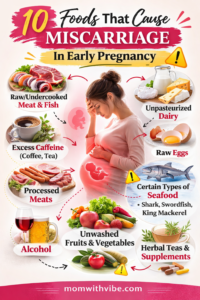
In this article, we will list 10 foods that can cause miscarriage in early pregnancy and their risks.
10 Foods to Avoid to Prevent Miscarriage in Early Pregnancy
1. Raw or Undercooked Meat
Raw or undercooked meats such as beef, chicken, or pork can harbor dangerous bacteria like Salmonella, Listeria, and Toxoplasma, which can lead to serious infections in expectant mothers. Infections caused by these bacteria can increase the risk of miscarriage or birth defects.
Raw meat also contains parasites that can cause food poisoning, which is particularly dangerous during early pregnancy.
Symptoms like fever, nausea, vomiting, and stomach aches are common signs of infection, and this can be very harmful to your growing baby. Cooking your meat thoroughly is the best way to kill these bacteria and parasites.
Related: Positive Pregnancy Test but No Symptoms: 7 Reasons
2. Unpasteurized Dairy Products
Dairy products such as milk, cheese, or yogurt can be a vital source of calcium and other minerals for pregnant women. But unpasteurized dairy products may be very harmful during pregnancy. These products can contain Listeria bacteria, which can cross the placenta and cause miscarriage, stillbirth, or infection in the newborn.
Make sure all dairy products are pasteurized before consumption. Check the labels of the products or ask the store employee. Avoid soft cheeses like Brie, Camembert, or Roquefort unless they are made with pasteurized milk.
3. Caffeine
Coffee and tea are common drinks among many people, and pregnant women are no different. However, the risk of consuming large amounts of caffeine in coffee, tea, and other foods is high. Research has found a connection between caffeine and miscarriage as well as preterm birth.
Caffeine can cross the placenta and reach the baby inside the womb. It can cause issues with the baby’s development and may even result in low birth weight. In small doses, typically around 200 mg per day, caffeine is generally considered safe.
However, it’s a good idea to limit caffeine intake as much as possible. Caffeine is found in coffee, tea, sodas, energy drinks, and many foods containing chocolate. Decaffeinated coffee or tea can be a safer alternative.
Related:7 Tips to Lose Weight During Pregnancy
4. Seafood High in Mercury
Seafood can be a healthy and delicious way to obtain protein and omega-3 fatty acids. However, some seafood is high in mercury and can be dangerous for a developing baby.
Larger fish such as swordfish, king mackerel, and tilefish contain high levels of mercury, a heavy metal that can damage the baby’s developing brain and nervous system. It can also increase the chances of miscarriage due to elevated mercury levels in the bloodstream.
Fish are generally a safe source of protein, but some varieties are dangerous to consume. Stick to fish that are known to be low in mercury, such as mackerel, shrimp, salmon, or sardines.
5. Raw or Undercooked Eggs
Raw or undercooked eggs are often found in foods such as homemade mayonnaise, cookie dough, puddings, or dressings. Raw eggs can carry Salmonella, which causes food poisoning and diarrhea. Raw eggs have been linked to severe dehydration, fever, and abdominal cramps.
It’s best to avoid raw eggs during early pregnancy, as food poisoning can cause further complications such as miscarriage or early labor. Ensure that eggs are cooked thoroughly, with firm yolks and whites.
6. Liver and Liver Products
Liver is high in Vitamin A, which is essential for the baby’s development. However, consuming too much Vitamin A during pregnancy can be dangerous. Vitamin A can become toxic when taken in large doses.
Liver products such as pâté can contain high levels of Vitamin A. In the form of retinol, Vitamin A can lead to birth defects and miscarriage, particularly during the first trimester when the baby’s organs are rapidly developing.
Avoid eating liver or liver products, and opt for healthier alternatives. If you do consume liver, limit it to occasional small amounts. It’s best to obtain Vitamin A from plant sources such as carrots and sweet potatoes.
Related:15 Foods to Avoid During Pregnancy
7. Certain Herbal Teas
Herbal teas are a popular drink and are often considered a healthy alternative to regular caffeinated beverages. However, some herbal teas can be harmful during pregnancy and can raise the risk of miscarriage. Teas made from plants or herbs that cause contractions, bleeding, or other complications should be avoided. Examples include rhubarb tea, black cohosh tea, and chamomile tea.
Before drinking any herbal tea, make sure it is safe for pregnancy. While many herbal teas are beneficial during pregnancy, it’s best to avoid those that may lead to miscarriage.
8. Processed Junk Foods
Processed junk foods such as chips, burgers, french fries, fast foods, sugary drinks, and snacks should be avoided during pregnancy. These foods are full of unhealthy fats, refined sugars, sodium, and artificial additives and preservatives. They are high in calories but low in nutritional value.
Consumption of junk food can lead to obesity, weight gain, gestational diabetes, and high blood pressure, which can harm both the mother and the baby. Junk food can also increase the risk of early labor and miscarriage. Stick to a well-balanced, nutritious diet to provide the necessary vitamins and minerals for both mother and baby.
Related: What Is Food Cravings During Pregnancy?
9. Alcohol
Consumption of alcohol during pregnancy is unsafe and can lead to various complications. The more alcohol consumed, the higher the chances of miscarriage, stillbirth, or birth defects. Alcohol passes easily through the placenta and affects the baby’s development, potentially damaging the baby’s brain and other organs.
There is no safe level of alcohol consumption during pregnancy, and it’s strongly recommended that pregnant women abstain from alcohol entirely. Alcohol can be found in wine, beer, cocktails, and spirits.
10. Unwashed Fruits and Vegetables
Fruits and vegetables are an essential part of a pregnancy diet, but they can pose risks if not properly washed. Unwashed produce may contain pesticides, parasites, or bacteria that can cause food poisoning. Parasites such as Toxoplasma, Listeria, and Salmonella can cause serious issues during early pregnancy, including miscarriage.
Always wash fruits and vegetables thoroughly under running water. Peel or scrub them if necessary. Choosing organic produce can also help reduce pesticide exposure.
Final Words
It is crucial to be extra cautious about the food consumed during early pregnancy. While most foods are safe and even beneficial, some can be very harmful and increase the risk of miscarriage or other complications.
Avoiding certain foods known to carry parasites, bacteria, or harmful substances will help ensure the health of both mother and baby.
Be mindful of your diet and consult your doctor for personalized advice. They can offer valuable information to help ensure you and your baby stay healthy throughout the pregnancy.
Save the pin for later

- 10 Foods That Cause Miscarriage In Early Pregnancy - February 26, 2026
- 15 Habits of Women That Are Harmful to Their Health - February 26, 2026
- 5 Foods That Are Toxic For Your Unborn Baby - February 25, 2026