Mom with Vibe Team
Parenting is a journey of constant learning and love. One of the most crucial lessons is that we can give our children a healthy head start through the power of nutrition.
In their early years, babies’ brains grow and expand faster than ever. New connections form, information soaks in, and the foundation for learning, memory, and problem-solving is laid.
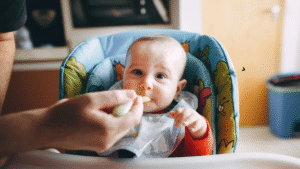
Food That Will Increase Your Baby’s Brain Power
We know that nutrition plays a critical role during these formative years.
The nutrients in the food you feed your baby are building blocks for lifelong health, intelligence, and well-being.
For this reason, we have compiled a list of the 25 best foods that can help naturally boost your baby or toddler’s brain development.
-
Avocados
Rich in healthy monounsaturated fats, avocados are a nutrient-dense fruit. The fats in avocados help build healthy cell membranes in the brain and ensure smooth blood flow to support optimal cognitive function. Mash avocado for a first food for your baby or spread it on toast for toddlers. -
Eggs
Eggs are a great source of choline, which is vital for memory and learning. They also contain vitamin D and healthy fats that support brain growth and development. Try scrambled eggs or soft-boiled eggs for an easy baby first food. -
Salmon
Fatty fish like salmon contain high amounts of omega-3 fatty acids, including DHA, which is critical for brain and eye development. Flake cooked salmon into bite-sized pieces for babies or mix it into mashed sweet potatoes. -
Breast Milk or Formula
For the first few months of life, breast milk or formula is the ultimate brain food. It contains all the necessary nutrients your baby needs, including DHA, ARA, and other fatty acids that support cognitive growth and development. -
Greek Yogurt
Greek yogurt is packed with protein that fuels the brain with long-lasting energy. It also contains probiotics that support gut health, which is directly related to brain function. Choose plain, unsweetened yogurt for babies. -
Blueberries
Packed with antioxidants that protect brain cells from damage and help improve communication between brain cells, blueberries support memory and learning. Serve them mashed or blended into oatmeal. -
Spinach
Leafy greens like spinach are high in folate, iron, and vitamin K. Folate helps support brain structure, and iron is needed to carry oxygen to the brain. Stir finely chopped spinach into scrambled eggs or purees. -
Bananas
Bananas provide natural energy thanks to their high potassium and vitamin B6 content. Vitamin B6 is needed to produce neurotransmitters that send signals between brain cells. Slice bananas into finger foods for toddlers or mash them for younger babies. -
Oats
Slow-digesting carbohydrates like oats provide the brain with fuel throughout the day. They’re also high in fiber and essential minerals like zinc and iron. A warm bowl of oatmeal makes a hearty breakfast for little ones. -
Sweet Potatoes
These colorful root vegetables are packed with beta-carotene and vitamin C, which support brain development and a healthy immune system. Mash or roast them for baby-friendly portions. -
Walnuts
Often called “brain-shaped nuts,” walnuts are one of the best plant sources of omega-3 fatty acids. Finely ground walnuts can be sprinkled into yogurt or oatmeal for toddlers. -
Lentils
Lentils provide plant-based protein and iron, which help the brain grow and stay energized. Blend cooked lentils into soups or purees for an easy, nutrient-dense meal. -
Apples
Apples are rich in antioxidants and natural fiber, which help regulate blood sugar levels and provide steady energy for focus and concentration. Steamed apple slices or unsweetened applesauce work well for babies. -
Pumpkin Seeds
Tiny but mighty, pumpkin seeds are packed with magnesium, iron, zinc, and copper. These minerals are essential for learning, memory, and mood regulation. Grind them into a powder and stir into baby food. -
Broccoli
This cruciferous veggie is loaded with vitamin K, lutein, and antioxidants that help protect the brain. Lightly steamed broccoli florets can make excellent finger foods for baby-led weaning. -
Cheese
Cheese is a good source of protein, calcium, and vitamin B12—all of which are important for a healthy brain. Choose mild varieties like mozzarella or cottage cheese for babies. -
Carrots
High in beta-carotene, which the body converts into vitamin A, carrots support vision and communication between brain cells. Serve them as steamed sticks or mashed for babies. -
Brown Rice
Whole grains like brown rice provide steady energy to the brain and are high in B vitamins and magnesium. Mix it with vegetables or lentils for a complete meal. -
Strawberries
Strawberries are another great source of vitamin C and antioxidants that support learning and memory. Mash them into yogurt or oatmeal for natural sweetness. -
Chickpeas
These protein- and iron-rich legumes fuel brain growth and development. Hummus made with chickpeas, olive oil, and a little lemon makes a baby-friendly dip. -
Oranges
The vitamin C in oranges helps the body absorb iron, which is another essential mineral for brain development. Offer orange slices (with the peel removed) or squeeze fresh juice into water. -
Quinoa
This ancient grain is full of complete protein, fiber, and essential amino acids. Quinoa helps maintain steady energy and optimal brain function. Cooked quinoa can be mixed into purees or salads. -
Beets
Beets help improve blood flow to the brain due to their natural nitrates. They also provide folate and antioxidants. Steam or roast beets and mash them for baby-friendly portions. -
Lean Meat (Chicken or Turkey)
Lean meats are a source of high-quality protein, iron, and zinc, all of which are vital for attention, memory, and overall cognitive growth. Serve finely shredded meat for babies learning to chew. -
Water
Though technically not a food, water is essential for optimal brain function. Staying hydrated helps brain cells communicate better and keeps babies alert and focused. Offer small sips of water after the pediatrician gives the go-ahead.
Related: How to Make Your Kids Mentally Strong
Tips for Introducing Brain-Boosting Foods to Your Baby
-
Start with one new food at a time and watch closely for any allergies or sensitivities.
-
Texture is important – purees first, then move on to soft finger foods as they get older.
-
Mix and match different brain-boosting foods together – for example, salmon with sweet potatoes or spinach blended into eggs.
-
Repeat exposure – don’t be discouraged if your child spits out a new food at first. It often takes several tries before they develop a taste for it.
Related: How to Make Your Kids Smarter
Final Thoughts
The first few years of a child’s life are a golden window for brain development. During this precious time, the brain is growing and expanding at an extraordinary rate.
We can give our babies the healthiest possible start by nourishing them with the right nutrients.
By filling your baby’s plate with the above 25 brain-boosting foods—avocados, salmon, blueberries, lentils, and many more—you’re fueling their potential in the most natural way.
Let’s nurture healthy, curious, and bright little learners one bite at a time.
Save the pin for later


- 10 DIY Sensory Play Activities for Toddlers - March 12, 2026
- 12 Family Organization Systems for Busy Moms - March 12, 2026
- How to Change a Diaper: A Step by Step Guide - March 11, 2026