 Mom with Vibe Team
Bringing a new baby into the world is a life-changing experience. Whether you delivered vaginally or via C-section, your body needs time to heal and recover.
One of the most common questions new moms ask is: “When will my period return after a C-section, and what will it be like?”
As women, we understand how important it is to feel prepared for the postpartum recovery process.
Every woman’s body is different, but there are common trends and expectations when your first period after a C-section makes an appearance.
Let’s walk through what you can generally expect so you can feel more informed, supported, and empowered.
When Does Your Period Return After a C-Section?
Contrary to what you might think, your period will not return immediately after your C-section. The bleeding you experience in the weeks following delivery is postpartum bleeding called lochia.
This is not your period but, in fact, your uterus shedding the leftover blood and lining from pregnancy. It typically lasts four to six weeks but may occasionally linger for a little longer.
The return of your actual menstrual cycle will happen later and is influenced by a variety of factors, including whether or not you breastfeed.
If you are exclusively breastfeeding your little one, your period may not return for several months. The milk-producing hormone prolactin can suppress ovulation and delay menstruation. Some women don’t see their first postpartum period until they stop breastfeeding or reduce their nursing sessions.
For women who are formula feeding, your period may return much sooner, often around six to eight weeks postpartum. If you are doing a combination of breastfeeding and formula feeding, your menstrual cycle will likely return somewhere in the middle.
The important thing to remember is that even if your period does not return after your C-section, you can still ovulate and become pregnant. That means it is possible to conceive before your first period arrives.
Related: 15 Fun Ways to Exercise with Baby, Post-Pregnancy
What Will the First Period After a C-Section Be Like?
The first period after having a C-section may feel different than what you remember from your pre-pregnancy days. Here are some of the most common things new moms experience:
-
Heavier Flow
Your first period will likely be heavier than what you’re used to before pregnancy. Your uterine lining has built up during the recovery period, and your body is also just readjusting back to its normal cycle. Passing small blood clots is also normal during this first period. -
Irregular Timing
It may take a few months for your cycle to find its rhythm. Don’t be alarmed if you begin menstruating earlier or later than expected. Cycle length may also shift for the first few periods. -
More Cramping
Because your uterus is still recovering from pregnancy and surgery, cramps can be much stronger than they were pre-pregnancy. Uterine muscles are working overtime to contract to their regular size, which can be quite uncomfortable. -
Different Color and Consistency
Blood may appear darker, and discharge may be thicker than usual. This is just the body’s way of flushing out old tissue and adjusting back to a normal cycle. -
Possible Changes in Symptoms
Some women report having lighter periods after pregnancy, while others find they’re heavier or more painful. PMS symptoms, such as moodiness and bloating, may also feel different.
Related: What Is Food Cravings During Pregnancy?
How Long Does the First Period After a C-Section Last?
Most women find that their first period lasts a little longer after a C-section, up to 7–10 days. As time goes on, your period should shorten and become more regular.
It is also not unusual for periods to last more than two weeks postpartum. If bleeding is particularly heavy or lasts more than two weeks, contact your healthcare provider.
Related: Safe Sleeping Positions During the Second Trimester of Pregnancy
Is the First Period After a C-Section More Painful?
Yes, the first period after C-section recovery can be much more painful than usual. This is because your body is not only recovering from pregnancy but also from abdominal surgery.
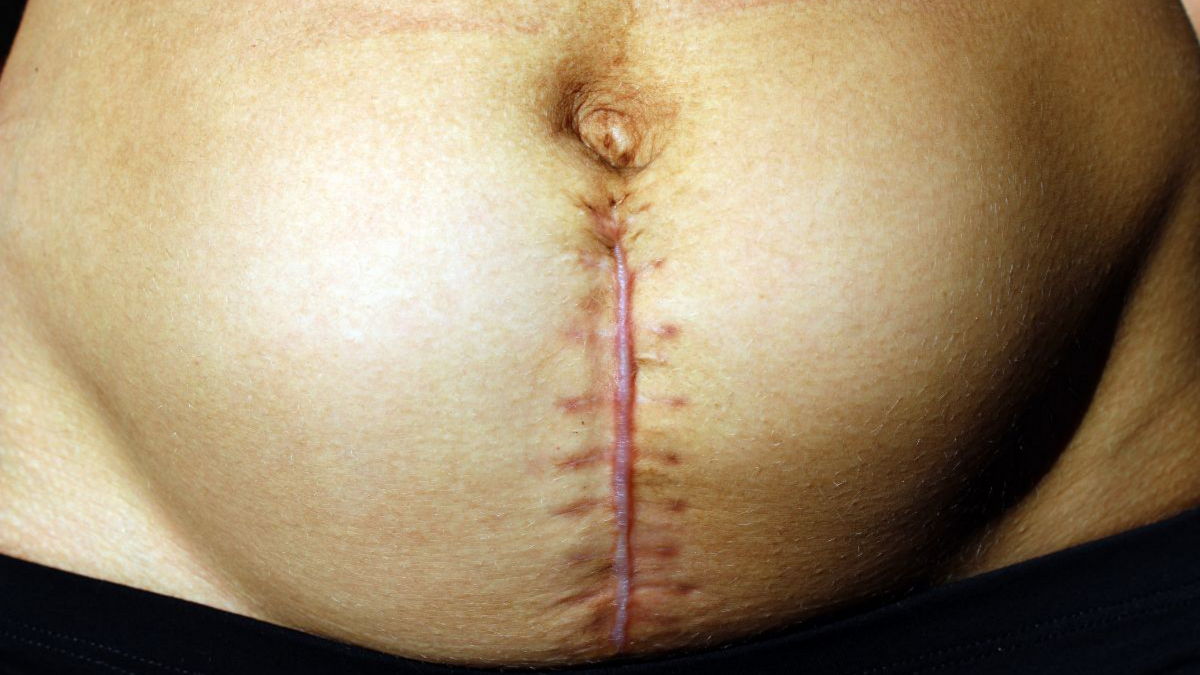
Scar tissue around the incision area can sometimes lead to extra discomfort during your first few cycles.
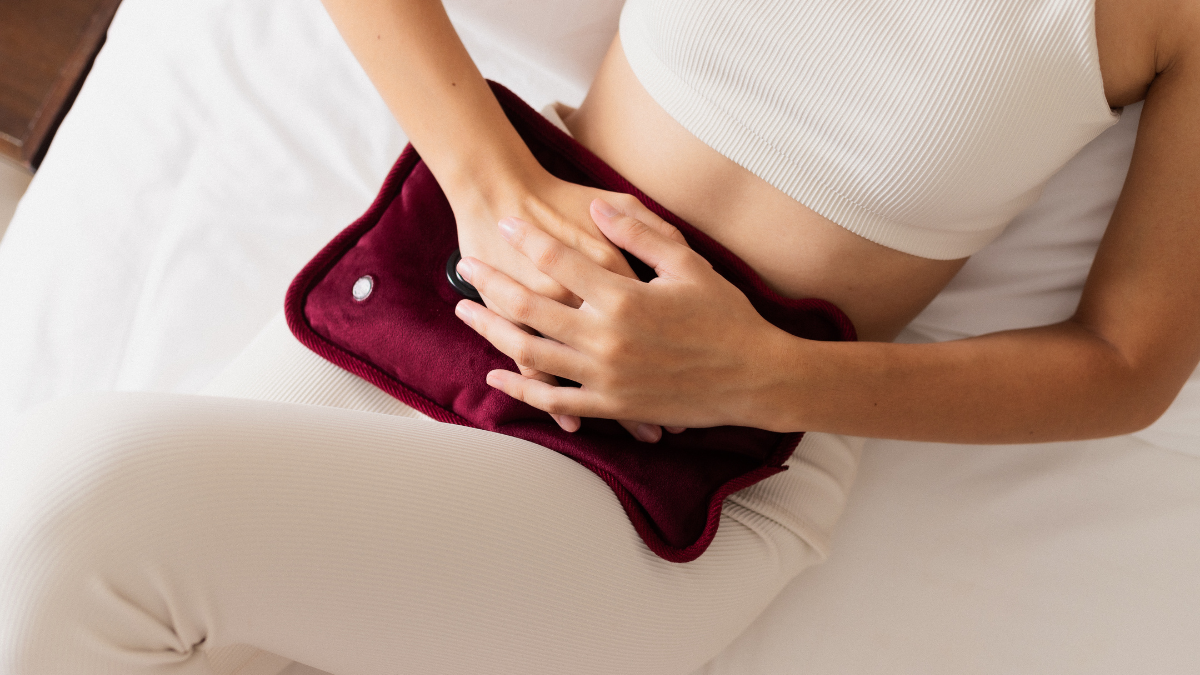
Expect cramps to be sharper, and back pain may also accompany your period. A heating pad, gentle stretches, and approved pain relievers (check with your doctor if you’re breastfeeding) can help with pain.
Related: How To Prevent Stretch Marks During Pregnancy
Breastfeeding and Your First Period
Breastfeeding is a big factor in how and when your period will return. Keep in mind:
-
If you are exclusively breastfeeding, your period may not return for six months or more.
-
If you are partially breastfeeding, your cycle will likely return more quickly, sometimes within two to three months.
After your period returns, your milk supply may temporarily dip during your menstrual cycle. Extra hydration and nursing more frequently will help.
Remember that it is possible to become pregnant even if your period does not return. If you are not actively trying to conceive again, talk to your doctor about safe birth control options.
Related: What Is The Difference Between True and False Labour?
When to Call Your Doctor
Period changes and symptoms are normal after a C-section. There are, however, some cases where you should always contact your healthcare provider. Call your doctor if you experience:
-
Bleeding that soaks through a pad every hour or less.
-
Blood clots the size of a golf ball or larger.
-
Severe abdominal pain that is not relieved by rest or medication.
-
Dizziness, fainting, or extreme weakness.
-
Offensive-smelling discharge that could indicate an infection.
Your doctor can help you determine if what you’re experiencing is normal or if it’s a cause for concern.
Tips for Managing Your First Period After a C-Section
A few things can help you better manage your first postpartum period:
-
Choose the right protection: Use pads or period underwear for the first cycle or two. Tampons and menstrual cups should be avoided until your doctor gives the go-ahead (usually after the postpartum check-up).
-
Stay hydrated and eat well: Help your body replenish lost blood by eating a well-balanced diet rich in iron (leafy greens, beans, lean meats).
-
Rest when you can: Your body is healing from both surgery and childbirth, so take it easy when possible.
-
Track your cycle: Keep a calendar or use an app to monitor your flow, cramps, and cycle length. This will help you and your doctor identify what’s normal for your recovery.
-
Use heat therapy: Applying a warm compress or heating pad can help reduce cramps and alleviate abdominal discomfort.
-
Gentle movement: Light walking or stretching (once your doctor gives the all-clear) can improve circulation and relieve bloating.
Emotional Changes and Your Period After a C-Section
Hormones play a big role in the postpartum recovery process. The return of your period can also bring on a number of emotional changes, like mood swings, irritability, or anxiety. Combine that with sleep deprivation and the demands of caring for a newborn, and it can be a lot to handle.
Give yourself grace—emotional ups and downs are completely normal. However, if you notice prolonged sadness, disinterest, or feelings of hopelessness, be sure to talk to your doctor. Postpartum depression is extremely common (and treatable) after a C-section.
Will My Period Ever Go Back to “Normal”?
Periods usually return to their pre-pregnancy rhythm for most women, though “normal” can look a little different after giving birth. Some women find their cycles become lighter, while others report heavier flows or more cramping. Hormones, lifestyle changes, and even age all play a role in this.
For most women, the body finds a new normal within six to twelve months. If your periods are extremely heavy, painful, or irregular beyond that point, it’s a good idea to talk to your healthcare provider.
Final Thoughts
Your first period after a C-section can feel like yet another hurdle on the postpartum recovery journey. While it may be heavier, more irregular, and more uncomfortable than you remember, it is typically just your body readjusting back to its natural balance.
Remember:
-
The postpartum bleeding you experience after delivery is called lochia, and it is not your period.
-
Breastfeeding often leads to a delay in the return of your first cycle.
-
Expect your first post-C-section period to be heavier, accompanied by clots and cramps.
-
Contact your doctor immediately if bleeding is very heavy or if symptoms feel abnormal.
Your first period after a C-section is a unique experience for every woman, and there is no “right” timeline for when your cycle will return. Be patient, listen to your body, and don’t hesitate to seek medical attention if necessary.
Save pin for later

- 10 DIY Sensory Play Activities for Toddlers - March 12, 2026
- 12 Family Organization Systems for Busy Moms - March 12, 2026
- How to Change a Diaper: A Step by Step Guide - March 11, 2026