
 Ngozi Kalu
Pregnancy can be one of the most joyful experiences in a woman’s life, but it can also be a time of stress and anxiety. Pregnancy complications are common, and one of the more serious issues that can arise during pregnancy is blood clots in the placenta.
Blood clots in the placenta can cause a variety of issues, including miscarriage, preterm labor, and fetal growth restriction. It’s important to understand the causes of blood clots in the placenta so that you can take steps to prevent them.
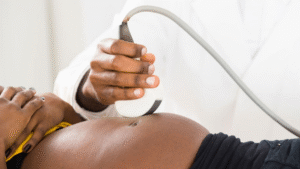
What Are Blood Clots in the Placenta?
Blood clots in the placenta are accumulations of blood that collect within the placenta. This can occur when the blood flow to the placenta is restricted, causing the blood to clot. Blood clots in the placenta can be a serious complication during pregnancy, as they can lead to miscarriage, preterm labor, or fetal growth restriction.
Blood clots in the placenta are not always preventable, but there are steps you can take to reduce your risk. Avoiding activities that can cause trauma to the abdomen, such as heavy lifting or contact sports, can help. You should also avoid smoking and alcohol during pregnancy, as these can increase your risk of developing blood clots in the placenta.
What Are the 14 Main Causes of Blood Clots in the Placenta During Pregnancy?
1. Placental Abruption
Placental abruption is one of the leading causes of blood clots in the placenta. This condition occurs when the placenta prematurely detaches from the uterine wall, resulting in bleeding and the formation of blood clots. Placental abruption can occur at any time during pregnancy but is most common in the third trimester.
Symptoms of placental abruption include vaginal bleeding, abdominal pain, and uterine tenderness. If you experience any of these symptoms, it is important to seek medical attention immediately. Placental abruption can be treated with bed rest and monitoring, or in some cases, surgery may be necessary.
Related: Placenta’s Role in Pregnancy: 7 Key Functions
2. Chronic Hypertension
High blood pressure, or chronic hypertension, is another common cause of blood clots in the placenta.
When blood pressure is elevated, the blood vessels in the body can become damaged, leading to the formation of blood clots. Chronic hypertension can also increase the risk of other complications during pregnancy, such as preterm labor and fetal growth restriction.
Symptoms of chronic hypertension include headaches, vision problems, and shortness of breath. If you have high blood pressure during pregnancy, it is important to work with your doctor to manage your condition. Treatment may include lifestyle changes and medication.
3. Preeclampsia
Preeclampsia is a pregnancy complication characterized by high blood pressure and damage to organs, such as the kidneys. It usually develops after the 20th week of pregnancy and can cause blood clots to form in the placenta.
Preeclampsia can also lead to other serious complications during pregnancy, such as preterm labor and fetal growth restriction.
Symptoms of preeclampsia include high blood pressure, protein in the urine, headaches, vision problems, and upper abdominal pain. Treatment for preeclampsia may include medication, bed rest, and close monitoring of the mother and baby.
Related: Positive Pregnancy Test but No Symptoms: 7 Reasons
4. Blood Clotting Disorders
Certain blood clotting disorders can also lead to the formation of blood clots in the placenta. These disorders, such as antiphospholipid syndrome and Factor V Leiden, cause the blood to clot more easily than normal.
This can increase the risk of blood clots in the placenta, as well as other serious complications during pregnancy, such as miscarriage and preterm labor.
Symptoms of blood clotting disorders may include an increased risk of blood clots, unusual bruising or bleeding, and recurrent miscarriages. Treatment for these conditions may include medication and close monitoring of the mother and baby.
5. Infections
Certain infections can also cause blood clots to form in the placenta. These include bacterial infections such as chorioamnionitis, an infection of the amniotic sac. Infections can interfere with the proper functioning of the placenta, leading to the formation of blood clots.
Symptoms of infections can include fever, abdominal pain, and uterine tenderness. Treatment for infections may include antibiotics and close monitoring of the mother and baby.
Related:7 Tips to Lose Weight During Pregnancy
6. Trauma or Injury
Trauma or injury to the abdomen can also lead to the formation of blood clots in the placenta. This includes injuries such as falls, car accidents, and physical abuse. Trauma or injury can cause the placenta to become damaged, leading to bleeding and the formation of blood clots.
Symptoms of trauma or injury may include pain, tenderness, and bruising in the abdomen. Treatment for this condition may include bed rest and close monitoring of the mother and baby.
7. Multiple Pregnancy
Having more than one baby at a time, or a multiple pregnancy, can also increase the risk of blood clots in the placenta. This is because the placenta may become overstretched or strained, leading to problems with blood flow. Multiple pregnancies are considered high-risk and should be monitored closely by a doctor.
Symptoms of multiple pregnancy include nausea, vomiting, fatigue, and abdominal pain. Treatment for multiple pregnancy may include bed rest, close monitoring of the mother and babies, and medication.
Related: What Is Food Cravings During Pregnancy?
8. Advanced Maternal Age
Women who are of advanced maternal age, or over 35 years old, are at an increased risk of blood clots in the placenta. This is because they are more likely to have preexisting conditions such as hypertension and diabetes, which can increase the risk of blood clots.
Symptoms of advanced maternal age may include an increased risk of preexisting conditions, as well as nausea, vomiting, and fatigue. Treatment for this condition may include close monitoring of the mother and baby, as well as lifestyle changes and medication.
9. Gestational Diabetes
Gestational diabetes is a type of diabetes that develops during pregnancy. It can cause an increased risk of blood clots in the placenta, as high blood sugar levels can lead to changes in the function of blood vessels.
Symptoms of gestational diabetes may include increased thirst, frequent urination, fatigue, and nausea. Treatment for this condition may include lifestyle changes and medication.
Related:12 Pregnancy Tips For Normal Delivery
10. Smoking
Smoking during pregnancy can also increase the risk of blood clots in the placenta. The chemicals in tobacco smoke can reduce blood flow to the placenta, leading to the formation of blood clots.
Symptoms of smoking during pregnancy may include coughing, shortness of breath, and fatigue. Treatment for this condition may include quitting smoking, as well as close monitoring of the mother and baby.
11. Obesity
Obesity is another risk factor for blood clots in the placenta. Excess body weight can lead to high blood pressure, gestational diabetes, and other conditions that can increase the risk of blood clots.
Symptoms of obesity may include fatigue, shortness of breath, and joint pain. Treatment for this condition may include lifestyle changes and medication.
12. Uterine Anomalies
Certain uterine anomalies or abnormalities can also lead to blood clots in the placenta. These include uterine fibroids and other structural issues with the uterus that can affect the placenta. Uterine anomalies can alter the blood flow to the placenta, leading to the formation of blood clots.
Symptoms of uterine anomalies may include pain, tenderness, and abnormal bleeding. Treatment for this condition may include close monitoring of the mother and baby, as well as surgery in some cases.
Related: Crying During Pregnancy: This Is How It Affects the Baby
13. Medication Use
Certain medications can also increase the risk of blood clots in the placenta. These include blood thinners such as heparin or aspirin. If these medications are taken in high doses or used improperly, they can cause the blood to clot more easily, leading to the formation of blood clots in the placenta.
Symptoms of medication use may include an increased risk of blood clots, as well as unusual bruising or bleeding. Treatment for this condition may include close monitoring of the mother and baby, as well as changes in medication.
14. Poor Placental Positioning
Poor placental positioning is another potential cause of blood clots in the placenta. This includes conditions such as placenta previa or placenta accreta. In these cases, the placenta may be positioned abnormally, affecting the blood flow to the placenta and increasing the risk of blood clots.
Symptoms of poor placental positioning may include pain, tenderness, and abnormal bleeding. Treatment for this condition may include close monitoring of the mother and baby, as well as surgery in some cases.
Conclusion
Blood clots in the placenta can be caused by a variety of factors. These include placental abruption, chronic hypertension, preeclampsia, blood clotting disorders, infections, trauma or injury, multiple pregnancy, advanced maternal age, gestational diabetes, smoking, obesity, uterine anomalies, medication use, and poor placental positioning. It is important to be aware of these risk factors and take steps to reduce your risk of developing blood clots in the placenta.
Save the pin for later


- 8 Noticeable Symptoms of a Baby Boy During Pregnancy - November 8, 2025
- 10 Little Things You Should Not Do To Your Breasts - November 6, 2025
- 20 Things A C-Section Mom Should Avoid - November 5, 2025