 Mom with Vibe Team
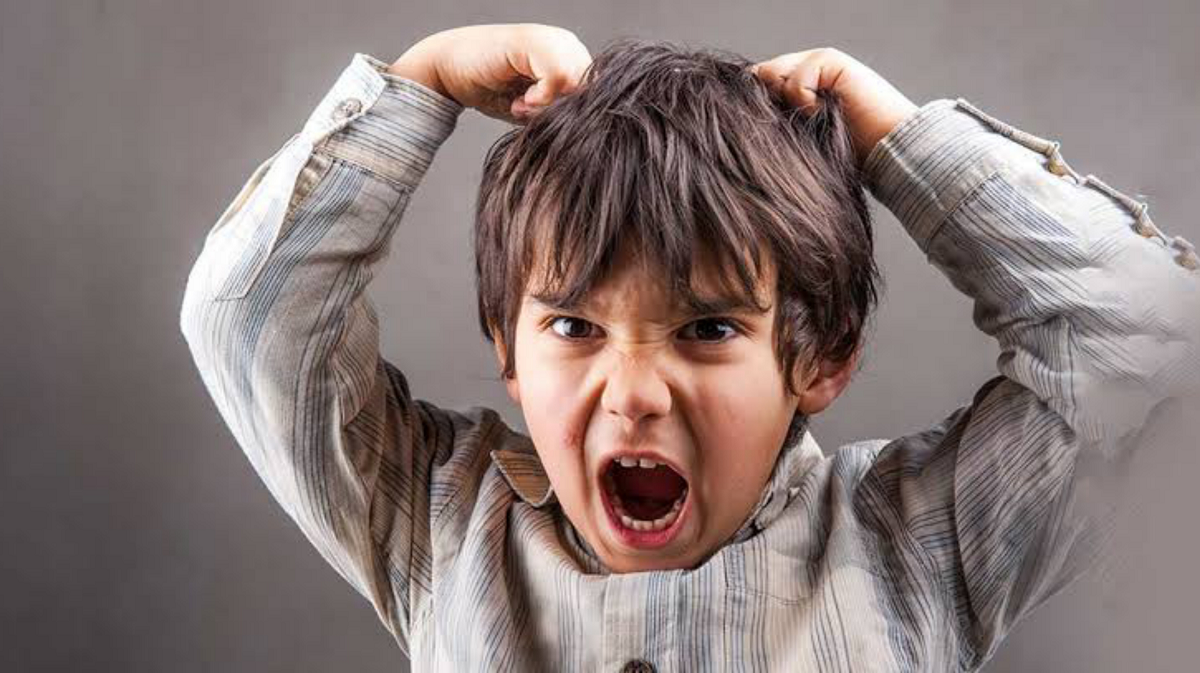
Kids get angry, and no one is better at letting the world know when they’re mad than toddlers and preschoolers. Unlike other emotions, kids often can’t articulate what’s making them so angry. Plus, young children don’t have the experience to know how to handle that big, scary feeling. Kids also tend to lack impulse control, which can be particularly challenging when they’re mad.
To help children figure out how to express themselves and put their best foot forward, we’ve put together these 10 anger management activities. Each of these activities is a fun way to help kids recognize their feelings and choose positive ways to deal with them.

10 Anger Management Activities for Kids
1. Breathing Exercises
Breathing exercises are one of the most effective and simplest ways for kids to calm down. Teaching kids to take a deep breath can help them focus on something other than whatever made them so angry. Deep breathing also helps reduce the physical tension that’s associated with anger.
Activity:
Have your child sit down and take a deep breath in through the nose, counting to four.
Next, have your child hold their breath for a moment, then slowly exhale through the mouth for another count of four.
Repeat this for a few minutes.
Tip: Try using a “breathing ball” to make this more interactive. Your child can use a ball that expands when they inhale and contracts when they exhale.
Related: How to Make Your Kids Listen
2. The Anger Thermometer
Kids can often feel angry, but they may not be able to tell you just how angry they are. The Anger Thermometer is a great visual tool for kids to help them see how their anger is building. It also lets kids know when they need to start taking steps to calm down.
Activity:
Draw a thermometer with a scale from 1-10. Label 1 as calm and 10 as very angry.
Ask your child to color or mark how angry they are on the scale.
Discuss with your child how it feels at each level of the thermometer and think of strategies they can use to calm down at each stage (e.g., deep breathing at a 5, taking a break at 7, and using words at 9).
Tip: Help your child recognize their level of anger early on, so they can take steps to calm down before it becomes too overwhelming.
Related; Halloween Party Ideas for Kids
3. Calm-Down Jar: A Glittery Escape
The Calm-Down Jar is a visual tool that works wonders in helping kids take a mental break. By watching the glitter swirl inside the jar, kids can focus on something other than their anger and allow themselves time to calm down.
Activity:
Fill a clear jar halfway with water.
Add some glitter glue and glitter to the jar and seal it tightly.
Ask your child to shake the jar and then watch the glitter settle as they take deep breaths and think calming thoughts.
Tip: The swirling glitter represents the physical state of their mind when they’re angry, and as the glitter settles down, their anger will settle too. It’s a calming visual to focus on while encouraging mindfulness.
Related: How to Make Your Kids Feel Special Every Day
4. Role-Playing: Practicing Solutions
Sometimes kids need help expressing their feelings in a healthy way. One fun way to practice what they can do when they get angry in real-life situations is through role-playing. Kids can use their imagination to practice handling conflict and frustration in a safe, non-threatening environment.
Activity:
Come up with a role-play scenario that makes your child angry (e.g., someone taking a toy).
Guide your child through different ways they can respond calmly in the situation, such as asking for the toy back politely, sharing, or taking a break.
Switch roles so your child can practice both sides of the role-play.
Tip: Role-playing is a great way to encourage problem-solving skills and build children’s confidence to deal with similar situations when they occur in real life.
5. Art Therapy: Expressing Emotions through Drawing
Art can be an excellent emotional outlet for kids, especially when they can’t quite put their feelings into words. Drawing or coloring allows kids to express themselves without having to verbally communicate how they’re feeling.
Activity:
Give your child some crayons or markers, or colored pencils and a large sheet of paper.
Ask them to draw how they feel when they’re angry. Encourage them to use colors or shapes to express their feelings.
When they’re finished, ask them to explain their picture to you, helping them identify their emotions.
Tip: This activity helps kids not only express themselves but also serves as a great way to open up a discussion about their emotions and how they can manage them.
Related; How To Make Your Kids Happy
6. Mindfulness: Grounding Activities for Calm
Mindfulness is all about focusing on the present moment and is a great way to help kids detach from the overwhelming intensity of their anger. Grounding activities help kids become more aware of their environment and feel more in-tune with the world around them.
Activity:
Ask your child to sit or stand comfortably, then close their eyes.
Instruct them to take five deep breaths, focusing on how their body feels as they breathe in and out.
Next, guide your child to touch and name five things they can see, hear, feel, smell, and taste using all their senses.
Tip: Grounding activities like this are great at redirecting a child’s attention away from their anger and back to the present moment, helping them regain control of their emotions.
7. The “Take a Break” Box: A Personal Space
Sometimes, the best way to help kids manage their anger is to simply remove them from the situation. The “Take a Break” box is a great way to create a personal space for your child to retreat to when they feel overwhelmed. The idea is that they can go to their safe space and calm their mind when they’re feeling angry.
Activity:
Fill a box with a few calming items like a stress ball, a soft blanket, a favorite book, or a small puzzle.
Let your child know that when they’re feeling angry, they can go to their “Take a Break” box to help calm themselves.
Encourage them to use their space for a few minutes before returning to the situation.
Tip: Giving kids their space to retreat to when they’re angry can help them calm down before they try to re-enter a situation.
8. Exercise: Letting Off Steam
Exercise is a great way for kids to channel their energy and frustration in a positive way. Physical activity also helps release endorphins, which are the brain’s “feel-good” chemicals, improving moods and relieving stress.
Activity:
Set up an obstacle course in your backyard or living room using pillows, chairs, and other items.
Have your child run through the course a few times, using their energy to let off some steam.
Alternatively, you can have them do some jumping jacks, dance, or even go for a run or a walk with you.
Tip: Exercise is a great active way to release kids’ anger and help them feel better afterward.
9. Journaling: Writing It Out
Journaling is a powerful anger management activity that’s best suited for older children. Writing about what made them angry and how they’re feeling can help kids process their emotions. It also gives them a chance to consider why they’re feeling a certain way and what they can do to change it.
Activity:
Give your child a journal or notebook where they can express their feelings.
Encourage your child to write about what made them angry, how they felt, and what they could do to feel better.
If your child is more of a doodler than a writer, they can also draw pictures in their journal.
Tip: Journaling is a private, reflective way for kids to explore their emotions and cope with their feelings.
10. The Compliment Jar: Shifting Focus to Positivity
Focusing on the positive is a great way to help shift your child’s mindset when they’re feeling angry. The Compliment Jar helps kids focus on the things that they do well, which can help them feel better about themselves and shift their thinking away from the things that made them so angry.
Activity:
Set up a jar for family members to leave one another positive notes and compliments.
Ask your child to pick a note from the jar when they’re feeling angry.
Encourage them to add their own positive notes and compliments for others to enjoy as well.
Tip: The Compliment Jar is a great reminder for kids of their self-worth and a way to help them shift their thinking toward a more positive mindset.
Wrapping Up:
Kids get angry. No one is better at letting the world know when they’re angry than toddlers and preschoolers.
Unlike other emotions, kids often can’t articulate what’s making them so angry, and that frustration only compounds their anger. Kids also lack impulse control, which makes anger particularly challenging for them to manage.
To help kids express themselves and present their best selves, we’ve put together these 10 anger management activities. All these activities are fun ways to help kids recognize their feelings and choose positive ways to deal with them. So, let’s jump into these activities that will help you manage your child’s anger.
Save pin for later

- 10 DIY Sensory Play Activities for Toddlers - March 12, 2026
- 12 Family Organization Systems for Busy Moms - March 12, 2026
- How to Change a Diaper: A Step by Step Guide - March 11, 2026