

The kids are fed, the dishes are done, and now they’re staring at you with that look: “We’re bored.” Every sitter knows this moment, and how you handle it determines whether the parents come home to a happy kid or a household that barely survived the evening.
The truth is, a great sitter gets remembered for the fun, not just the supervision. But keeping a toddler, a seven-year-old, and a preteen entertained (safely) takes more than luck. It takes a plan.
That’s what this list is for. Below you’ll find 25 babysitting activities ideas organized by age, energy level, and time of day, so you can match the right activity to the right kid at the right moment, without a lot of setup or mess. Keep scrolling and you’ll never be stuck for an idea again.
Babysitting Activities Ideas That Keep Kids Happy and Engaged
Any sitter can switch on a cartoon. The ones parents rebook arrive with a plan, because bored kids get fussy fast and fussy evenings rarely earn repeat bookings. Matching an activity to a child’s age and mood matters more than the activity itself. A puzzle that delights a five-year-old will bore a nine-year-old, and a high-energy game at bedtime is asking for trouble. The ideas in this guide cover every combination, so you always have a next move.
Why a Little Planning Goes a Long Way
While parents gather their keys and coats, use your first ten minutes as a briefing window. Ask which toys are favorites right now, which shows are allowed, and what the bedtime routine actually looks like. Parents love a sitter who asks these questions, and you’ll skip an hour of guesswork later. Sitters call this the 10-minute rule, and it works every single time.
Then build a small activity bag of your own. Stock it with crayons, stickers, a deck of cards, a mini puzzle, and a bouncy ball. It costs next to nothing and fits inside a tote. The moment boredom hits, you pull out something the kids haven’t seen, and the room resets on the spot. That kind of preparation is what turns a one-time gig into a regular Friday night.
Reading the room counts just as much. A kid fresh off a long school day often wants something calm first, while a restless one needs to burn energy before anyone can sit still.
Quick Tips Before You Start Any Activity
Before the first game begins, give the space a quick safety pass. A minute of prevention beats an evening of stress.
- Walk the main play area and move cords, trip hazards, and breakables out of reach.
- Check for small parts if a toddler is around; anything that fits through a toilet paper tube is a choking risk.
- Confirm snack rules with the parents before you open the pantry, because allergies and limits differ in every house.
- Keep screen time within whatever guidelines the parents set, even when a show feels like the easy answer.
Once the floor is clear and the rules are straight, settle in and enjoy it. Kids can sense a relaxed sitter, and relaxed sitters make every activity land better.
Fun Indoor Activities for Every Age Group
The fastest way to lose a kid’s attention is offering something meant for the wrong age. A two-year-old can’t follow scavenger hunt clues, and a ten-year-old will check out the second you suggest peek-a-boo. This section breaks down ideas by age group so you can walk in with a plan that fits the kid in front of you. Each list sticks to things you can do indoors, with supplies most families already have on hand.
Activities for Babies and Toddlers (Under 3)
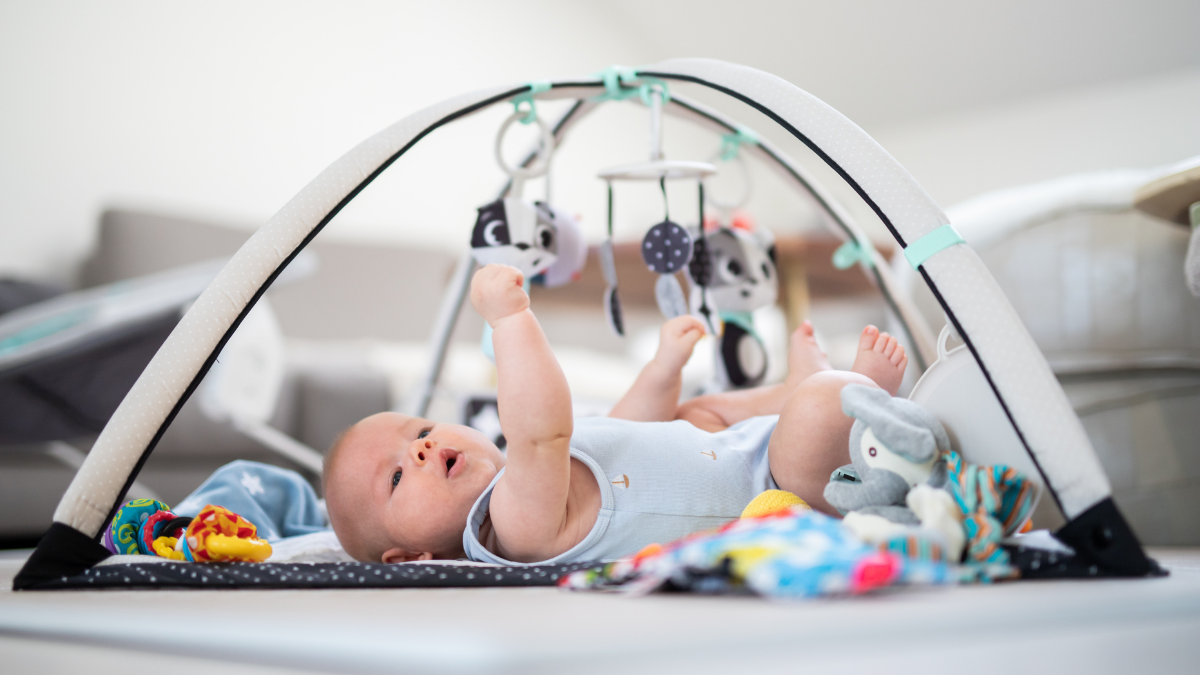
At this age, your job is simple: keep things safe, repetitive, and full of face time. Babies and toddlers learn through repetition, so don’t worry if they want the same game twenty times in a row.
- Peek-a-boo and pat-a-cake never fail, because babies love familiar faces and sounds.
- Stacking cups keep little hands busy, and knocking them down is half the fun.
- Nursery rhyme sing-alongs with hand motions (Itsy Bitsy Spider is a classic) hold attention surprisingly well.
- Board books read aloud work even if the child doesn’t follow the story yet; the rhythm of your voice does the work.
- Blanket forts for crawling turn a corner of the living room into an adventure without buying a thing.
One caution on sensory play: use only large, safe items like plastic bowls, wooden spoons, or soft fabric squares. Anything smaller than a ping pong ball goes straight back in the drawer. For more age-specific guidance, browse additional babysitting activities ideas built around little ones.
Activities for Preschoolers (Ages 3 to 5)
Preschoolers have big imaginations and short fuses, so mix pretend play with physical games. They’re old enough to follow simple rules but young enough to need you playing alongside them.
Try pretend play first. Set up a “restaurant” with paper menus, or play doctor with stuffed animals as patients. A treasure hunt with picture clues works too, since they can’t read words yet. Play-Doh is another reliable winner; just keep it away from toddlers and carpets. When energy spikes, freeze dance burns it off in five minutes flat. Hide and seek never gets old, though you’ll need to establish safe hiding spots first. Wind things down with puzzle races, where you cheer them on as they beat their own best time.
Activities for School-Age Kids (Ages 6 and Up)
Older kids will call out anything babyish, so treat them like the big kids they are. Competition and creativity are your best friends here.
Card games like Uno and Go Fish are easy to teach and hard to outgrow. A scavenger hunt with written clues adds a challenge, and older kids can even help write clues for younger siblings. Building challenges with LEGO or blocks land well; try “build the tallest tower in ten minutes.” If the kitchen is allowed, simple baking like decorating cookies doubles as a snack. For rowdy evenings, a couch-cushion obstacle course burns serious energy, and storytelling games where you alternate sentences make a great wind-down before bed.
Matching the game to the age is half the battle. Get that right, and the evening takes care of itself.
Outdoor and Active Games to Burn Off Energy
Some days the kids have energy to spare, and no craft or movie will touch it. When the sun is out, take the fun outside and let them run. Physical play tires kids out in the best way, and it usually makes bedtime smoother for everyone, including you.
Backyard Games With Little or No Equipment
The best backyard games need nothing but space and a little imagination. These classics work for mixed age groups, and you can start one within a minute of stepping outside.
- Red Light, Green Light teaches listening skills and burns energy in short bursts.
- Tag variations like freeze tag or flashlight tag keep things fresh when plain tag gets old.
- Simon Says works anywhere, and younger kids love being “Simon” for a round.
- Sidewalk chalk opens up hopscotch grids, race tracks, and giant murals.
- Bubble chasing is perfect for toddlers; blow bubbles and let them pop as many as they can.
- Nature scavenger hunts send older kids hunting for a pinecone, a yellow leaf, or something that starts with the letter B.
If you want more structured ideas for outdoor play, the ideas in this guide on babysitting activities cover every age group.
Rainy Day Movement Games Inside the House
Weather doesn’t always cooperate, but restless kids still need an outlet. A little cleared space is all these indoor games require, and a roll of painter’s tape goes a long way.
Make indoor hopscotch by taping a grid onto the floor, then let them toss a sock as the marker. Balloon volleyball is another favorite; string up a jump rope across the room and keep the balloon off the carpet. For a quick burst of giggles, try animal walk races, where kids hop like frogs or waddle like penguins across the hallway. Freeze dance works just as well indoors as out, and it needs only a phone for music. Finish with hallway bowling using plastic cups stacked in a triangle and any soft ball.
A quick tip before you start: move anything fragile out of the play zone first. Parents will thank you when they come home to intact lamps and tired, happy kids.
Quiet and Calm Activities for Wind-Down Time
After dinner, the goal flips. You want to slow kids down, not rev them up, because a wired child at 8 p.m. makes bedtime harder for everyone. The trick is choosing activities with low stimulation and a natural stopping point. Loud games, roughhousing, and anything with a scoreboard should stay in the closet until morning.
Screen-Free Wind-Down Ideas
Screens are tempting, but many parents restrict evening screen time because it delays sleep. These quieter options keep kids engaged without the glow of a device.
- Picture books read aloud are the classic for a reason. Let each child pick one, and use different voices for the characters to hold their attention.
- Coloring and drawing calm busy minds. Ask kids to draw “the best part of their day” and they’ll often tell you the whole story while they sketch.
- Audio stories or kids’ podcasts work well when you need both hands free for a younger sibling. Podcasts like Story Pirates give kids something to listen to while they settle onto pillows.
- Gentle stretching becomes a game when you call it “yoga pretend play.” Have them stretch like a cat, balance like a flamingo, or curl up like a sleepy bear.
- Stickers and quiet crafts fill the last half hour before pajamas. A single sticker sheet can buy you twenty peaceful minutes with a preschooler.
Keep the lights dim during these activities if you can. Bright overhead lighting tells young bodies it’s still daytime.
Making Bedtime Easier With a Calm Routine
Kids fight bedtime when it feels like a surprise. A predictable sequence prevents most of those battles, because children know exactly what comes next and have less to argue about.
A simple order that works in almost any house: cleanup, pajamas, teeth, one book, lights out. Walk through it the same way every time and say each step out loud. “First we put the blocks away, then we pick pajamas.” The cleanup step matters more than it looks. Leaving the playroom tidy and the dishes in the sink is one of the fastest ways to impress parents, and it signals you respect their home.
Stick to the routine even when kids push back. Consistency tonight makes tomorrow’s sitting job easier too.
Indoor Games That Actually Hold Their Attention
Rainy afternoons and long evenings indoors are where babysitting skills get tested. The good news is you don’t need a toy box full of fancy gadgets. A deck of cards, some household items, and a bit of energy go a long way. Here are games that work for different ages and moods, so you always have something ready.
Active Games for Burning Energy
When kids get restless, physical games save the day. These need little space and almost no setup:
- Freeze dance requires only your phone and a playlist. Kids dance while the music plays and freeze when it stops. Anyone caught moving sits out one round.
- Indoor obstacle course works with pillows, chairs, and tape on the floor. Time each run and let them beat their own record.
- Balloon keep-up challenges kids to keep a balloon off the ground. Add rules like “only left hands” to keep it fresh.
- Animal charades gets everyone moving and laughing. Kids act out animals while others guess.
Always clear the play area of sharp corners and breakables first. A quick scan of the room prevents most accidents.
Quiet Games for Wind-Down Time
After dinner or before bedtime, kids need calmer options. I Spy works anywhere and needs zero supplies. Twenty Questions sharpens thinking skills and stretches attention spans. Story building, where each person adds one sentence to a tale, often produces silly results kids love.
Puzzles and coloring books are solid backups too. Bring a small activity kit with crayons, stickers, and paper if the family doesn’t have these on hand.
Matching Games to the Child’s Age
The game you pick matters as much as the game itself. Toddlers do best with simple, repetitive activities like peek-a-boo, stacking cups, or singing songs with hand motions. Preschoolers can handle freeze dance, hide-and-seek, and basic board games. School-age kids enjoy card games like Go Fish, scavenger hunts with written clues, and building challenges with blocks or LEGO.
Older kids around 10 and up often prefer video games, crafts, or cooking projects. Ask what they like early on. A child who chooses the activity stays engaged twice as long.
Keep a Rotation Going
Even a great game gets boring after twenty minutes. Plan three or four options before you arrive, then switch when attention fades. Announcing the next activity with a little enthusiasm (“Who wants to try something sneaky next?”) makes transitions smoother and keeps the evening moving without meltdowns.
Calm Indoor Games for Wind-Down Evenings
After dinner or before bedtime, kids need calmer options. Loud, active games at night can push bedtime back by an hour, so the goal shifts from burning energy to settling down. These quiet games still keep kids engaged, but they slow the pace and make the transition to sleep much easier.
Quiet Games That Still Feel Fun
Calm doesn’t have to mean boring. A few low-key games work beautifully in the evening and need almost no setup.
- I Spy with a twist asks kids to find something soft, something round, or something blue. Adding categories makes it more of a puzzle than a quick glance-around game.
- Twenty Questions works well for kids five and up. One person thinks of an animal, food, or household object, and everyone else narrows it down with yes-or-no questions.
- Story chain has each person add one sentence to a growing story. Because there’s no right answer, even shy kids join in without pressure.
- Sorting games use buttons, socks, or blocks. Kids group items by color, size, or shape, which keeps little hands busy while their energy drops.
Keep the lights soft and voices low during these games. The environment does half the calming work for you.
Bedtime-Friendly Rituals That Feel Like Play
Some wind-down activities blur the line between game and routine, and that’s exactly the point. A familiar sequence tells your child that sleep is coming without a single argument.
- Guess the sound challenges kids to identify quiet noises, like tapping, crinkling paper, or a closing door. Play it with eyes closed for an extra challenge.
- Counting backwards together gives restless minds something to focus on. Start at 100 and count down in whispers.
- Name three good things invites each child to share three happy moments from the day. It ends the evening on a warm note and doubles as gratitude practice.
Pick one or two and repeat them nightly. Consistency matters more than variety here, because the repetition itself is what signals bedtime. Within a week, most kids start settling faster simply because they know the routine. A predictable, playful wind-down beats a nightly bedtime battle, and it costs nothing to try tonight.
Conclusion
Great babysitting comes down to three things: matching activities to the child’s age, planning ahead with a small activity bag, and balancing active play with calm wind-down time. Communicating with parents before the kids get bored ties it all together and makes every evening easier.
You don’t need to master all 25 ideas at once. Pick two or three new activities from this list and try them at your next job. The more tools you have ready, the faster you become the sitter families ask for by name.
Bookmark this post so it’s on your phone before your next gig, and share it with a friend who babysits. Happy kids, tidy rooms, and smooth bedtimes are just good planning away.
Save pin for later


- Best Life Advice For Your Kids - September 24, 2026
- Unisex Baby Names Ideas - September 24, 2026
- Sweet Delicious Dinner Ideas For Family - September 24, 2026