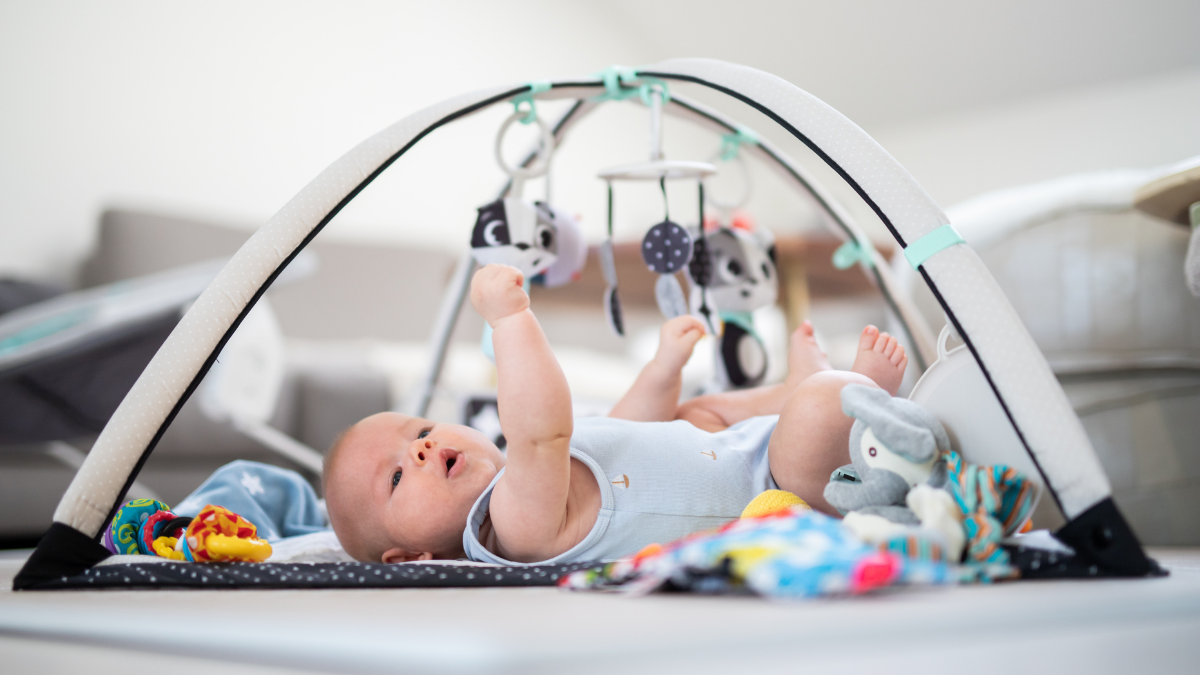
Summer mornings can feel hard to manage when school is out, plans change, and the day heats up fast. A flexible routine can give your family a calmer start without turning vacation into another strict schedule.
Choose a few ideas that fit your children’s ages, energy, and plans, then adjust as needed. These 100 simple options are here to mix and match; sleep, hydration, sun safety, and realistic expectations matter more than doing them all. Start with a few that suit your family, then find a rhythm that works for the morning ahead.
Summer Morning Routines for Family Life That Starts Smoothly
A calm summer morning doesn’t need a strict schedule. A few steady cues can help everyone wake, get dressed, and ease into the day, even when plans change.

Wake up with less rushing
Try one or two ideas at a time. Small changes, such as opening the curtains or setting out clothes, can make the first 15 minutes feel less hurried.
- Open the curtains soon after waking so natural morning light helps signal that the day has begun.
- Set a gentle alarm with a soft tone, and place it far enough away that you need to sit up to turn it off.
- Play a familiar, low-volume song as a cheerful cue to get moving.
- Keep a simple morning checklist where kids can see it, with only the steps they need to remember.
- Give everyone a few unhurried minutes to stretch, use the bathroom, and wake up before asking them to start tasks.
- Lay out clothes the night before, including a backup outfit for spills or unexpected messes.
- Build in time to get dressed without rushing, especially for younger children who want to choose what they wear.
- Offer two weather-appropriate outfit choices so kids can make a decision without getting stuck.
- Keep essentials such as glasses, hairbrushes, and sandals in a familiar spot, ready for the morning.
- Use a predictable order, such as bathroom, clothes, and breakfast, so children know what comes next. For more ideas, explore these organized family morning routines.
Keep summer sleep flexible but steady
Summer can include late dinners, fireworks, and visits with friends. A consistent sleep rhythm gives kids room for occasional exceptions without turning every morning into a reset.
- Choose a usual wake time that works for your family, then keep it fairly consistent on most days.
- Let sleep-in days happen occasionally, but avoid shifting the morning by several hours if you can.
- After a late night, return to the usual wake time the next day rather than extending the shift all week.
- When school is approaching, move bedtime earlier in small increments over several nights.
- Adjust wake time gradually, too, so children aren’t suddenly expected to get up much earlier.
- Keep the bedtime routine short and familiar, even when the evening runs late.
- Make the last part of the evening device-free, with reading, quiet conversation, or a bath instead.
- Set a family screen cutoff and charge phones or tablets outside the bedroom when practical.
- Keep the room cool and dark enough for sleep, especially during bright, warm summer evenings.
- Protect age-appropriate sleep: CDC guidance recommends 9 to 12 hours for children ages 6 to 12 and 8 to 10 hours for teens per 24 hours.
Make Hydration and Sun Safety Part of the Morning
A few repeatable habits can help everyone feel ready before summer plans get underway. Build water, sun protection, and heat-aware timing into the routine, then adjust for your children’s ages and the day’s forecast.

Build easy hydration habits
Water is easier to remember when it’s part of the plan, not an afterthought. Try a few of these routines and follow your clinician’s advice for infant feeding and hydration.
- Keep clean, refillable water bottles near the door so everyone can grab one before heading outside.
- Offer water with breakfast, especially before a morning walk, playground visit, or sports practice.
- Fill each child’s bottle as part of getting dressed, then check that the lid is secure.
- Invite kids to take a few sips before outdoor play, rather than waiting for them to say they’re thirsty.
- Bring water along on short errands, too, since a warm car or sidewalk can make a quick trip feel hotter.
- Plan regular water breaks during play, particularly when children are running or spending time in direct sun.
- Refill bottles before leaving home for a park or trail, and locate a water fountain if you’ll be out longer.
- Offer water after active play and again when everyone comes inside to cool down.
- Pack extra water for outings where refill stations may not be available.
- For babies, stick with your pediatrician’s guidance on breast milk, formula, and any additional fluids.
Get everyone ready for the sun and heat
A quick weather check can shape the whole morning. Choose lighter activities or stay indoors when local heat advisories call for extra caution.
- Check the forecast and local heat advisories before choosing an outdoor activity.
- Plan outdoor play for the cooler morning hours, before the day’s hottest period.
- Choose loose, lightweight clothing in light colors to help kids stay more comfortable in the heat.
- Set out a sun hat before breakfast so it’s ready to wear when you leave.
- Pick a playground or picnic spot with natural shade, or bring an umbrella for breaks.
- For children older than 6 months, apply sunscreen as directed before going outside. The American Academy of Pediatrics’ sun safety guidance explains how to protect children’s skin.
- Reapply sunscreen according to its directions, especially after swimming, sweating, or towel-drying.
- Keep babies 6 months and younger out of direct sun, using shade and protective clothing instead of sunscreen.
- Swap a sunny outing for a shaded walk, water play, or an indoor activity when the heat index is high. For ideas, browse these summer activities for toddlers.
- Never leave a child alone in a parked car, even for a quick stop or with the windows open.
Make breakfast and getting ready easier for everyone
A few repeatable choices can make summer mornings feel lighter, especially when the heat makes a big meal less appealing. Keep meals simple and steps predictable, then adjust for home days, camp, or an outing.
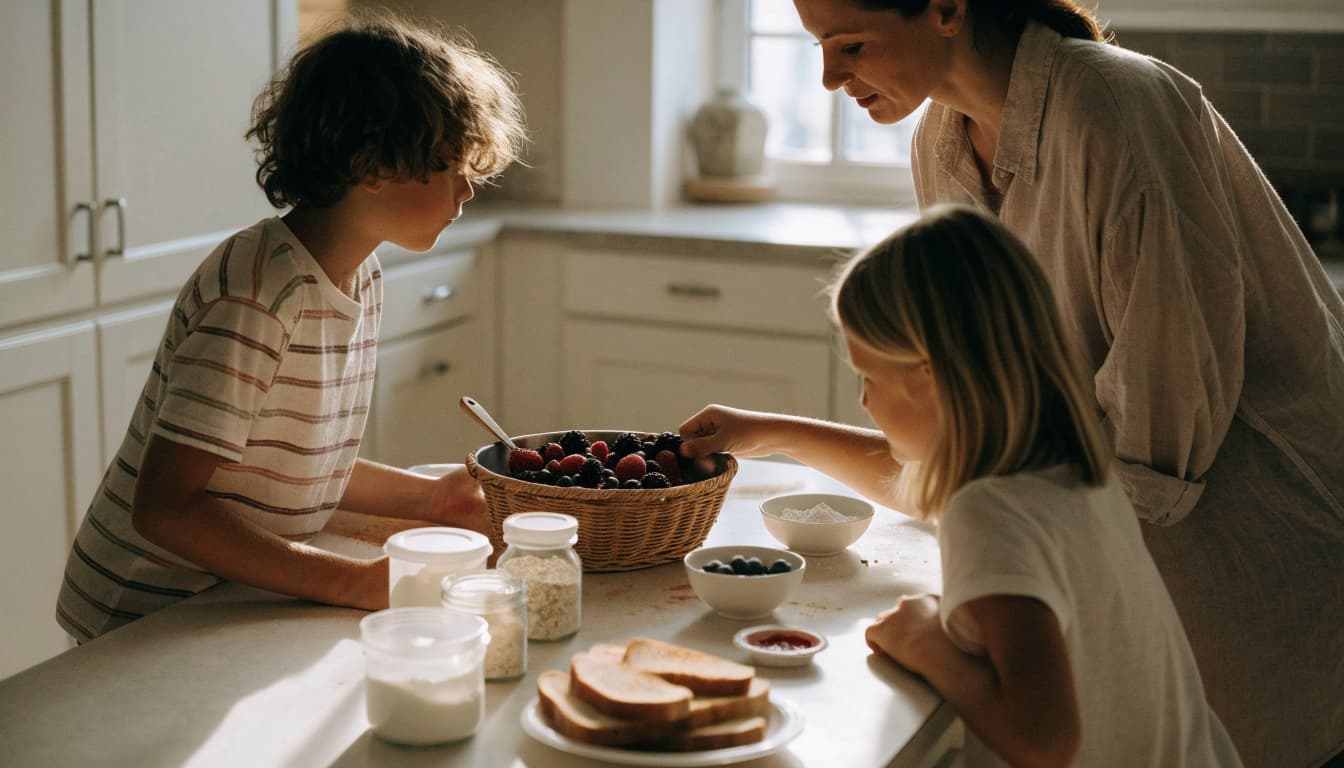
Choose quick breakfasts kids can help make
Offer a couple of options rather than expecting everyone to eat the same thing. These ideas pair easy foods with age-appropriate jobs; use USDA MyPlate food group guidance as a flexible reference.
- Set out yogurt and berries, and let kids choose their toppings.
- Serve overnight oats from the fridge; children can add sliced fruit.
- Offer toast with a choice of spreads, and let kids place slices on a plate.
- Scramble eggs while a child sets out forks and napkins.
- Put bananas, apples, or melon on the table for a quick, light breakfast.
- Make a simple fruit-and-yogurt bowl for kids who prefer smaller portions.
- Offer oatmeal with optional nuts or seeds for children who enjoy extra texture.
- Pair a boiled egg with toast or fruit when everyone needs something portable.
- Let kids build a small parfait with yogurt, fruit, and a little cereal.
- Keep a familiar backup, such as toast or a piece of fruit, for selective appetites.
Use a simple get-ready checklist
A short sequence helps kids know what comes next without turning the morning into a strict schedule. Families can also use a simple morning routine for moms to plan the night-before tasks.
- Wash faces and hands after getting up, then put pajamas in the hamper.
- Get dressed before breakfast, or save clothes for afterward if that works better at home.
- Brush teeth after eating, with an adult helping younger children as needed.
- Set out hats, sandals, or swimwear the night before, based on the day’s plans.
- Pack snacks in the morning or prepare them the night before; keep perishable items refrigerated.
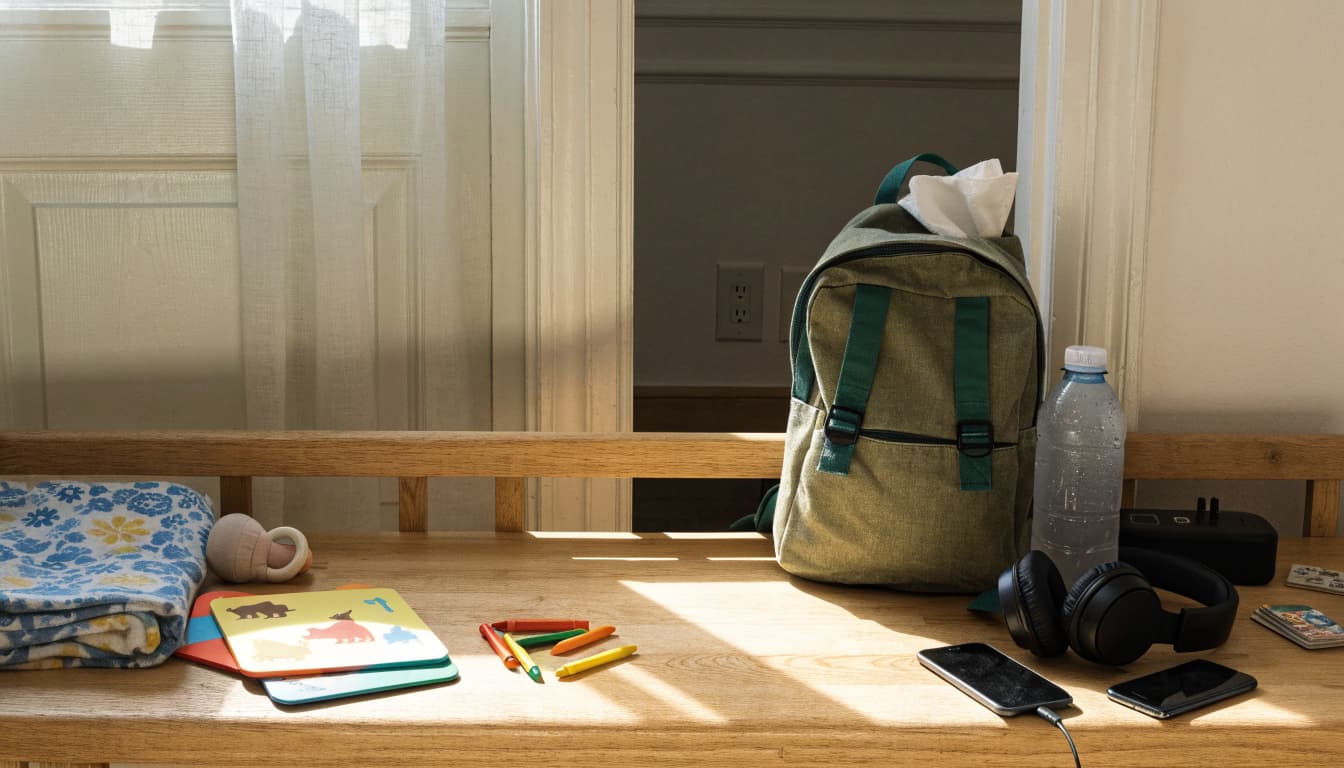
- Add a water bottle and any camp forms, books, or activity supplies to the bag.
- Place essentials by the door so an outing doesn’t begin with a search.
- Clear breakfast dishes into the sink or dishwasher after eating.
- Wipe the table and return easy-to-store items to their usual spots.
- Check the plan together, then skip steps that don’t apply on a relaxed home day.
Use cool morning hours for movement, play, and connection
Early hours can make outdoor play more comfortable before the day heats up. Keep activities brief, choose shade, and check local weather alerts before heading out. Take water breaks, pause often, and move indoors if it already feels too hot.

Try active outdoor routines before the day heats up
A short activity is plenty for a summer morning. Pick one idea, then let the kids decide when they’re ready for a break.
- Take a relaxed walk around the block and look for birds, flowers, or interesting clouds.
- Ride bikes or scooters on a quiet path, wearing helmets and sticking to a shaded route.
- Play catch with a soft ball in the yard or at a nearby park.
- Make a quick backyard obstacle course with cones, chalk marks, or cushions.
- Try a few family stretches under a tree, with each person choosing one movement.
- Water plants together, then let children gently spray leaves with a hose.
- Set up a small water-play spot in the shade, with close adult supervision. Find more backyard water activities for kids.
- Draw a hopscotch grid with sidewalk chalk and take turns hopping through it.
- Toss a beanbag or rolled-up socks into a bucket for an easy target game.
- Walk to a nearby green space for a short nature scavenger hunt.
Keep active play in short windows, especially as temperatures rise. The American Academy of Pediatrics’ guidance on heat and active kids recommends taking breaks and paying attention to heat conditions.
Make room for calm play and family connection
Not every child wants to run around first thing. Offer quieter choices, and keep an indoor swap ready for rainy mornings or rising temperatures.
- Read a favorite book together on a shaded porch or under a tree.
- Bring sketchbooks outside and draw leaves, flowers, or whatever catches each child’s eye.
- Water a few plants with a small watering can, then check which ones need care.
- Play a familiar song and invite everyone to listen, hum, or choose the next track.
- Have a short family check-in: share one thing each person hopes to do today.
- Set out a simple puzzle or coloring pages at the kitchen table.
- Listen to an audiobook or a short podcast while everyone relaxes indoors.
- Let a child help with one small task, such as sorting library books or folding napkins.
- Make a nature sketch from a window when rain keeps everyone inside.
- Create a quiet reading corner with pillows, books, and a cool drink nearby.
If the forecast calls for heat or rain, swap outdoor plans for drawing, music, or a read-aloud at home. A few minutes of shared attention can make the morning feel connected, even when the family stays indoors.
Adapt the routine to your children’s ages and your family’s real life
A summer morning routine can be a short sequence, not a packed schedule. Choose a few steps that fit your children’s ages, your household, and the day ahead, then change them when needed.
Choose age-appropriate routines from babyhood through the teen years
Babies depend on caregivers, while older children can take on more responsibility. For infant feeding and care, follow your pediatrician’s guidance. These age-appropriate activity ideas for kids can also help you find simple ways to involve children as they grow.
- With a baby, start with feeding, a diaper change, and a few minutes of cuddling.
- Let a toddler choose between two outfits, then help put pajamas in the hamper.
- Offer a board book or a familiar song while you prepare breakfast for a young child.
- Invite preschoolers to pick between two calm activities, such as blocks or coloring.
- Give a preschooler one small job, like carrying napkins to the table.
- Ask school-age kids to get dressed and pack a book or activity for later.
- Let older children fill their own water bottles before an outing.
- Give a teen time to wake up, then agree on a shared breakfast or departure time.
- Use a picture checklist for children who need a visual reminder of the next step.
- Keep a shorter version for slow starts: get dressed, eat, and gather what you need.
Set screen boundaries and keep a backup plan
Screen limits work best when they fit your household and children’s needs. Decide together when devices can come out, and keep a few easy alternatives ready for rainy weather or low-energy mornings. The AAP’s Family Media Plan offers a way to set and revisit household expectations.
- Start the morning with books, music, or conversation before anyone reaches for a screen.
- Charge phones and tablets outside bedrooms overnight when that works for your family.
- Pick a planned screen time, such as after breakfast or once everyone is ready.
- Keep meals screen-free if that helps your family connect and stay on track.
- Ask older kids to leave phones charging until their morning responsibilities are done.
- Agree on a simple device rule together, then adjust it during vacations or busy weeks.
- On rainy mornings, swap outdoor plans for puzzles, drawing, or screen-free indoor activities for kids.
- When energy runs low, put on music for a quiet stretch or a short tidy-up.
- Keep a small basket of books and simple games where children can reach it.
- If a plan falls apart, choose one next step and let the rest wait.
Conclusion
You don’t need all 100 summer morning routines to build a calmer start. Choose a few that fit your children’s ages and sleep needs, the weather, and your plans, then adjust as summer changes.
A steady routine can still leave room for slow mornings and unexpected plans. Try one small routine tomorrow, and see if it works for your family. For more ideas, explore a flexible summer routine with activities for kids.
Save pin for later


- 100 Summer morning routines for family - September 26, 2026
- 15 Healthy smoothie recipes for your baby - September 26, 2026
- Bed workout tips for moms - September 26, 2026