You’ve felt that worry when your baby’s growth spurt hits and your milk supply dips, especially amid stress or fatigue. It happens to many new moms, but snacks to increase breastmilk supply can help by delivering extra calories, hydration support, and key nutrients that act as natural galactagogues.
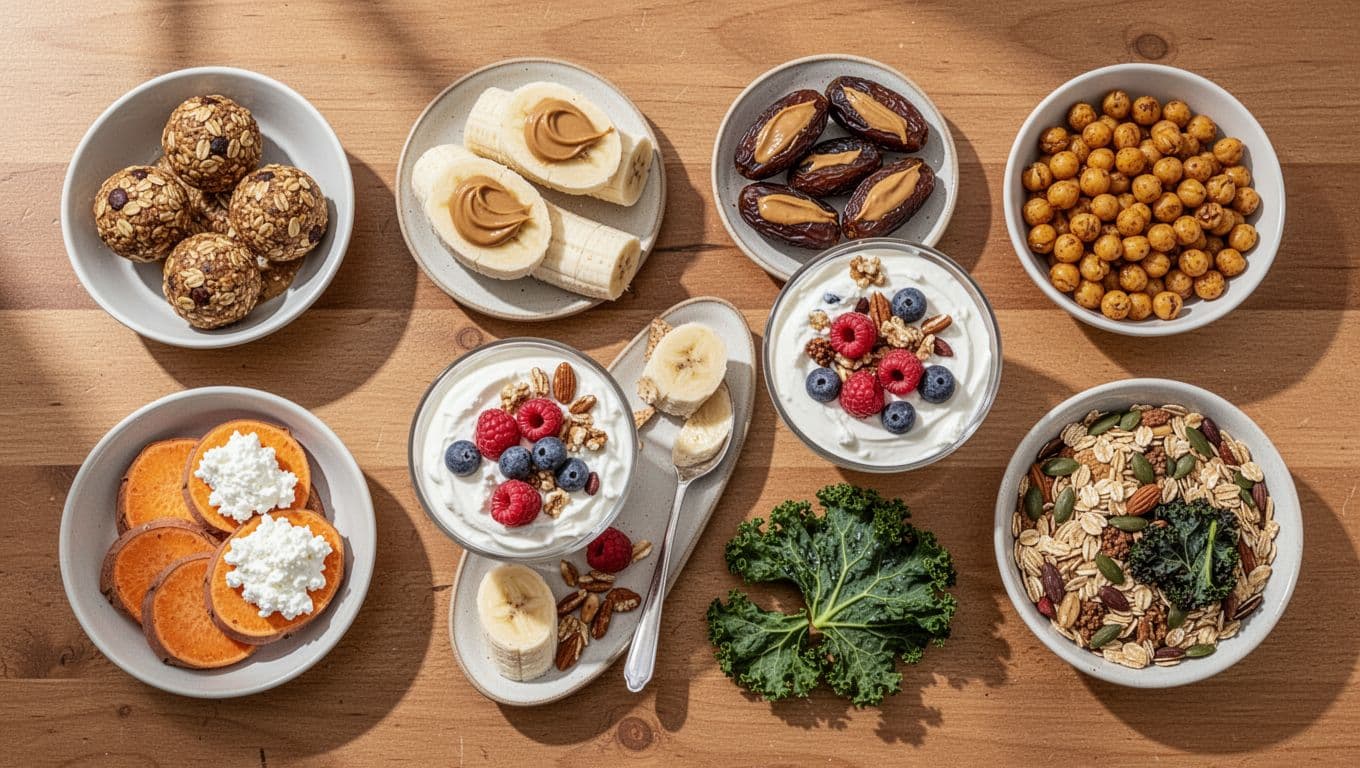
Here are eight simple ones backed by parent experiences and 2026 lactation nutrition trends: oatmeal energy bites, bananas with peanut butter, nut butter-stuffed dates, roasted chickpeas, Greek yogurt with berries and nuts, sweet potatoes with cottage cheese, kale chips, and trail mix with oats and seeds. Pair them with frequent nursing, plenty of water, rest, and a chat with your doctor or lactation consultant first, since results vary.
These snacks come together fast and fit one-handed snacking during feeds, so keep reading for easy recipes and tips.
How Snacks Fuel Your Body to Make More Milk
Your body works hard to produce breast milk. It burns about 500 extra calories each day during nursing. Snacks to increase breastmilk supply deliver those calories fast, plus key nutrients your body craves. They keep energy steady so prolactin, the milk-making hormone, stays high.
Think of snacks as quick refueling stops. Full meals take time to digest. Snacks hit your system right away, especially during cluster feeds or growth spurts. You get protein for tissue repair, fats for milk volume, and carbs for quick energy. Plus, many carry galactagogues, natural boosters like oats that signal your body to ramp up production.
Water-rich options also help. Dehydration cuts supply, so hydrating snacks keep fluids flowing. Eat them often, and you’ll notice fuller breasts sooner. Always pair with nursing on demand.
Calories Keep Production Steady
Nursing pulls energy from your diet first. Low calories mean your body taps reserves, which drops supply over time. Snacks provide 200 to 300 calories per serving without overwhelming your stomach.
For example, trail mix packs dense energy from nuts and seeds. It sustains you through night feeds. Studies show mothers who eat enough calories maintain higher prolactin levels. Aim for 1,800 to 2,200 daily total, with snacks filling gaps.
Protein Builds Milk Proteins
Breast milk is 90% water but rich in proteins like casein and whey. Your body needs 71 grams daily while nursing. Snacks with Greek yogurt or chickpeas supply that easily.
Protein also curbs hunger, so you snack smarter. It repairs tissues stressed by delivery and feeding. Without enough, fatigue sets in, and supply dips. Choose complete proteins from dairy or nuts for best results.
Healthy Fats Boost Volume and Flow
Fats make up 4% of milk and help baby absorb vitamins. Omega-3s from seeds improve fat content too. Nut butters and avocados in snacks deliver these fats quickly.
Your liver uses dietary fats to enrich hindmilk, the creamy part babies love. Low fat intake thins milk. Snacks like dates stuffed with almond butter fix that fast. They also satisfy cravings common in early postpartum.
Carbs and Fiber from Whole Grains
Oats top the list here. Beta-glucan in oats raises prolactin directly. A bowl or energy bites sparks production within hours.
Other grains like barley work the same way. They stabilize blood sugar, preventing crashes that halt let-down. Fiber keeps digestion smooth, another supply helper. Skip refined carbs; they spike then drop energy.
Vitamins and Minerals Fill Gaps
Iron from kale chips fights anemia, which tanks supply. Calcium in yogurt supports contractions for ejection reflex. Zinc aids hormone balance.
These micros work together. A varied snack plate covers bases. For more on how to increase breast milk supply, check proven tactics. Results build with consistency.
Oatmeal Energy Bites for Steady Milk-Boosting Energy
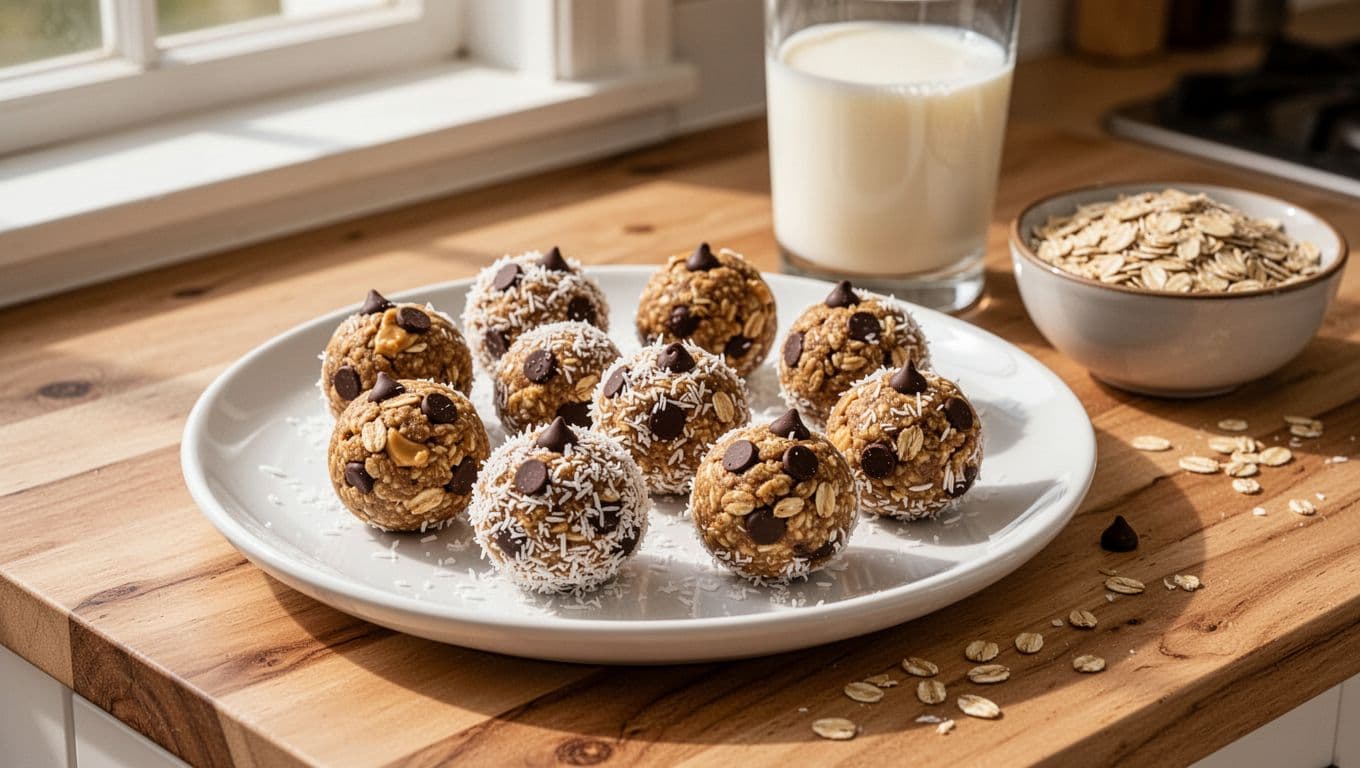
Oatmeal energy bites top the list of snacks to increase breastmilk supply. Nursing moms love them because oats deliver iron and fiber that fight fatigue and support hormone levels. You mix them in minutes, no oven needed, for a steady energy hit during feeds.
Why Oats Drive Milk Production
Oats contain beta-glucans, a fiber that many moms say raises prolactin, the hormone behind milk flow. Low iron often dips supply, but oats refill those stores fast. Plus, they stabilize blood sugar, so you avoid crashes that slow let-down.
Real moms report fuller breasts after a few days of daily bites. Science backs the perks indirectly: oats ease digestion and boost mood, both keys for nursing success. Eat half a cup of oats daily through these snacks, and pair with water for best results.
Easy No-Bake Recipe
Grab these basics for 20 bites. They store well and travel easy.
Ingredients:
- 1 cup old-fashioned oats
- 1/2 cup peanut butter (or almond butter)
- 1/3 cup honey
- 1/2 cup ground flaxseed
- 2 tablespoons brewer’s yeast
- 1/2 cup mini chocolate chips
- 1/3 cup shredded coconut
- 1 teaspoon vanilla extract
- Pinch of salt
Mix peanut butter, honey, and vanilla in a bowl until smooth. Stir in oats, flaxseed, yeast, chocolate chips, coconut, and salt. Chill for 30 minutes, then roll into balls. Refrigerate leftovers up to a week.
For a full no-bake lactation energy bites recipe, check this trusted source with extra tweaks.
Storage and Serving Tips
Keep bites in an airtight container in the fridge for seven days. Freeze extras for a month; thaw at room temp. Grab two or three during nursing sessions for 200 quick calories.
Roll in extra coconut for texture, or swap chips for raisins if you skip sugar. They pair great with ways to increase fat content in breast milk, since flax adds healthy omegas. Test a batch today; your supply might thank you.
Bananas with Peanut Butter: Fast Fuel to Keep Milk Flowing
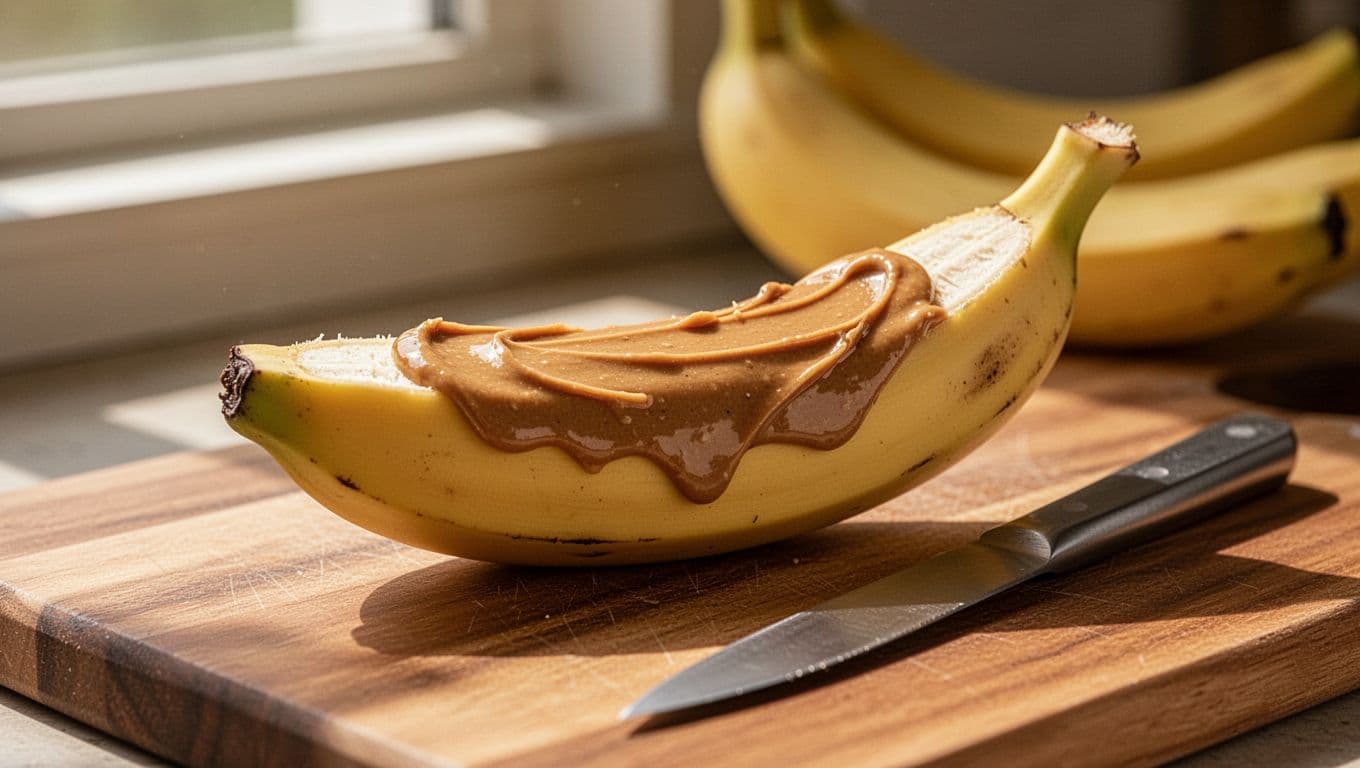
Bananas with peanut butter rank high among snacks to increase breastmilk supply. This combo packs quick energy from carbs, plus protein and fats your body needs for milk production. You spread peanut butter on a banana in seconds for 250 calories that fight hunger during long nursing sessions.
Why This Pair Supports Milk Flow
Peanut butter delivers 8 grams of protein and healthy fats per two tablespoons. Those nutrients help sustain the 500 extra calories nursing demands daily. In addition, it keeps blood sugar steady, so let-down happens smoother.
Bananas add potassium and quick carbs for energy. They support hydration and electrolyte balance, both key to steady supply. Moms often notice more volume after eating this snack regularly because it curbs stress eating that hurts prolactin.
No direct studies prove the combo doubles output. However, peanut butter’s role in lactation diets shows it builds the foundation through calories and satisfaction. Pair it with frequent nursing for best results.
Simple Two-Ingredient Prep
You need one ripe banana and two tablespoons of natural peanut butter. No cooking required.
Slice the banana lengthwise. Spread peanut butter thick on both halves. That’s it; eat right away or chill for five minutes.
For variety, sprinkle chia seeds on top. They add omega-3s without much effort. This snack travels well in your diaper bag.
Best Ways to Eat and Store
Eat one full banana with peanut butter mid-morning or during feeds. It digests fast, so energy hits quick. Aim for two servings daily alongside meals.
Store extra sliced bananas with peanut butter in the fridge up to a day. Freeze banana slices plain, then thaw and top fresh. Avoid added sugar peanut butters; they spike then crash energy.
Check for allergies first, since peanuts count as a top allergen. This snack fits busy days and keeps supply humming.
Nut Butter-Stuffed Dates: Nature’s Candy for Richer Milk
Nut butter-stuffed dates make one of the best snacks to increase breastmilk supply. These treats pack natural sweetness from dates with creamy nut butter for fats and protein. You get quick energy plus galactagogue effects that many moms swear by during growth spurts.
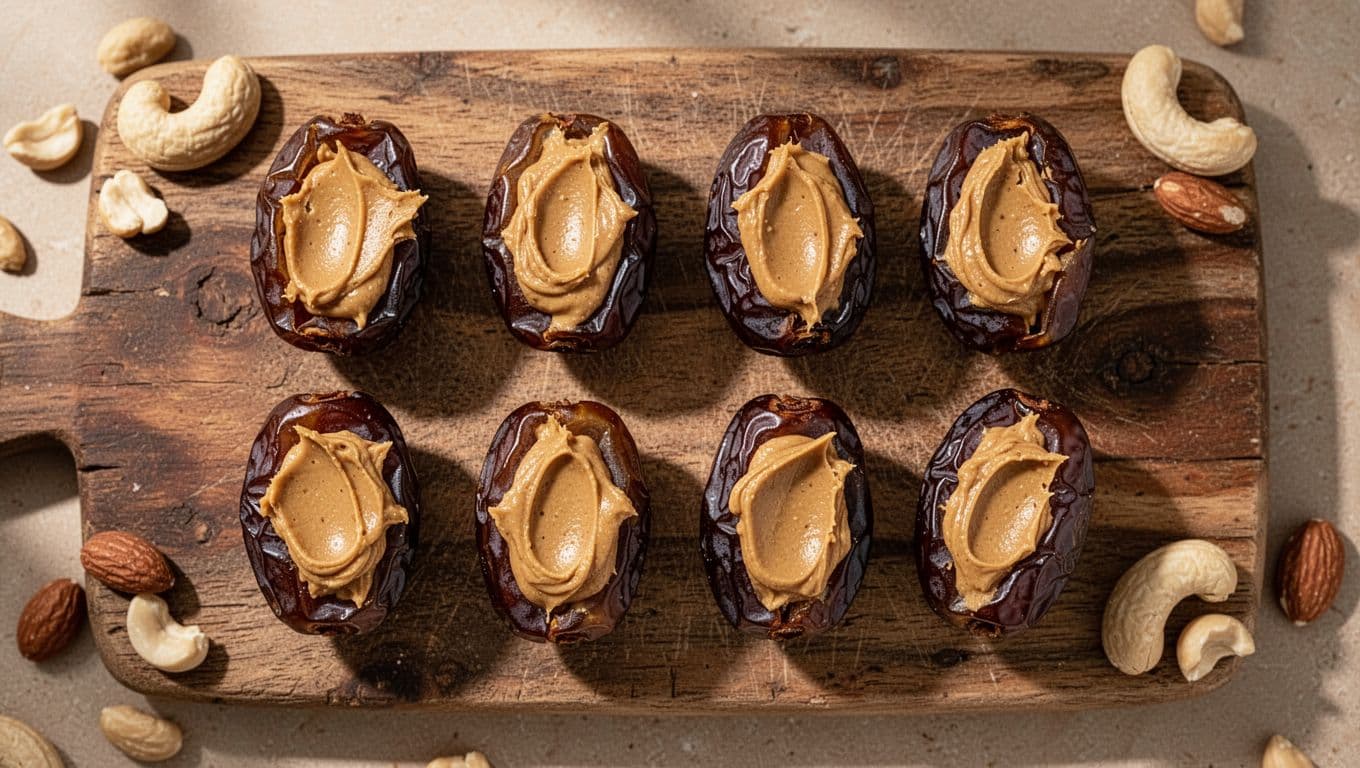
Why Dates and Nut Butter Team Up for More Milk
Dates boost prolactin levels, the hormone that drives production. One study showed moms eating 10 dates daily saw an 11% milk increase after two weeks and 23% after four. They also supply iron and potassium to fight postpartum fatigue.
Nut butter adds healthy fats that enrich hindmilk. Almond or peanut varieties deliver protein for repair and steady energy. Together, they satisfy cravings while supporting the 500 extra calories nursing demands. For details on dates’ impact on milk quantity, see this research.
Most moms notice results in days with consistent snacks. Eat six to eight halves daily, and pair with nursing.
Quick Recipe with Just Three Ingredients
Pitted Medjool dates work best because they hold filling well. You need 12 large dates, half a cup nut butter, and a sprinkle of sea salt.
Split dates lengthwise and remove pits. Spoon one tablespoon nut butter into each. Press shut or leave open. Sprinkle salt on top for contrast.
Prep takes five minutes for 24 halves. No cooking needed, so it’s perfect for tired days.
Storage Ideas and Serving Suggestions
Store in an airtight container in the fridge up to a week. Freeze for a month; thaw at room temp for grab-and-go.
Eat three or four during feeds for 200 calories. Dip in dark chocolate for variety, or top with seeds. They travel easy in your bag. Since nut butter builds milk fats, this snack keeps flow strong all day.
Roasted Chickpeas: Crunchy Protein to Sustain Your Supply
Roasted chickpeas count as a top snack to increase breastmilk supply. They pack 20 grams of plant protein per cup, plus fiber that keeps energy steady during nursing marathons. You roast a batch in 30 minutes for crunchy bites that satisfy salt cravings and fight fatigue.
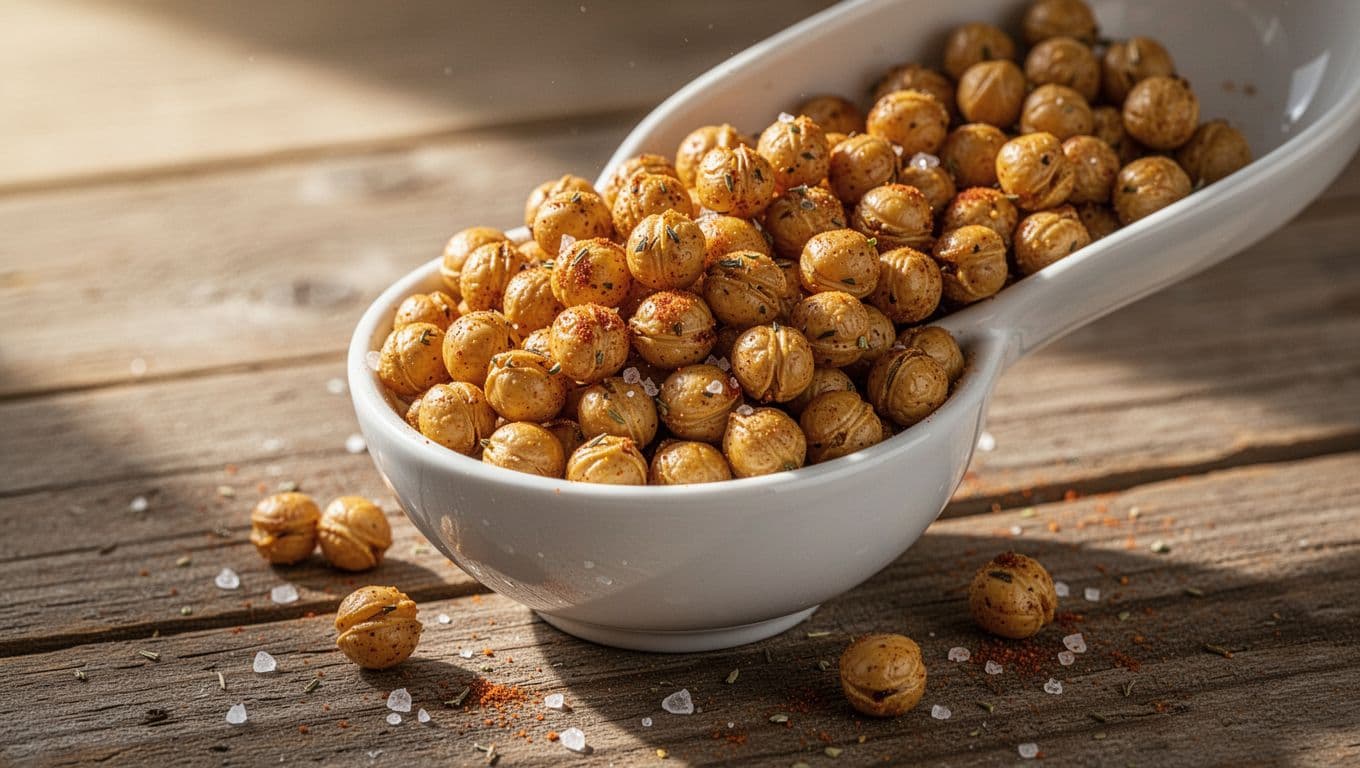
Why Roasted Chickpeas Boost Milk Flow
Chickpeas act as a galactagogue because of phytoestrogens, plant compounds that mimic estrogen and signal more milk production. Their protein builds milk proteins, while iron combats anemia that cuts supply. Fiber stabilizes blood sugar, so prolactin levels stay high.
Many moms see fuller breasts in 24 to 72 hours with daily handfuls. For example, chickpeas’ role in lactation diets highlights how they sustain energy without crashes. Eat a half-cup roasted daily, and pair with frequent feeds.
Simple Oven-Roast Recipe
Start with one 15-ounce can of chickpeas or 2 cups cooked. Drain and pat dry with a towel for crispiness.
Ingredients:
- 2 cups chickpeas (drained, rinsed)
- 1 tablespoon olive oil
- 1/2 teaspoon sea salt
- 1/2 teaspoon paprika
- 1/4 teaspoon garlic powder
- Optional: cumin or chili powder
Preheat oven to 400°F. Toss chickpeas with oil and spices on a baking sheet. Roast 25 to 30 minutes, shaking halfway. They crisp as they cool. Makes 200 calories per half-cup serving.
Storage and Quick Serving Ideas
Cool completely, then store in an airtight jar up to a week. Freeze for a month; re-crisp in the oven at 350°F for 10 minutes. Grab a handful during pumps for protein hits.
Mix with trail mix later, or sprinkle on yogurt. Watch for gas if sensitive; start small. This snack keeps your supply strong through growth spurts.
Greek Yogurt with Berries and Nuts: Antioxidant Boost for Moms
Greek yogurt with berries and nuts ranks as a favorite among snacks to increase breastmilk supply. This mix gives you 20 grams of protein from yogurt, plus antioxidants from berries and healthy fats from nuts. It delivers 300 calories in a creamy bowl that fights inflammation and keeps energy steady during nursing.
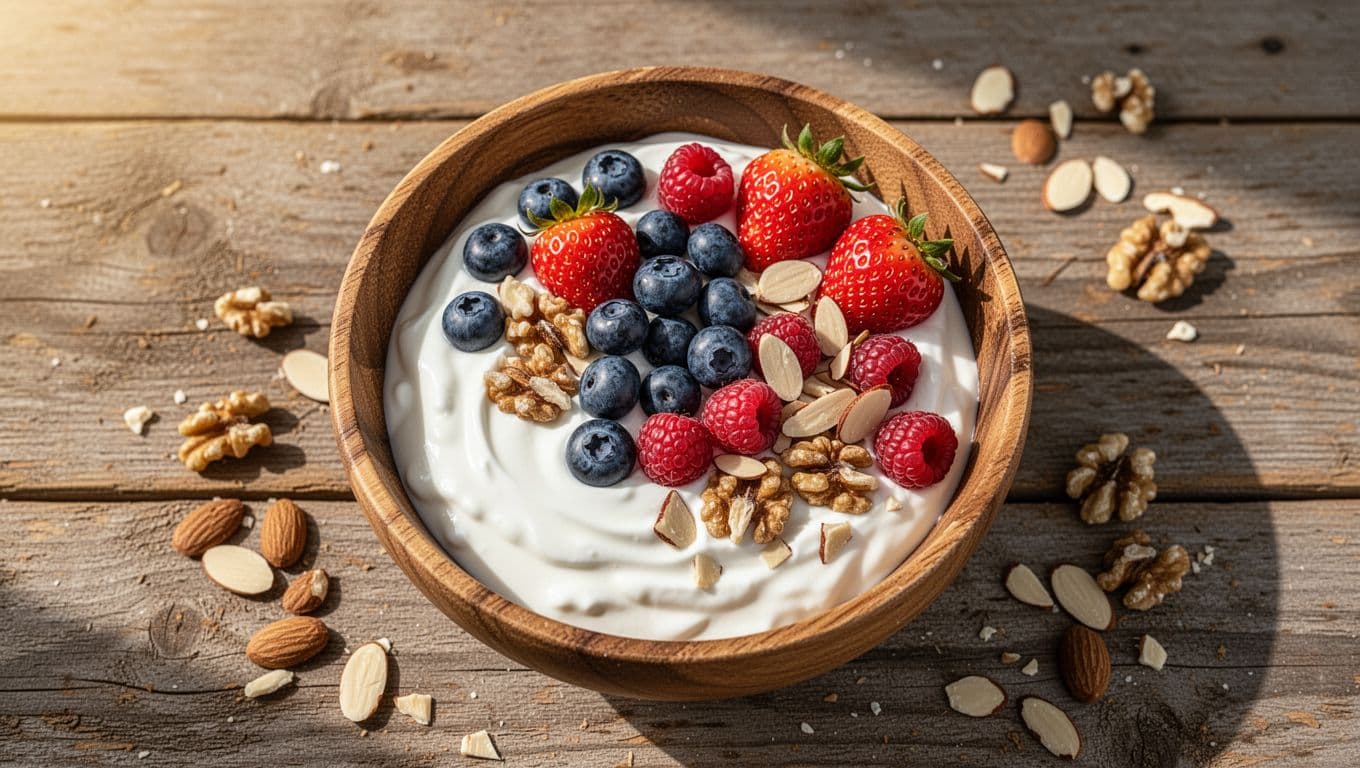
Why This Combo Supports Milk Production
Greek yogurt packs twice the protein of regular yogurt. That protein rebuilds your body after birth and stabilizes blood sugar, so you avoid crashes that hurt let-down. Full-fat versions add calcium for muscle contractions during feeds.
Berries like blueberries bring antioxidants that cut postpartum stress on your cells. Nuts such as almonds supply omega-3s, which boost milk fat content for baby’s brain growth. Together, they hydrate and nourish without empty calories. For more on Greek yogurt’s benefits for nursing moms, see this guide. Many moms feel fuller breasts in days with daily bowls.
Quick Three-Ingredient Assembly
You need one cup plain full-fat Greek yogurt, half a cup mixed berries, and a quarter cup chopped nuts. Prep takes two minutes.
Scoop yogurt into a bowl. Rinse and scatter berries on top. Sprinkle nuts for crunch. Stir if you like, or eat layered.
Add a drizzle of honey for sweetness, but skip if berries suffice. This makes one large serving or two small ones.
Storage and Pairing Ideas
Mix fresh each time for best texture, but layer in jars for fridge storage up to a day. Freeze yogurt base plain; top after thawing.
Eat during morning feeds or as an afternoon pick-me-up. Pair with signs you’re not eating enough while nursing to stay ahead. A daily serving keeps your supply strong and cravings at bay.
Sweet Potatoes with Cottage Cheese: Comfort Food That Builds Supply
Sweet potatoes with cottage cheese stand out among snacks to increase breastmilk supply. This pairing gives you complex carbs from sweet potatoes for steady energy, plus high-quality protein from cottage cheese to build milk volume. Bake a sweet potato, top it with cottage cheese, and you have a 300-calorie snack that fights fatigue and supports hydration during nursing.
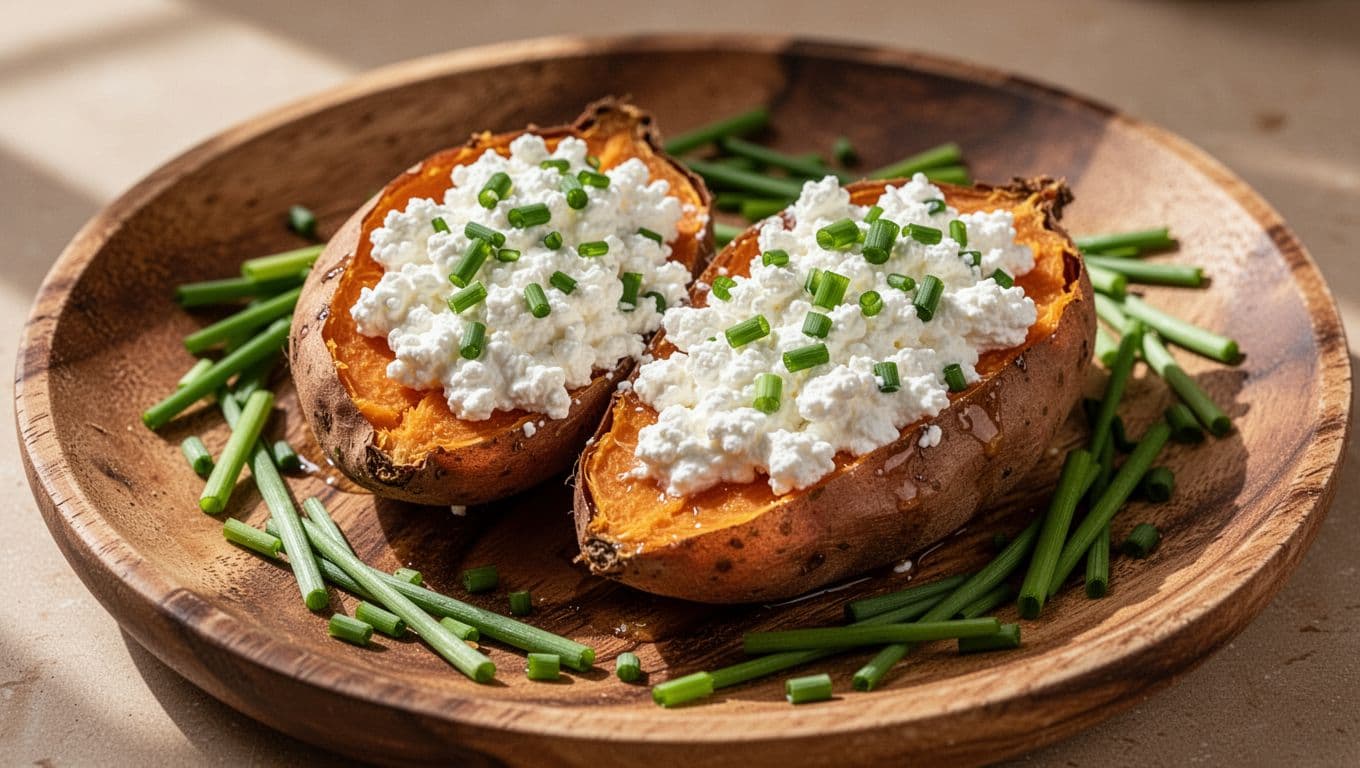
Why This Combo Fuels Milk Production
Sweet potatoes pack vitamin A, which one medium size covers your full daily need as a nursing mom. That vitamin helps baby’s growth and immunity. They also supply potassium to balance fluids, since breast milk is mostly water.
Cottage cheese adds 14 grams of protein per half cup. Nursing demands 80 to 100 grams daily, so this helps repair tissues and keep blood sugar stable. Casein protein digests slowly, which curbs hunger during night feeds. For more on how sweet potatoes support lactation, check this guide. Moms often see steadier supply in days with regular helpings.
Simple Bake-and-Top Recipe
You need one large sweet potato, half a cup full-fat cottage cheese, and optional herbs like chives. Prep takes 45 minutes total.
Poke the sweet potato with a fork. Bake at 400°F for 40 to 45 minutes until soft. Slice in half, fluff the inside, then top with cottage cheese. Sprinkle chives or black pepper for flavor.
This makes one big serving. Scale up for batches. Add a dash of cinnamon if you want warmth without sugar.
Storage and Serving Ideas
Store baked sweet potatoes in the fridge up to four days. Reheat in the microwave, then add fresh cottage cheese. Freeze whole potatoes for two weeks; thaw overnight.
Eat one during afternoon slumps or feeds for lasting fuel. Pair with water to boost hydration effects. This snack fits 2026 trends toward protein-rich whole foods, so it keeps your energy high and supply consistent.
Kale Chips: Veggie Power for Nutrient-Dense Milk
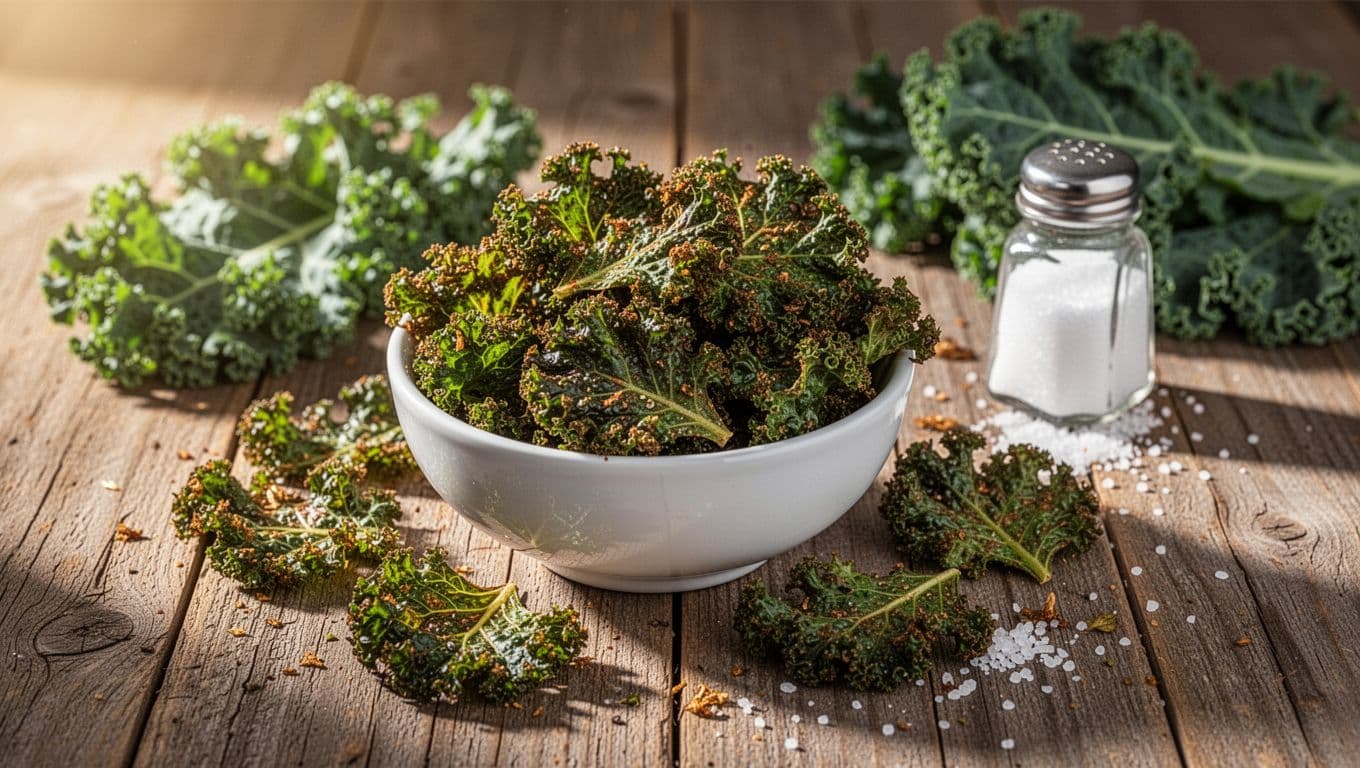
Kale chips offer a crunchy twist among snacks to increase breastmilk supply. They turn leafy greens into a salty treat packed with iron and calcium that fight fatigue and support your bones during nursing. Bake a batch in 20 minutes for an easy grab during feeds.
Why Kale Packs Nutrients for Better Milk
Kale delivers iron to combat anemia, a common supply killer for new moms. You need about 9 mg daily, and one cup of chips covers a chunk of that, especially with vitamin C for absorption. Calcium hits 1,000 mg needs too, so your body prioritizes milk over your bones.
Phytoestrogens in these greens may mimic hormones that aid production, although research shows no direct boost from kale alone. Still, moms report steadier energy and fuller breasts after regular handfuls. Dark leafy greens like kale support overall lactation through balanced nutrition, as noted in leafy greens for breastfeeding diets.
Quick Oven-Bake Recipe
One bunch curly kale makes four cups of chips. It takes 20 minutes total.
Ingredients:
- 1 bunch kale (stems removed, torn into pieces)
- 1 tablespoon olive oil
- 1/2 teaspoon sea salt
- Optional: 1/4 teaspoon garlic powder or nutritional yeast
Preheat oven to 300°F. Wash and dry kale thoroughly. Massage with oil and seasonings on two baking sheets. Bake 10 to 15 minutes until crisp, rotating halfway. Cool before eating for max crunch.
Storage and Snacking Tips
Store in an airtight container at room temp up to three days; they soften in humidity. Re-crisp in a 300°F oven for five minutes. Grab a cup for 150 calories during nursing.
Sprinkle on yogurt or mix with nuts for variety. Pair with plenty of water, since greens aid hydration. This snack fits your routine and keeps nutrients flowing to milk.
Trail Mix with Oats and Seeds: Ultimate Grab-and-Go for Busy Days
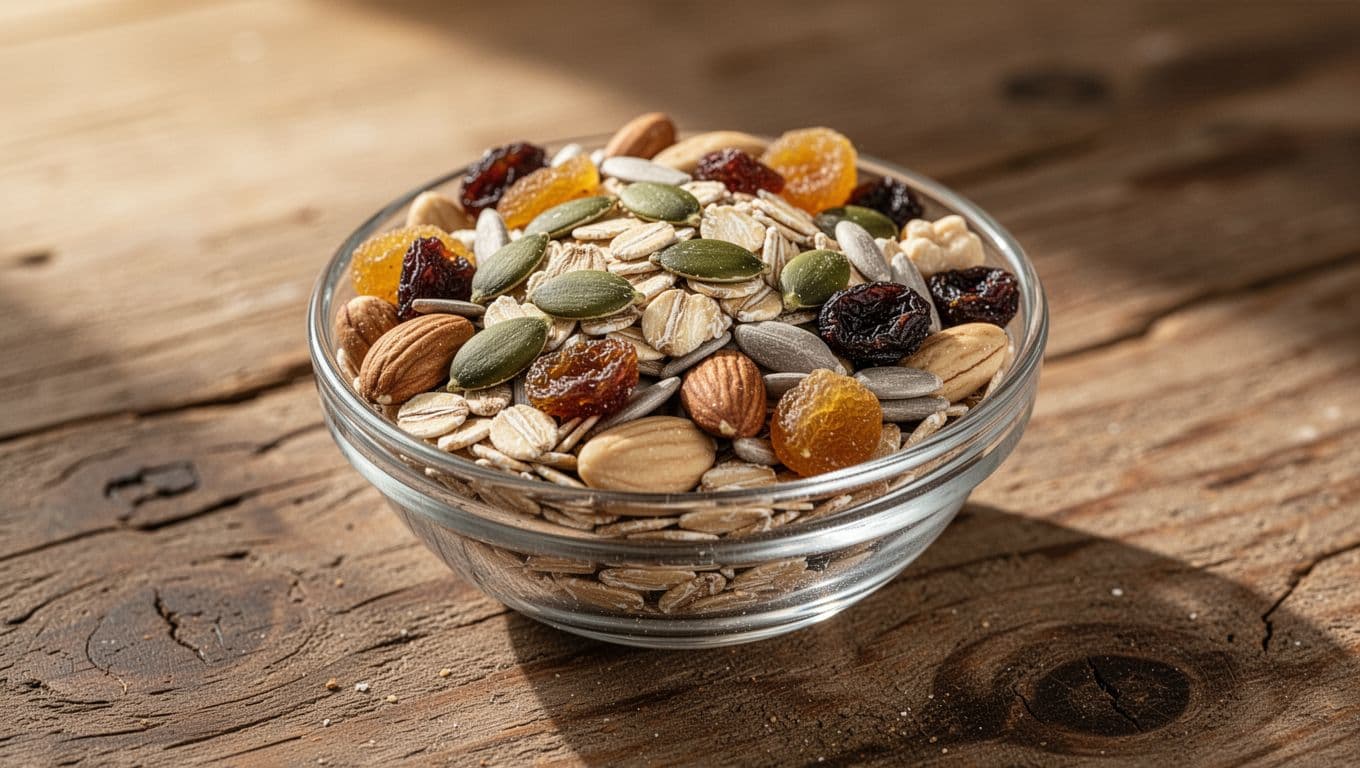
Trail mix with oats and seeds fits perfectly as a snack to increase breastmilk supply. You toss oats, seeds, and nuts together for portable fuel that delivers protein, healthy fats, and fiber. It sustains energy through busy feeds, and many moms notice steadier flow after daily handfuls.
Why This Mix Boosts Milk Production
Oats provide beta-glucans that raise prolactin levels, so your body makes more milk. Seeds like pumpkin and sunflower add omega-3s and zinc, which enrich milk fat and support hormones. Nuts bring protein to repair tissues and fight fatigue from nursing’s 500 extra calories.
Recent studies mix oats with seeds and nuts into lactation blends high in calcium and fiber. These keep blood sugar stable and aid digestion, both keys for let-down. In addition, breastfeeding-friendly foods like trail mix help naturally through dense nutrition. Eat a quarter cup daily, and pair it with water for hydration.
Quick No-Bake Recipe for a Big Batch
Mix a half cup rolled oats, quarter cup each pumpkin seeds and sunflower seeds, half cup mixed nuts like almonds and walnuts, and quarter cup dried fruits such as raisins or apricots. Add a pinch of sea salt.
Stir everything in a bowl. Spread on a baking sheet to dry for 30 minutes if humid. Store ready to grab. This makes 10 servings at 250 calories each, no oven needed.
Storage and Snacking Tips
Keep in an airtight jar at room temp for a week, or freeze for a month. Shake before serving to mix evenly. Grab during cluster feeds or pumps for quick energy.
Customize with brewer’s yeast for extra galactagogue power, but start small to check taste. It pairs well with other snacks here, so your supply stays strong on the go.
Conclusion
These eight snacks offer easy, tasty ways to boost your breastmilk supply. They pack protein, healthy fats, carbs, and galactagogues like oats and seeds for steady energy and hormone support. Pick two or three favorites, snack often, and track changes over a week.
Nursing on demand and staying hydrated remain key. Drink water with every bite, rest when you can, and talk to your doctor or lactation consultant for personalized advice.
Try one recipe today, like oatmeal energy bites. Share in the comments what works for you. Subscribe for more mom tips that fit your busy days.
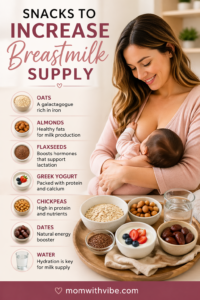
Save the pin for later

- Dry Cough in Kids: 5 Causes and Safe Solutions - September 23, 2026
- How to Help a Child Deal With Anxiety at Home - September 12, 2026
- How to Prepare Your Child for the First Day of School - September 12, 2026