
Some workouts feel harmless until pregnancy changes the rules. In the first trimester, the biggest concerns are overheating, hard impacts, falls, and pressure on the abdomen. That means certain classes and sports need to sit on the bench for now, even if you felt fine doing them before.
If you want a broader list of risks to avoid during pregnancy, it helps to think in simple safety terms: keep your body cool, keep your balance, and avoid anything that could lead to a hit or a hard fall.
Hot yoga, contact sports, and high-fall activities
Hot yoga is one of the clearest workouts to skip in early pregnancy. The room heat can push your body temperature up too much, and overheating is a real concern when your baby is developing fast. A regular yoga class is one thing, but a heated studio can turn a calm workout into a risky one.
Contact sports bring a different problem. Basketball, boxing, soccer, kickboxing, hockey, and similar activities all create a chance of getting hit, bumped, or knocked down. Even a small collision can become a big worry when your abdomen is more vulnerable.
Falls matter just as much. Skiing, horseback riding, gymnastics, skateboarding, and similar activities can leave you off-balance fast. Pregnancy hormones can also loosen joints, so movements that felt stable before may now feel a little slippery.
A few activities to put on hold include:
- Hot yoga and heated fitness classes
- Basketball, boxing, and kickboxing
- Skiing and snowboarding
- Horseback riding
- Gymnastics, climbing, and aerial workouts
If an activity has a real chance of heat stress, body contact, or falling, it does not belong in a first trimester routine.
For a practical comparison of safer movement options, the NHS pregnancy exercise guidance is a useful reference. It lines up with the simple rule most people can follow: choose movement that stays steady, cool, and controlled.
Why scuba diving and breath-holding exercises are off-limits
Scuba diving is unsafe during pregnancy because pressure changes can affect the baby. The body cannot protect the fetus from decompression sickness the way it protects you, so the risk is not worth it. That is why diving stays off the list for the whole pregnancy, not just the first trimester.
Breath-holding drills are also a bad fit. They can raise pressure inside your body and make you dizzy or strained. That is the opposite of what you want in early pregnancy, when your body is already adapting to big changes.
If you like yoga or breathing work, keep it gentle. Smooth, steady breathing is fine. Long breath holds, forceful holds, and exercises that make you bear down are not.
How to stay comfortable and protect your energy while exercising
Early pregnancy workouts should feel manageable, not draining. Small changes, like drinking more water, slowing down sooner, and giving yourself permission to rest, can make movement feel much better day to day.
Your body is already doing a lot behind the scenes, so the goal is to support it. That means paying attention to heat, nausea, fatigue, and how quickly you recover after exercise. When you adjust for comfort, you’re more likely to keep moving in a way that feels steady and safe.
Hydration, cooling down, and avoiding overheating
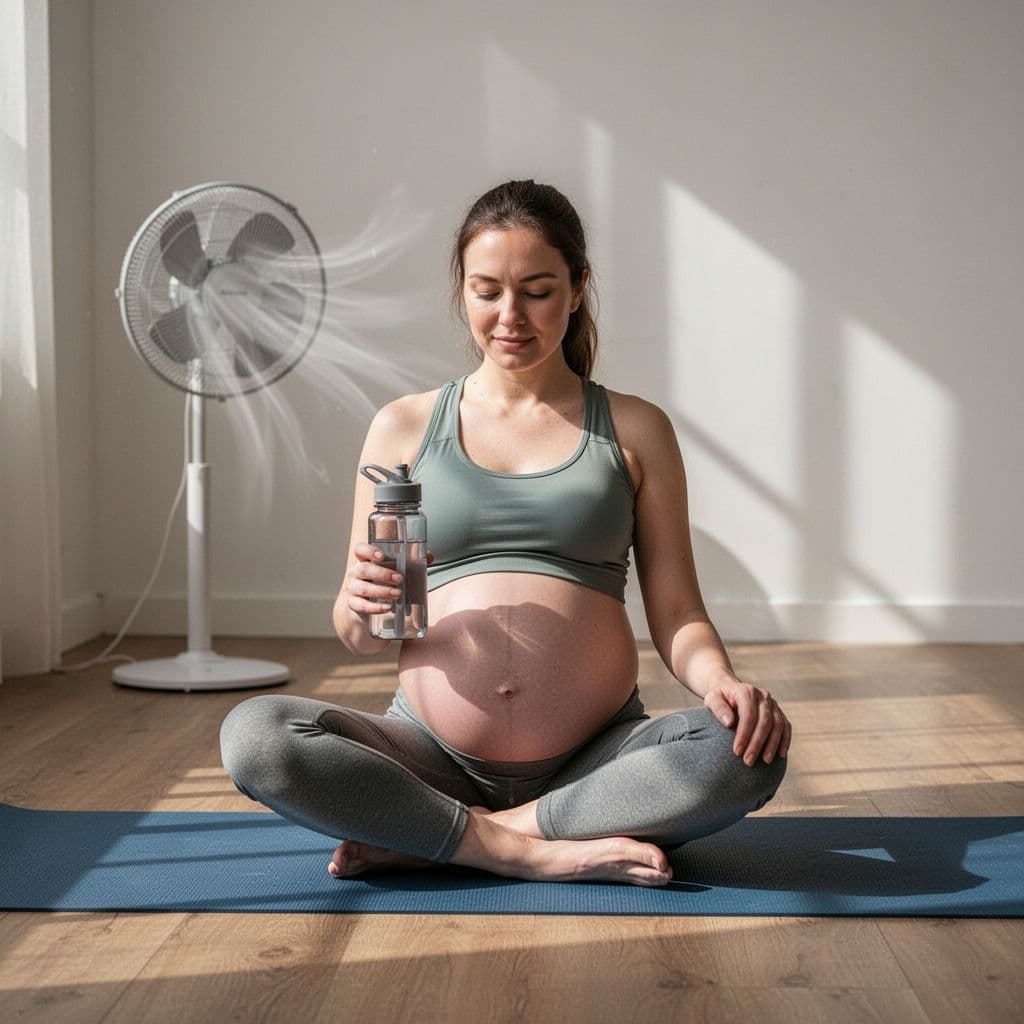
Water matters more than usual in the first trimester because dehydration can make dizziness, headaches, and nausea worse. Keep a bottle nearby before, during, and after your workout, and sip often instead of waiting until you feel thirsty.
Clothing also makes a difference. Choose breathable, loose-fitting fabrics that let heat escape, and skip heavy layers that trap sweat. If you feel warm quickly, a fan, shade, or an air-conditioned room can help you stay comfortable without cutting the workout short.
Try to avoid hot rooms and the hottest part of the day, especially if you’re walking outdoors. Morning or evening workouts usually feel easier, and indoor movement can be a smart backup on humid days. The NHS pregnancy exercise guidance also recommends drinking plenty of fluids and avoiding strenuous exercise in hot weather, which matches what many people feel in real life, not just on paper. You can find that guidance in the NHS pregnancy exercise advice.
If you feel overheated, lightheaded, or suddenly wiped out, slow down or stop.
A few simple habits help:
- Carry water everywhere so you don’t skip it.
- Use a fan or open window during indoor workouts.
- Pick cooler times of day for outdoor exercise.
- Take off layers early if you start to sweat heavily.
- Stop fast if your body feels too hot or off.
Warm-ups, cool-downs, and rest breaks matter more now
The first trimester is not the time to skip preparation or push through discomfort. A gentle warm-up helps your joints and muscles ease into movement, which can reduce strain and make the workout feel smoother from the start.
A cool-down matters just as much. Slowing your pace for a few minutes gives your heart rate time to settle and helps you avoid that abrupt, dizzy feeling that can hit after stopping too quickly. The ACOG exercise guidance during pregnancy supports staying active, but it also makes clear that safe exercise includes listening to your body and adjusting as needed.
Rest breaks are useful, not lazy. Short pauses can stop fatigue from snowballing into nausea, shakiness, or exhaustion. If you need to sit down, lower the intensity, or cut the session short, that is a smart response, not a failure.
A simple routine works well:
- Start with 3 to 5 minutes of easy walking or gentle mobility.
- Move at a pace that still feels controlled.
- Finish with slower movement and relaxed breathing.
- Take a break any time you feel off.
How to modify workouts when nausea or fatigue hits
Some days, your body will not cooperate with a full workout. On those days, the best move is to scale back instead of forcing a routine that feels miserable.
Shorter sessions often work better than long ones. Ten or fifteen minutes of movement can still count, especially if you keep it gentle. If nausea is stronger in the morning, try exercising after a light snack, since an empty stomach can make queasiness worse for some people.
Walking is an easy swap when harder workouts feel like too much. You can also choose indoor movement, such as a short stretch session, light prenatal yoga, or a few bodyweight exercises in the living room. On rough days, even a calm walk around the house or a little mobility work can help you stay in rhythm without draining your energy.
If you want a simple rule, use this one, lighter is better when symptoms are loud. The point is to stay connected to movement, not to prove anything. For more ideas on keeping pregnancy movement steady and realistic, staying active during the second trimester can also help you think ahead.
When nausea or fatigue shows up, try these quick changes:
- Shorten the session instead of skipping movement entirely.
- Lower the intensity until you can breathe easily.
- Eat a small snack first if your stomach feels empty.
- Move indoors if heat or sunlight makes you feel worse.
- Choose walking or stretching on days when stronger workouts feel like too much.
That kind of flexibility makes exercise easier to keep up with. And in the first trimester, consistency usually matters more than perfection.
Warning signs that mean you should stop and call your doctor
Most first trimester workouts are safe when they stay gentle and controlled. Still, your body can send clear warning signs that mean you need to stop right away. When that happens, treat it seriously and call your doctor, midwife, or OB office as soon as you can.
Symptoms to watch for during or after a workout
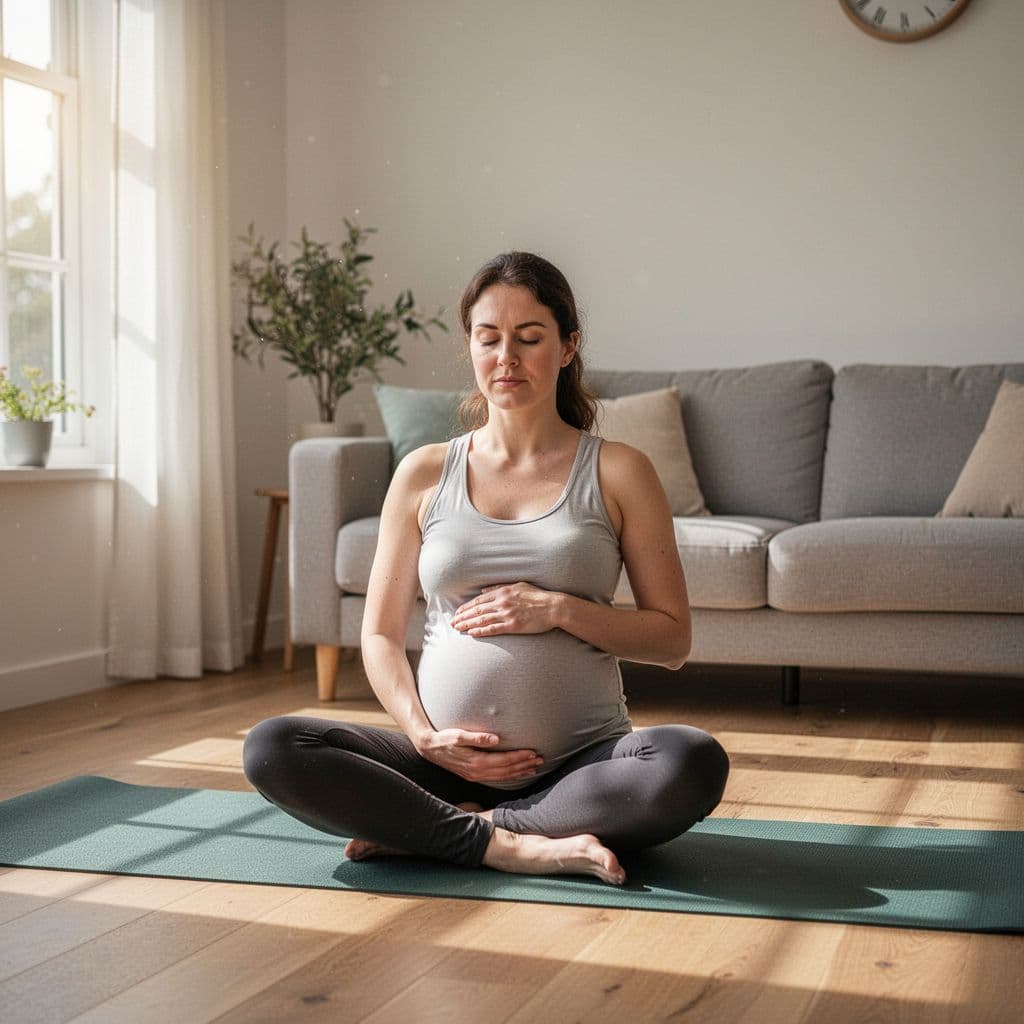
Some symptoms are never something to push through. If any of these happen during exercise or soon after, stop immediately and get medical advice:
- Vaginal bleeding, even if it seems light.
- Fluid leaking from the vagina, which could be amniotic fluid.
- Chest pain, chest tightness, or a racing heartbeat.
- Shortness of breath before exertion, or breathing that feels hard too early.
- Dizziness, lightheadedness, or feeling faint.
- Severe headache that comes on during or after activity.
- Calf pain or swelling, especially if it feels one-sided.
- Painful contractions or cramping that feels regular or strong.
Pain is a signal, not a challenge to beat. If exercise brings on unusual discomfort, that is enough reason to stop and check in with your provider. The ACOG guidance on exercise during pregnancy also lists warning signs that should not be ignored.
If you have bleeding, fluid leaking, chest pain, or strong cramping, do not try to “finish the set.”
What to do if a workout suddenly feels wrong
When something feels off, stop the workout right away. Sit down, or lie on your side if you feel shaky, and take slow breaths until you settle.
Next, drink water and rest in a cool place. If symptoms fade quickly and feel minor, you still may want to call your doctor for guidance, especially if this is new for you.
Call right away if the symptom is serious, keeps coming back, or does not improve fast. That is especially important for bleeding, fluid leaking, chest pain, faintness, or painful contractions. For a plain-language reference on urgent symptoms, the NHS pregnancy exercise guidance lists the same red flags.
Keep the next workout simple if you get the all-clear. A shorter walk, more rest, or a lighter session is better than forcing your way through a body signal that needs attention.
Conclusion
Staying active during the first trimester is not just safe; it is a helpful way to support your physical and mental health. When you focus on moderate, pregnancy-friendly movement, you build a foundation that keeps you feeling energized and comfortable as your body begins to change.
Always listen to your body, choose activities that avoid risks like overheating or falling, and check with your doctor whenever you feel unsure about a symptom. Small, consistent sessions are enough to maintain your well-being. Moving regularly, even in short bursts, makes a positive difference for you and your baby.
Save pin for later


- 12 Things Pregnant Women Do When They’re Alone - June 7, 2026
- 25 Healthy Pregnancy Snacks You Should Try - June 7, 2026
- 100 Funny Baby Jokes That Will Make You Laugh - May 15, 2026