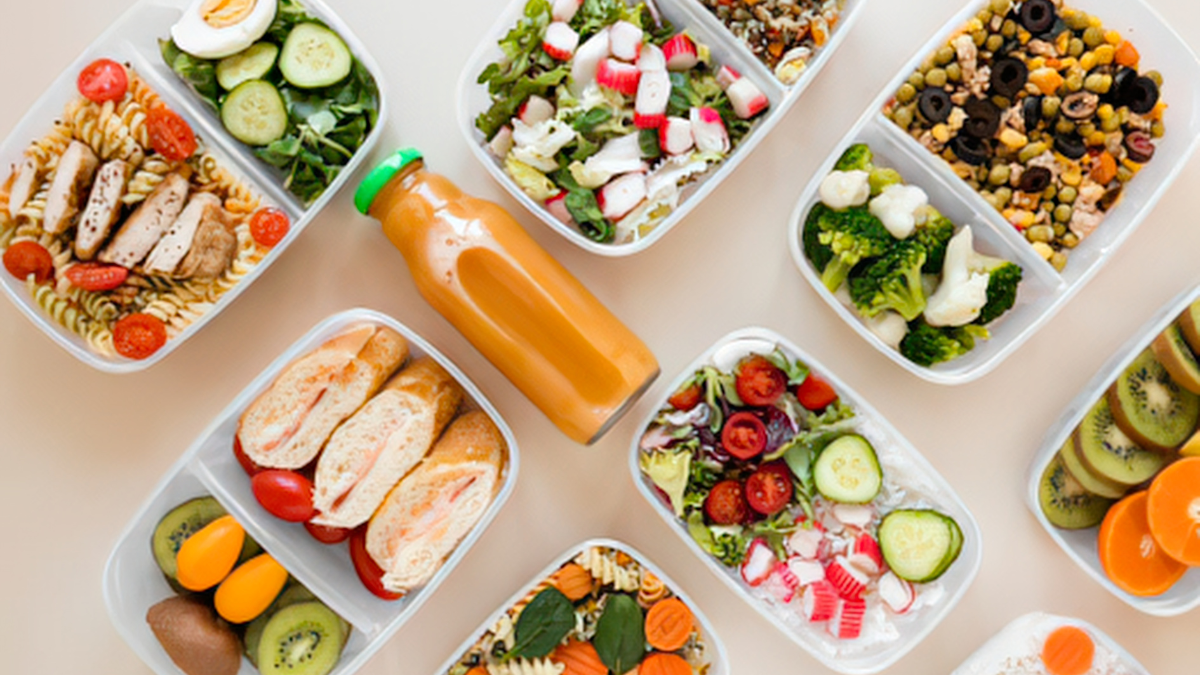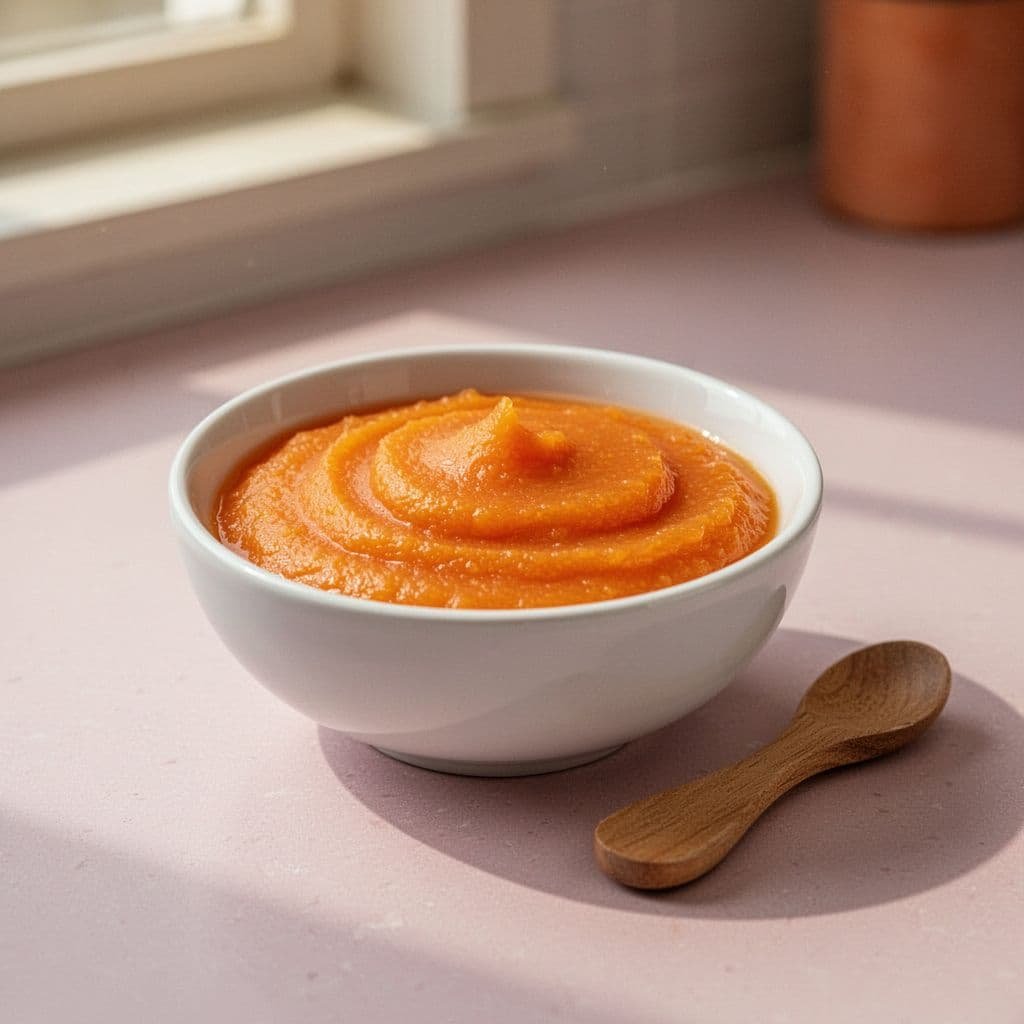
A balanced plant-based dinner does not need a nutrition spreadsheet or a complicated recipe. For most families, it helps to use a simple plate that covers the basics, then repeat it in different meals through the week.
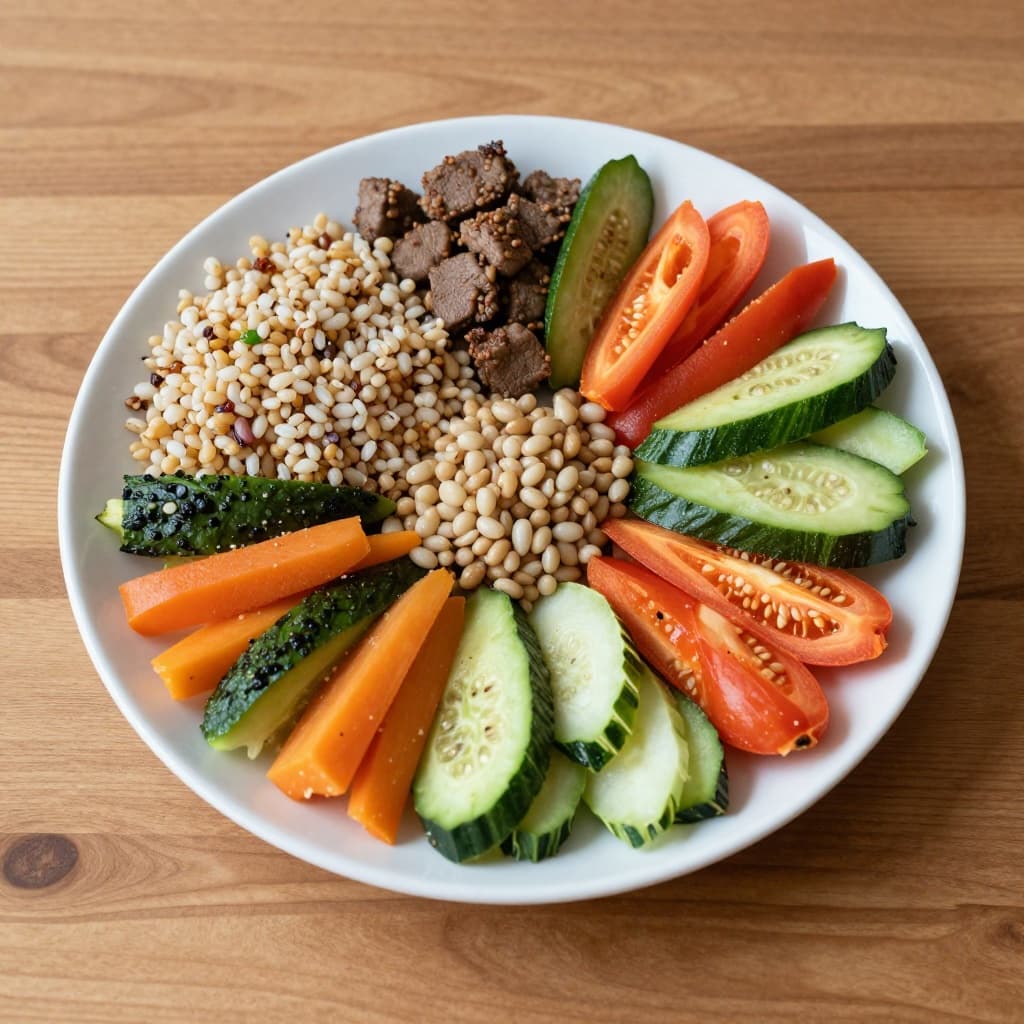
The goal is to make dinner filling enough for kids to stay satisfied. That means protein, fiber, healthy fats, and enough calories matter. When a plate has those pieces, kids usually stay fuller longer and complain less about being hungry an hour later.
A well-balanced plant-based dinner should feel satisfying, not sparse.
Use the easy plate method for everyday dinners
The easiest dinner formula is simple: half the plate fruits or vegetables, one quarter grains, and one quarter protein. That balance keeps the meal familiar while still giving kids the fuel they need.
For example, you might serve brown rice with roasted broccoli and black beans, or pasta with peas and tofu on the side. If your child eats a smaller dinner, keep the same ratio but use kid-sized portions. The method works because it gives you structure without making dinner feel strict.
A little healthy fat helps, too. Avocado, olive oil, tahini, nuts, or seeds can make a meal more satisfying. If the plate looks too light, add another scoop of grains or a second protein item so kids do not leave the table still hungry.
Choose plant proteins that hold up well at dinner
Some plant proteins work better than others for family dinners because they stay hearty and easy to eat. Tofu, beans, lentils, chickpeas, edamame, pea protein, and nut or seed butters all fit well in kid-friendly meals.
These foods add staying power, which matters on busy nights. A taco filling made with beans and lentils feels much more complete than vegetables alone, and tofu nuggets or edamame pasta can keep dinner from feeling too light.
A few easy options include:
- Tofu in stir-fries, bowls, or baked nuggets
- Beans and lentils in tacos, chili, soup, or pasta sauce
- Chickpeas in wraps, salads, or mashed as a sandwich filling
- Edamame tossed into rice bowls or noodle dishes
- Pea protein in meatless crumbles or pasta
- Nut or seed butters in sauces and dips
For parents building simple family meals, plant-based diets for the whole family offers a helpful overview of how these foods fit into everyday eating.
Watch for a few nutrients that matter most for kids
Kids on plant-based diets do well when a few key nutrients stay on the radar. Calcium, iron, vitamin B12, vitamin D, omega-3s, zinc, and fiber all matter for growth, energy, and bone health.
The good news is that these nutrients can come from everyday foods. Fortified plant milks, tofu, beans, lentils, whole grains, seeds, and leafy greens all help. Still, some families need fortified foods or supplements, especially for B12 and sometimes vitamin D.
If you want a parent-friendly breakdown of common nutrient needs, HealthyChildren.org gives a clear overview. The main idea is simple, though, feed variety, use fortified foods when needed, and keep dinners filling enough that kids stay satisfied.
Easy Family Dinner Ideas That Kids Usually Say Yes To
When dinner needs to work for both kids and adults, the best meals are the ones that feel familiar, flexible, and low-pressure. That usually means comfort food shapes, mild flavors, and toppings kids can control.
The ideas below fit real weeknights. They are simple enough for busy parents, but still hearty enough to keep everyone satisfied.
Creamy pasta nights that feel familiar
Pasta is one of the easiest plant-based wins because it already feels like comfort food. When you swap in a creamy sauce, most kids focus on the flavor and texture, not what is missing.
Mac and cheese made with silken tofu or cashews is a strong place to start. It stays smooth, rich, and mild, which makes it an easy yes for picky eaters. Alfredo with peas also works well because the sauce feels familiar, and the peas add color without taking over the plate.
Spaghetti with lentil or chickpea meatballs is another family favorite. The sauce does most of the heavy lifting, and the meatballs bring a hearty bite that feels close to classic spaghetti night.
A few easy pasta ideas to keep on repeat:
- Creamy mac and cheese with silken tofu, cashews, or blended potatoes
- Alfredo with peas for a mild, familiar dinner
- Spaghetti with lentil meatballs for a cozy, filling meal
- Pasta with blended veggie sauce when you want extra produce without a fight
Comfort food works best when it tastes like comfort food.
For more ways to keep family meals calm and predictable, simple meal planning systems for families can help you build an easier dinner routine.
Taco, burrito, and bowl dinners that everyone can build their own way
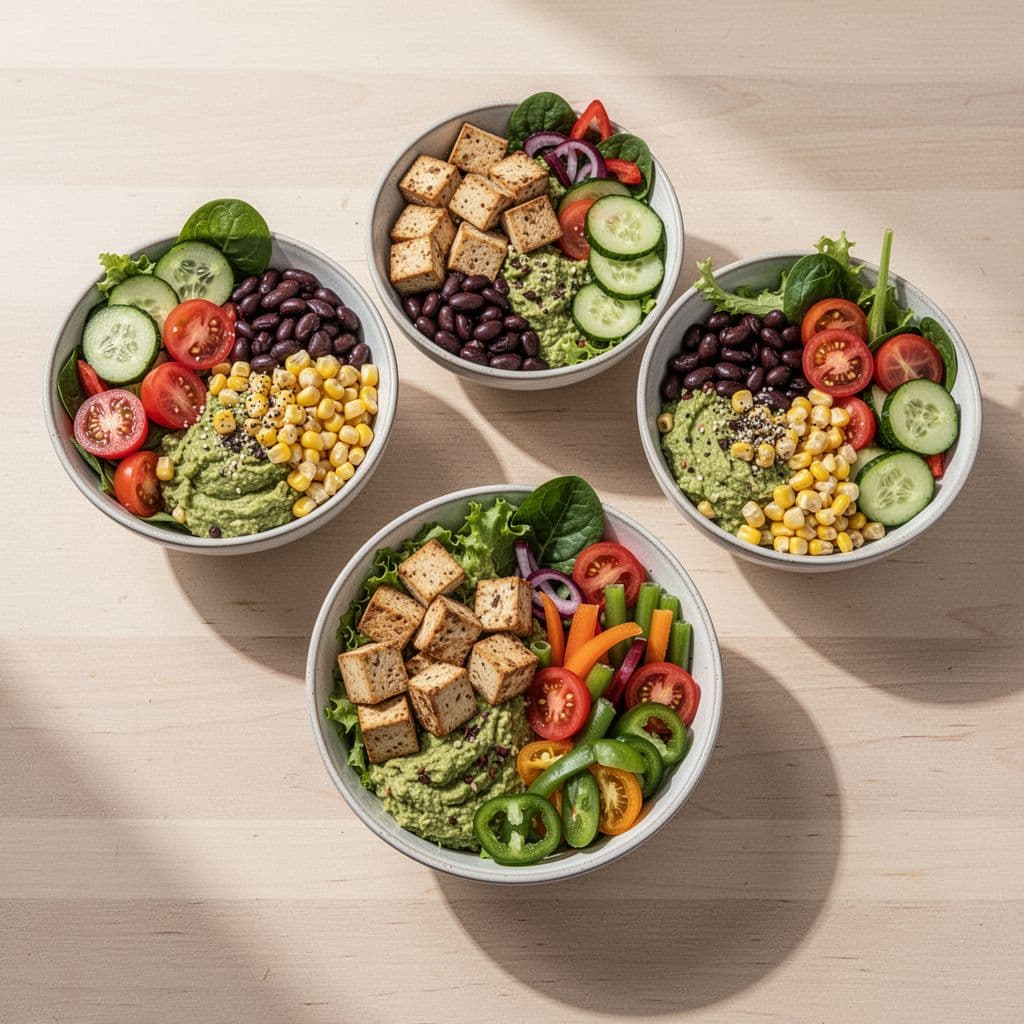
Taco night stays popular for a reason. Kids like meals they can touch, stack, and customize, and parents like how fast everything comes together. Black bean tacos are a great starting point because the filling is hearty, affordable, and easy to season lightly.
Rice bowls and burrito bowls work the same way. Set out rice, beans, corn, avocado, salsa, shredded lettuce, and a mild sauce, then let everyone build a plate that fits their taste. Some kids want plain rice and beans. Others pile on everything. Both versions work.
This kind of dinner helps picky eaters feel in control. A child who refuses mixed food may still eat each part separately, which lowers the pressure at the table. That small shift can make dinner go much smoother.
If you want a useful example of how simple plant-based bowls can be, kid-friendly vegan burrito bowls show how easy it is to turn basic ingredients into a meal kids will actually eat.
Try these mix-and-match dinners:
- Black bean tacos with mild salsa and avocado
- Burrito bowls with rice, beans, corn, and lettuce
- Rice bowls with tofu, cucumber, and a simple sauce
- Taco salad plates for kids who like separate foods
The best part is how easy these meals are to adapt. Younger kids can eat the basic parts, while older kids can add more toppings and flavor.
Crispy and finger-friendly dinners for small hands
Many kids trust food more when they can pick it up. Crispy, bite-sized dinners feel playful, and that can make a big difference on nights when appetite is mixed or attention is short.
Tofu nuggets are a smart plant-based swap because they can be baked until crisp and served with a dip. Baked patties also work well, especially when you keep the seasoning mild and serve them on buns or with potatoes. Roasted chickpeas add crunch and make a great side or snack-style dinner addition.
Dipping sauces matter here. Ketchup, vegan ranch, barbecue sauce, hummus, or a mild yogurt-style dip can make a new food seem less intimidating. Sometimes the sauce gets the first bite, and that is enough to get the rest of the meal started.
A few kid-friendly finger foods include:
- Tofu nuggets with ketchup or ranch
- Baked veggie patties with soft buns or roasted potatoes
- Roasted chickpeas for crunch and extra protein
- Mini quesadillas cut into easy wedges
- Cauliflower bites with a mild dipping sauce
When dinner feels like snack food, kids usually come to the table with less resistance.
One-pan or one-pot meals for busy weeknights
On the busiest nights, cleanup matters almost as much as taste. One-pan and one-pot meals keep the mess down, which makes dinner feel more doable before it even starts.
Chili mac is a strong choice because it combines pasta, beans, and a cozy sauce in one pot. Mild curry works well too, as long as you keep the spice level gentle and use ingredients kids already know, like potatoes, carrots, peas, or chickpeas. Sheet pan meals are another easy fix, since you can roast vegetables and tofu together without much hands-on time.
Stir-fries are useful when you have leftover rice or a bag of frozen vegetables. Keep the sauce simple, serve it over noodles or rice, and let each person add sesame seeds, scallions, or extra sauce if they want more flavor.
For busy nights, these meals keep things simple:
- Chili mac for a filling, low-fuss dinner
- Mild curry with rice and soft vegetables
- Sheet pan tofu and vegetables for easy cleanup
- Veggie stir-fry with noodles or rice
- One-pot pasta when you want less washing up
The best one-pot meals do two jobs at once. They save time, and they keep dinner from turning into a sink full of pans.
Cool-weather and comfort meals that still stay plant-based
When the weather turns colder, kids often want meals that feel warm, thick, and filling. Plant-based food can do that easily when you choose the right recipes.
Pumpkin curry is a good example because it has a creamy texture and a gentle sweetness that works well with rice or naan. Veggie chili brings the same cozy feel in a heartier way, especially when you top it with avocado, crushed tortilla chips, or dairy-free sour cream. Cozy pasta dishes also fit here, especially baked pasta or noodle casseroles with beans, vegetables, or a creamy sauce.
These meals hold up well for leftovers, too. That matters on school nights, since lunch or a quick reheat later in the week can save real time.
A few cold-weather favorites worth keeping in rotation:
- Pumpkin curry with rice
- Veggie chili with beans and corn
- Baked pasta with a creamy sauce
- Lentil stew with bread on the side
- Vegetable pot pie filling over mashed potatoes
If you want a dinner that feels warm and filling, vegan recipes for kids that work are a good place to find more comfort food ideas that fit family tables.
How to Make Plant-Based Dinners Easier on Busy Nights
Busy nights get easier when you stop treating dinner like a fresh project every day. A little planning, a few pantry backups, and one or two repeatable meal formats can turn plant-based dinners into a normal part of the week, not another source of stress.
Do a little prep once and save time all week
A small prep session can save you from the 5:30 p.m. scramble. Cook a batch of grains, wash produce, blend a sauce, and make extra tofu or beans while you already have the kitchen out. Then dinner comes together like a puzzle with a few pieces already in place.
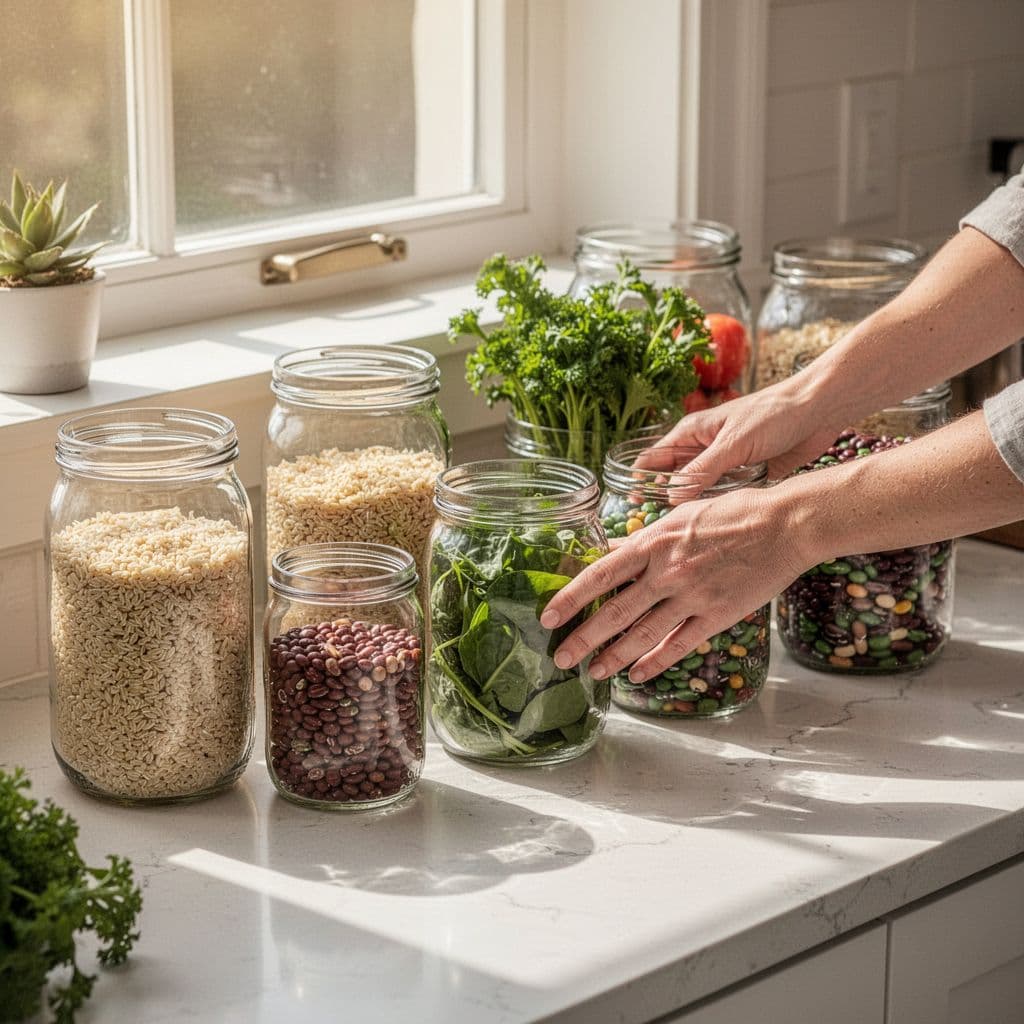
A pot of rice, quinoa, or pasta can become bowls, tacos, or quick stir-fries later in the week. Washed greens, chopped carrots, and a simple sauce also make a big difference because they cut out the most time-consuming parts of dinner. If you want more ideas for building a repeatable prep routine, meal prep tips for busy families gives a practical starting point.
Small wins matter on school nights. Even one pre-cooked protein or a container of chopped vegetables can be the difference between cooking and ordering takeout.
Use freezer and pantry staples to your advantage
Keep your kitchen stocked with foods that can step in when the plan falls apart. Canned beans, frozen veggies, pasta, rice, tortillas, and frozen tofu or veggie bites give you a backup dinner without a store run.
That kind of pantry saves time and protects your energy. Frozen corn can go into tacos, canned chickpeas can become a quick curry, and tortillas can turn beans and vegetables into quesadillas or wraps. For more weeknight-friendly planning ideas, simple plant-based family meal planning is a helpful resource.
A few easy backup dinners include:
- Rice, beans, and frozen broccoli
- Pasta with jarred sauce and peas
- Tortilla wraps with hummus and veggie bites
- Chickpea bowls with frozen corn and salsa
In short, keep a few shelf-stable and freezer foods on hand, and dinner stays flexible even when your schedule does not.
Plan meals around one or two anchor ingredients
Instead of planning seven different dinners, pick one or two anchor ingredients and build around them. A batch of rice, pasta, or beans can stretch into several meals without feeling repetitive.
For example, cooked rice can become a burrito bowl one night, fried rice the next, and a soup topper later in the week. Beans can move from tacos to chili to loaded sweet potatoes. Pasta can show up with marinara, a creamy sauce, or tossed with roasted vegetables.
This kind of planning keeps grocery lists shorter and dinner decisions simpler. It also helps you use what you already bought before it goes bad. One base ingredient, then a few different sauces, toppings, or sides, is often all you need to keep plant-based dinners easy and kid-friendly.
Simple Ways to Win Over Picky Eaters
Getting a child to embrace new plant-based meals often feels like a challenge, but the secret is keeping the pressure low and the engagement high. When you shift the focus from getting them to take a specific bite to making the environment welcoming, the stress usually fades away. You can explore feeding tips for difficult toddler eaters to help navigate these early mealtime milestones with more confidence.
Let kids help choose, build, and serve the meal
Children often feel much more invested in a meal when they have a hand in creating it. Letting them participate in the kitchen turns a potentially tense dinner into a collaborative project where they have a sense of ownership over what ends up on their plate. You might ask them to pick which vegetable to add to a stir-fry or have them assemble their own tacos by choosing from various bowls of toppings.
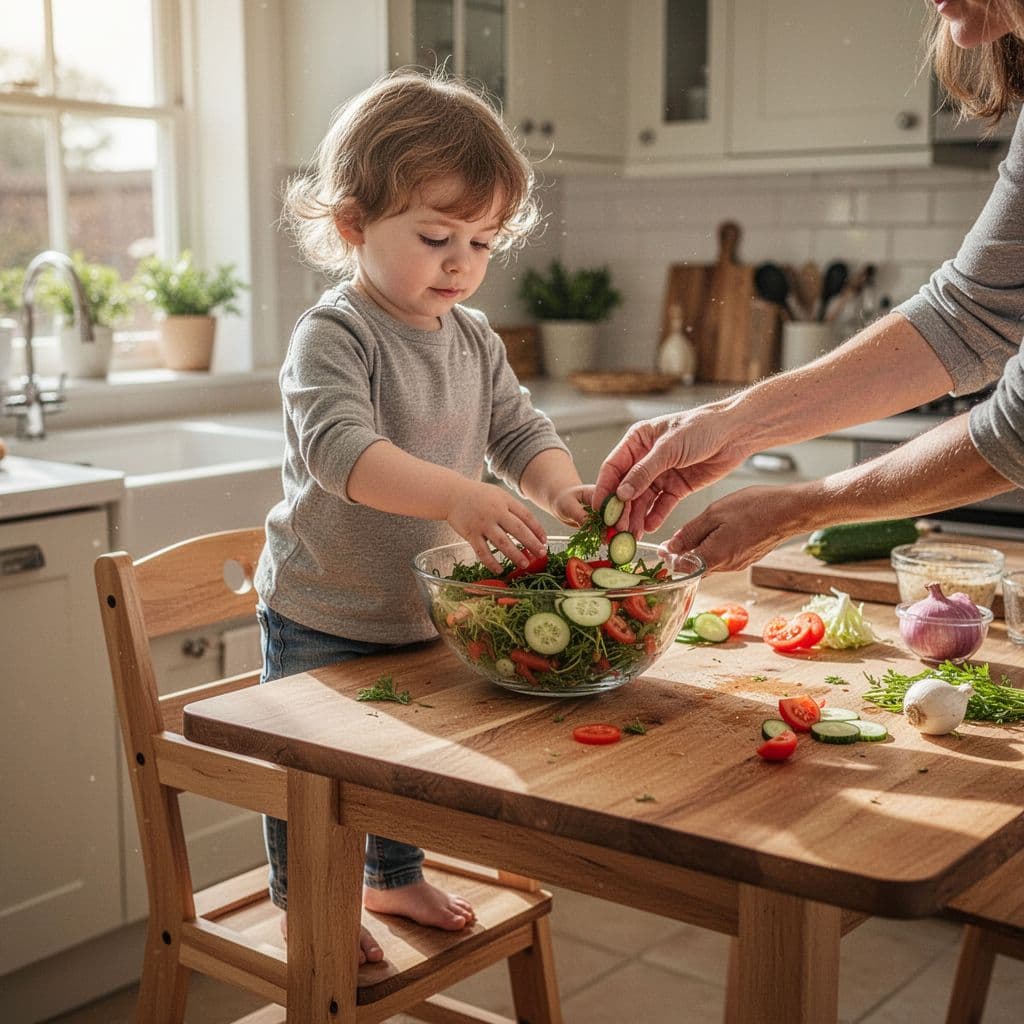
This sense of control is powerful for selective eaters. When they choose the beans, the corn, or the avocado for their burrito, the food becomes their creation rather than just another item you placed in front of them. Serving the meal family-style also gives them the freedom to build their own portions, which helps them feel like an equal participant at the table. To see how these small acts of independence add up, look at these simple homemade baby food recipes for building foundational habits.
Pair new foods with one safe favorite
Serving a entirely new dish can feel overwhelming to a child who prefers predictability. Instead of making a meal where every component is unfamiliar, try pairing one new plant-based item with a food you know they already enjoy. If you are introducing a new lentil pasta, for example, serve it alongside a side of fruit, bread, or rice that they reach for consistently.
Having a safe option on the plate lowers the stakes significantly. It ensures that dinner remains a positive experience even if they aren’t quite ready to try the new recipe right away. This strategy, often referred to as food chaining, helps children branch out at their own pace without feeling forced. By turning your child into a plant-based food adventurer, you create a path where they feel safe enough to eventually branch out into more adventurous flavors.
Repeat meals in small ways so kids get used to them
It is normal for children to reject a new flavor the first few times they see it. Research suggests that it can take many exposures before a child feels comfortable enough to actually taste and enjoy a new food. Rather than viewing a refusal as a permanent “no,” think of it as a step toward familiarity.
Keep offering the food in small, low-pressure amounts without making a big deal out of it. If they choose not to eat it, that is fine. The simple act of seeing the food on the table, smelling it, and knowing it is a regular part of family meals eventually builds the trust they need to take that first bite. You can find more evidence-based approaches for picky eaters that emphasize continued, gentle exposure over forced bites. Consistency is your best tool here, so keep the routine steady and let them move toward the new food in their own time.
Conclusion
Kid-friendly plant-based dinners don’t need to be fancy or perfect to satisfy your family. By focusing on familiar flavors, keeping your prep simple, and offering flexible options at the table, you create a space where everyone feels comfortable and well-fed.
Even swapping in just a few easy plant-based meals each week makes a noticeable difference in your routine. Start small, stay consistent, and remember that every positive experience at the table builds lasting confidence for your children.
Save pin for later

- 12 Things Pregnant Women Do When They’re Alone - June 7, 2026
- 25 Healthy Pregnancy Snacks You Should Try - June 7, 2026
- 100 Funny Baby Jokes That Will Make You Laugh - May 15, 2026