


Sleep loss, nonstop feeding, and a body that’s still healing can make even the smallest day feel heavy. In this stretch, self-care rituals for new moms with newborns are not a luxury, they help protect your energy, mood, and recovery when you need them most.
The good news is that self-care can be small, realistic, and done in minutes, even on days when the baby barely lets you sit down. If you’re looking for simple ways to adjust to newborn life, these rituals fit real life and can help you feel more steady right away.
Why self-care feels so hard in the newborn stage

The newborn stage can make self-care feel out of reach, even when you know you need it. Your day is split into tiny pieces, your needs keep getting pushed back, and the idea of a calm routine can feel far away.
That struggle is normal. New moms are often dealing with broken sleep, physical healing, constant feeding, and a lot of mental noise at once. The best self-care rituals fit inside that reality, instead of asking you to build a perfect schedule first.
Your body is still recovering, even when life keeps moving
Birth recovery takes real energy. Sore muscles, bleeding, breastfeeding changes, and hormone shifts can all change how you feel from one hour to the next. Some days you may feel sore and foggy, then suddenly tearful or drained for no clear reason.
That does not mean you are doing anything wrong. Your body is healing from a major event, and it needs rest, food, water, and gentleness. The postpartum recovery timeline is different for every mom, but the need for patience is the same.
Rest is not an extra reward after everything is done. It is part of the healing process.
It also helps to remember that basic care counts as self-care right now. A shower, a nap, a hot meal, or five quiet minutes with your feet up can all support recovery. The U.S. Office on Women’s Health notes that the first days at home are a time for rest and pacing yourself, not pushing through.
Sleep loss changes everything, including patience and mood
Broken sleep affects more than energy. It can blur your thinking, make emotions feel sharper, and crank up stress faster than usual. Hunger can also hit harder when you have not slept well, so even small tasks can feel heavier than they should.
That is why a tired mom may feel irritable, teary, or scattered and then wonder what happened. Often, it is not a character flaw. It is a sleep-deprived nervous system trying to get through another round of diapers, feeds, and soothing.
Short rest breaks can help more than people expect. Even lying down for 10 minutes, closing your eyes while the baby naps, or sitting down with a glass of water can help you feel a little more steady. The goal is not a perfect reset, just enough relief to get through the next stretch with less strain.
A few simple resets can make the day feel less jagged:
- Lie down when you can instead of waiting until everything is finished.
- Eat something easy before you hit the point of feeling shaky.
- Put the phone down for a few minutes so your brain gets one less signal to process.
- Accept help quickly when someone offers it, even if the task is small.
When you are this sleep-deprived, self-care has to be practical. That usually means choosing the smallest thing that helps your body and mind settle, not the thing that looks best on a list.
Start with tiny rituals that fit into a newborn day
When your day is built around feedings, burping, and rocking, self-care has to get smaller. Tiny rituals work because they meet you where you are, right in the middle of a messy, stop-and-start day.
You do not need a full routine to feel more like yourself. You need a few repeatable moments that give your body a break and your mind one less thing to hold. Even a calm minute can change the tone of the next hour.

Use nap time for rest, not catch-up chores
When the baby sleeps, rest should come first. Chores will always wait for more time, but your energy is limited right now.
A short nap can help if you are running on fumes. If sleep does not happen, lying down with your eyes closed still gives your body a pause. Even sitting in silence for a few minutes can lower the pressure you feel.
Try to treat baby sleep like a reset window, not a productivity challenge. Folding laundry can wait, but your body may need recovery more than a clean countertop. The U.S. Office on Women’s Health also reminds new moms to rest and pace themselves in the early postpartum days.
A simple rule helps here:
- Nap if you can
- Rest with your eyes closed if you can’t sleep
- Sit still without a task if that feels like all you have
That small shift protects you from burning through every spare minute. It also keeps the day from turning into one long to-do list.
Build a five-minute reset you can repeat daily
A daily reset does not need to be fancy. It just needs to be easy enough that you can actually do it.
Start with one or two actions that feel good in your body. Drink a glass of water, take a few slow breaths, wash your face, stretch your shoulders, or step outside for fresh air. If you want more ideas for starting the day gently, simple morning routines for new mothers can help you shape a version that fits your pace.
The best reset is the one you can repeat without thinking too hard. Some days, that may mean standing by an open window with your coffee. Other days, it may be three deep breaths while the baby feeds. The point is consistency, not a perfect routine.
A quick reset can look like this:
- Take a few sips of water.
- Breathe in slowly and exhale fully three times.
- Wash your face or rub lotion into your hands.
- Stretch your neck, shoulders, or back.
- Step outside for a minute, if you can.
Small resets can feel almost too simple, but that is what makes them useful. They give you a steady rhythm when the rest of the day feels broken into pieces.
Keep comfort items within reach
When your basics are close by, everything feels easier. You spend less time searching and less energy on avoidable stress.
Keep a small setup near your usual feeding spot or chair. Water, snacks, lip balm, postpartum pads, a phone charger, and nursing supplies should be easy to grab with one hand. That way, you can care for yourself without getting up again and again.
A simple basket, tray, or caddy can make a big difference. It turns scattered supplies into a quiet support system. If you want more ways to make the day run smoother, how to sleep train a newborn also covers soothing habits that can help create more predictable pockets of calm.
Try keeping these within reach:
- A water bottle so hydration is automatic
- Quick snacks like fruit, nuts, or crackers
- Lip balm and lotion for dry skin
- Postpartum pads and wipes for easier changes
- A charger so your phone does not die mid-feed
- Nursing items like burp cloths, creams, or pump parts
The less you have to hunt for, the less drained you feel by the end of the day.
These tiny comforts do not fix everything, but they remove friction. That matters when your whole day already asks so much of you.
Make basic needs part of your self-care ritual
Basic care is self-care in the newborn stage. When you eat, drink, and move a little, you give your body the support it needs to keep going.
That matters because your needs do not disappear just because the baby needs you often. Simple routines around food, water, and gentle movement can steady your energy, mood, and recovery without adding pressure. If you’re also trying to make feeding time easier, newborn feeding and routine advice can help you set up a calmer day around the baby’s needs too.
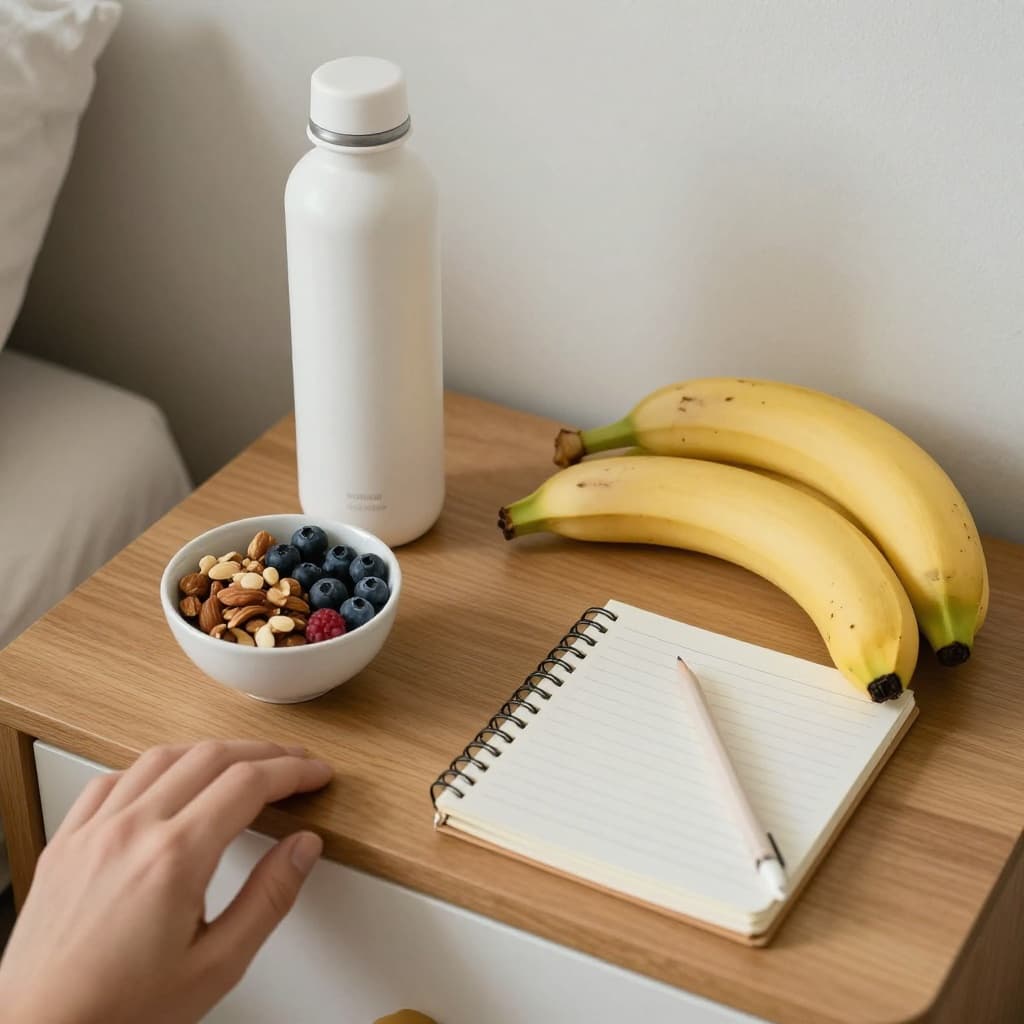
Eat enough, even if the meals are simple
You do not need perfect meals right now. You need food that is easy to reach, quick to eat, and steady enough to keep your blood sugar from crashing.
Simple options work well on newborn days. Try yogurt with fruit, scrambled eggs, toast with peanut butter, soup, cheese and crackers, or a small snack plate with nuts, sliced veggies, and hummus. If you want a fuller option, a bowl with rice, beans, and avocado can come together fast and still feel satisfying.
Skipping meals often backfires. It can make fatigue, irritability, and stress feel worse, especially when you are already sleep-deprived. The Mayo Clinic’s breastfeeding nutrition guide also notes that drinking and eating well matters even more during breastfeeding.
A few easy ideas can help on busy days:
- Keep ready-to-eat snacks near your feeding spot.
- Make extra soup or eggs when you have a free moment.
- Eat before you feel shaky or overly hungry.
- Choose simple meals often, not only when you have time to cook.
Drink water before you feel drained
Hydration can slip fast when you are caring for a newborn, especially if you are breastfeeding. Your body uses more fluid, and thirst can sneak up after several feeds.
Keep water where you already spend time. Put a bottle by the bed, another near the couch, and one by the diaper changing area. That way, water becomes part of the rhythm of the day instead of another task to remember.
A good habit is to sip during feeds or right after them. If plain water gets boring, add lemon, berries, or cucumber for a little flavor. You can also pair hydration with food, like soup or fruit, so you get both at once.
Move gently to help your body and mind
Movement should feel supportive, not punishing. A short walk down the block, a few shoulder rolls, or gentle stretching can help loosen stiffness and clear your head.
Once your doctor clears you, light postpartum exercises can be part of this too. The goal is not to bounce back. It is to reconnect with your body in a way that feels kind and manageable.
Fresh air helps more than people expect. Step outside for a few minutes, even if it is just to stand on the porch or walk to the mailbox. A small change of scenery can break up the day and give your mind a reset.
A simple approach works best:
- Start with a five-minute walk or stretch.
- Stop before you feel wiped out.
- Repeat when it feels good, not when you think you should.
When basic needs become part of your self-care ritual, the day feels a little more supported. Food, water, and gentle movement do not add another chore, they help you care for the person doing all the caring.
Protect your mood with calm, connection, and support
Newborn care can leave your emotions stretched thin. Small comforts help, but mood protection also comes from people, not just routines. A calmer day often starts with one kind choice, one honest message, and one person who knows you need a hand.

Say yes to help before you feel overwhelmed
Accepting help can look very ordinary. It might mean a friend drops off dinner, a family member folds laundry, someone holds the baby while you shower, or a neighbor grabs groceries. Those small acts can take real pressure off your day.
Be specific when you ask. “Can you bring soup on Thursday?” works better than “Let me know if you can help.” Clear requests make it easier for people to say yes, and they help you get the support you actually need.
If you want to make it easier on yourself, keep a short list on your phone. Include meal ideas, quick errands, and chores that drain you most. Support is a normal need in the newborn stage, not a sign that you’re failing.
Find a small way to stay connected
Loneliness can sneak in fast when your days revolve around feeding and soothing. A short text to a friend, a quick voice note, or a check-in with another parent can help you feel less alone. Even a few minutes of real conversation can make the day feel lighter.
You do not need a big social plan. A new mom group, a partner check-in after bedtime, or a few minutes chatting with someone online can help you feel seen. If you need more ideas for practical support, how to ask for help as a new mom has simple ways to make the first step easier.
A little connection can work like a window cracked open in a stuffy room. It doesn’t fix everything, but it lets in air.
Watch for signs that you need extra support
Some mood changes are more than newborn exhaustion. If you feel sad most of the time, panicky, numb, disconnected from your baby, or unable to cope, take that seriously. Trouble sleeping even when you have a chance to rest can also be a warning sign.
Reaching out early helps. A doctor, OB-GYN, therapist, or mental health professional can talk through what you’re feeling and help you find the right next step. The National Institute of Mental Health notes that persistent sadness, anxiety, and fatigue after birth can be signs of perinatal depression, and the Mayo Clinic says severe anxiety, panic attacks, and thoughts of harm need urgent attention.
If your feelings are getting heavier instead of easing up, you deserve support sooner, not later.
Getting help is a caring response, not an overreaction. When your mood feels too heavy to carry alone, that is the moment to bring in backup.
Create a simple routine that gives your day some shape
A newborn day rarely follows a clean plan, so a loose routine can help more than a strict schedule. You are not trying to control every hour. You are giving the day a few points to hold onto, which makes everything feel less scattered.
That kind of rhythm can calm your mind because it reduces guesswork. When you know what usually comes next, even roughly, the day feels more manageable. The routine can bend, and that is the whole point.

Pick one morning, afternoon, and evening anchor
A good routine does not need a long checklist. It only needs a few repeatable moments that signal the shape of the day. For example, you might open the curtains in the morning, eat a snack in the afternoon, and do a short wind-down at night.
These anchors work because they give your brain familiar markers. Morning light says the day has started. A planned snack reminds you to pause. A quiet evening habit tells your body it can begin to settle.
Try to keep each anchor simple and realistic. You might:
- Open the blinds and drink water before checking your phone.
- Sit down for a snack during one predictable baby nap.
- Turn off bright lights and stretch for two minutes before bed.
Small anchors can also help when the day goes sideways. If one part falls apart, the others still give you something steady to return to. That is what makes a loose rhythm feel calming instead of demanding.
A routine with anchors gives you direction without boxing you in.
If you want a few more ideas for keeping your day steady, realistic postpartum daily routines can spark a simple version that fits your home and your baby.
Keep expectations low and adjust often
Newborn routines change all the time. Sleep shifts, feeds move around, and some days your baby will need more comfort than usual. Because of that, your routine should work like a guide, not a rule book.
A good day with a newborn is a flexible day. You still get credit when you eat a late lunch, skip a walk, or move bedtime by an hour. The goal is not perfect timing, it is a rhythm that helps you feel less lost.
It helps to check in with your routine every few days. If morning feels too rushed, move the anchor later. If evenings feel chaotic, make the wind-down even shorter. Small changes are easier to keep than big fixes.
A flexible routine can also lower pressure. Instead of asking, “Did I do this right?” you can ask, “What would help right now?” That simple shift makes room for real life, which is exactly what the newborn stage needs.
If you need a reminder that flexibility is normal, simple daily routines for moms show how a few steady touchpoints can support your day without making it rigid.
The best routine is the one you can return to tomorrow, even after a messy day today.
Conclusion
The newborn stage asks a lot from you, so your self-care has to stay small, simple, and real. A few minutes of rest, water, food, fresh air, or quiet support can help you protect your energy and steady your mood when the day feels unsteady.
What matters most is not doing it perfectly. It is meeting basic needs, asking for help, and giving yourself tiny pauses before you run empty. If you want more ideas that fit a packed day, these simple self-care routines for tired moms can help keep things manageable.
Small rituals do add up. They support healing, make hard days feel more workable, and remind you that care for yourself belongs in the newborn stage too.
Save pin for later


- 12 Things Pregnant Women Do When They’re Alone - June 7, 2026
- 25 Healthy Pregnancy Snacks You Should Try - June 7, 2026
- 100 Funny Baby Jokes That Will Make You Laugh - May 15, 2026