

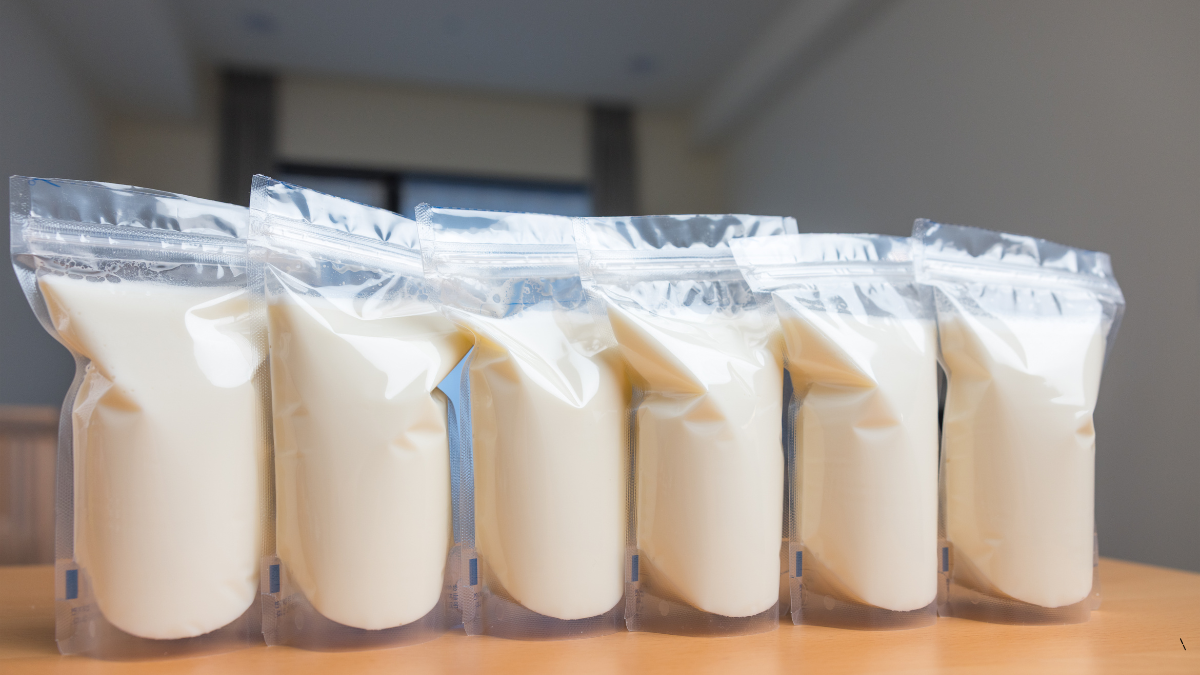
Many breastfeeding parents look for natural ways to support milk production, and that search can feel urgent when supply seems low. Lactogenic foods, also called galactagogues, may help some people when they’re paired with frequent nursing or pumping, good hydration, and enough calories.
Food alone isn’t a magic fix, but it can be part of a routine that supports your body day by day. If you’ve been wondering what to eat when your supply needs a little help, a few smart choices can make it easier to stay nourished while you breastfeed, and these breastfeeding supply tips can help too.
Below, you’ll find 15 lactogenic foods, how they may help, and simple ways to work them into everyday meals without adding stress.
What lactogenic foods are and how they may support breastfeeding
Lactogenic foods are foods people believe may support breast milk production. You may also see them called galactagogues. The idea is simple, some foods add key nutrients, healthy fats, and plant compounds that may help your body stay well nourished while breastfeeding.
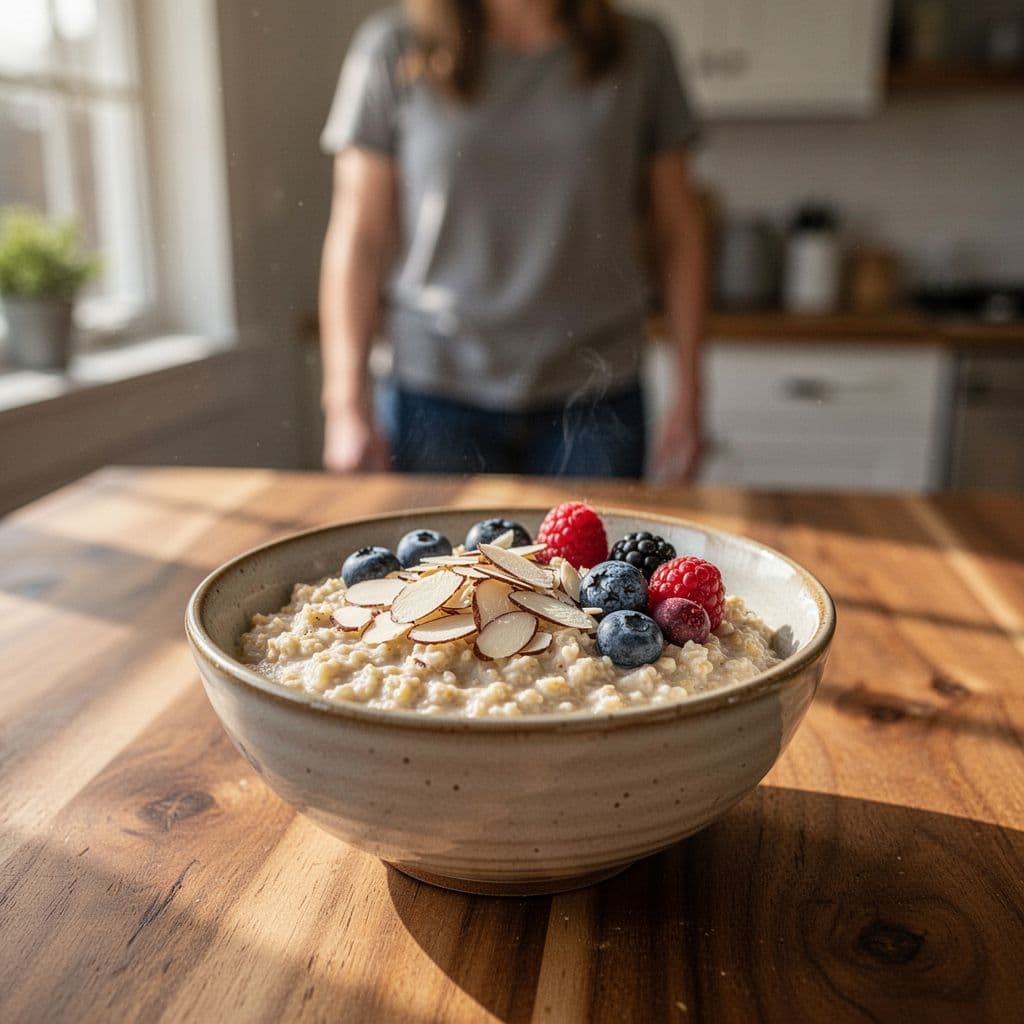
Many of these foods are common, everyday items, like oats, nuts, seeds, beans, leafy greens, and certain grains. They can fit into a balanced diet without much effort, which is part of why so many parents like them. If you want a broader look at feeding habits that support nursing, these breastfeeding and pumping essentials can also help you build a better routine.
Why food matters, but only as part of the bigger picture
Food can support breastfeeding, but it does not work alone. Milk supply usually depends most on regular milk removal, a good latch, enough calories, fluids, and as much rest as you can get. If feeding or pumping is not moving milk well, no bowl of oats can fully make up for that.
Lactogenic foods may help by giving your body more of what it needs to make milk and keep up with the demands of nursing. That said, they cannot fix latch problems, stress, dehydration, or anemia by themselves. If supply feels off, the first step is usually to look at feeding mechanics and your overall recovery, not just your grocery list.
Foods can support the system, but they are not the system.
What to expect from natural milk supply support
Results are different for everyone. Some parents feel a change after adding certain foods or drinks, while others notice nothing at all. That gap is normal, because supply is shaped by many moving parts.
Gentle, consistent habits usually matter more than eating a huge amount of one food. A serving of oatmeal each morning, a snack with nuts and seeds, or regular meals with enough protein can be more useful than trying to force a single “milk booster” to do all the work. In other words, steady support beats one dramatic fix.
It also helps to keep expectations realistic. Lactogenic foods are part of a supportive breastfeeding plan, while true medical treatment for low supply may involve solving an underlying issue, such as poor transfer, hormone problems, blood loss, or iron deficiency. If the numbers do not improve, the answer is often a closer look at the full picture, not more of the same food.
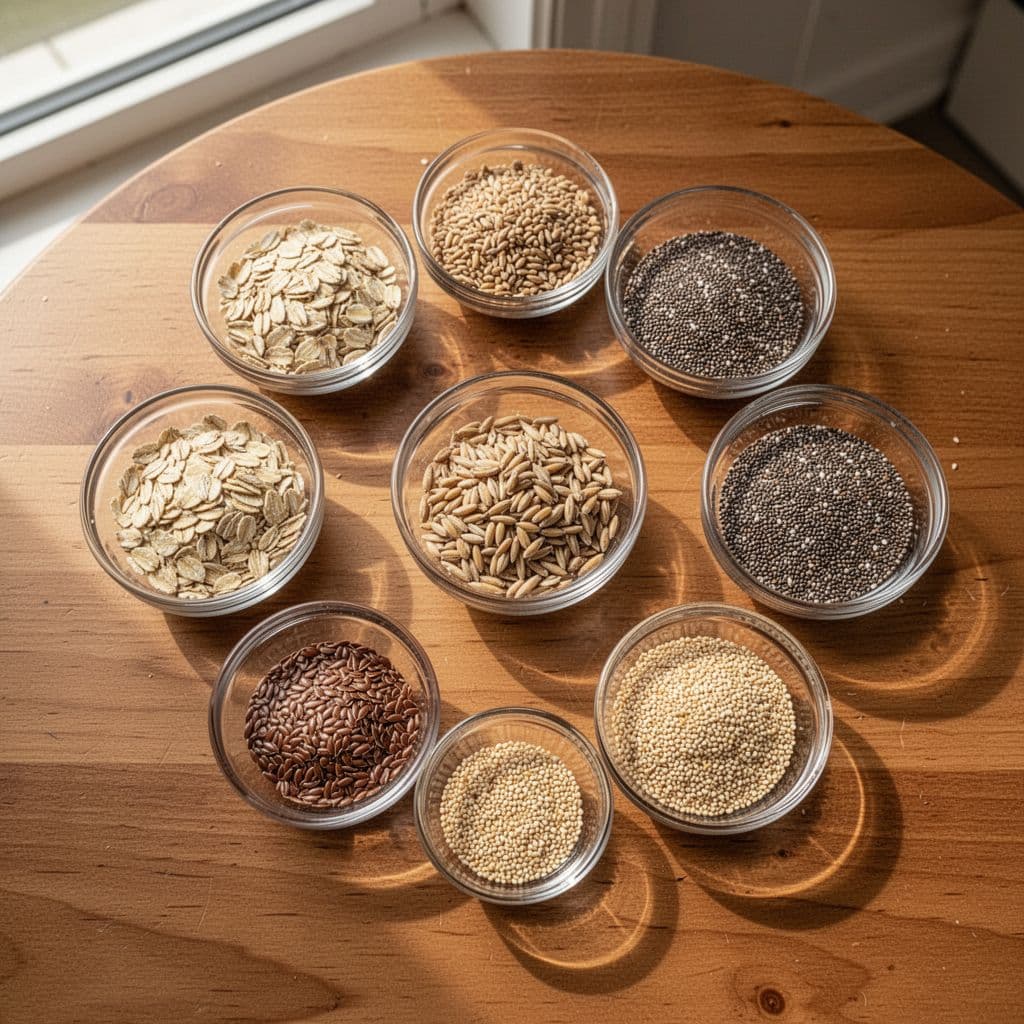
The top lactogenic grains and seeds to add to your day
If you want easy foods that fit into real life, grains and seeds are a smart place to start. They are affordable, familiar, and simple to add to breakfast or snacks without a lot of prep.
This group works well for busy parents because it fits into foods you may already eat. A little oats in the morning, barley in soup, or seeds sprinkled over yogurt can make your meals feel more filling without adding extra stress.
Oats, a classic breastfeeding favorite
Oats are one of the best-known lactogenic foods for good reason. They are warm, comforting, and easy to use in all kinds of meals. Many parents reach for them because they feel nourishing and take very little effort.
You can keep it simple with oatmeal, or make a bigger batch of overnight oats for grab-and-go mornings. Baked oats, granola bars, and oat-based muffins also work well when you need something you can eat with one hand.
For even more easy meal ideas, these healthy snacks to increase breastmilk supply can help you build a simple routine. Oats fit that same pattern, they are practical, budget-friendly, and comforting when your day already feels full.
Barley for soups, bowls, and soothing drinks
Barley is another grain many breastfeeding parents keep in rotation. It is filling, mild in flavor, and easy to mix into meals without taking over the dish.
Add it to soups, stews, grain bowls, or even a side dish with vegetables and protein. Barley water is another common option, and it gives you a simple way to use the grain without much cooking fuss.
Because the flavor stays gentle, barley works well if you do not want a strong taste change. It adds texture and bulk, which can help meals feel more satisfying when you are eating more often.
Brewer’s yeast, a small add-in with a big nutrient boost
Brewer’s yeast is a popular add-in for breastfeeding recipes, especially lactation bites and baked snacks. It also blends into pancakes, muffins, and smoothies if you want a quick boost without changing your whole meal plan.
The flavor is strong, so start small. A little goes a long way, and too much can make recipes taste bitter.
It may not agree with everyone’s stomach, so pay attention to how you feel after eating it. If it causes bloating or discomfort, it may not be the best fit for you.
Chia, flax, and sesame seeds for easy daily support
These seeds are easy to use because they work with food you already make. You do not need special recipes or a lot of time, which makes them a practical choice for everyday use.
A spoonful can go into yogurt, oatmeal, cereal, or smoothies. Chia also works well in pudding, while flax is easy to stir into baked goods or a morning bowl. Sesame is useful as a topping, and tahini gives you a creamy way to add it to dressings, sauces, or toast.
These small additions can quietly boost the nutrient value of your meals. Since they are simple to sprinkle, stir, or blend, they are easy to keep in regular rotation.
The easiest lactogenic foods are the ones you will actually eat every day.
For a broader view, the University of Washington breastfeeding food guide also lists several of these grains and seeds as common lactation-friendly choices.
If you want the simplest place to begin, choose one grain and one seed. That gives you an easy way to support your meals without turning breastfeeding nutrition into another full-time job.
Vegetables and legumes that bring nutrients and comfort to meals
Vegetables and legumes do a lot of quiet work in postpartum meals. They add fiber, vitamins, minerals, and steady energy, which matters when you are feeding often and trying to recover at the same time.
These foods also fit real life. You can toss them into breakfast, lunch, or dinner, and they still feel warm, filling, and easy to digest. That makes them a strong choice when you want meals that support your body without a lot of extra effort. For more help with that bigger picture, postpartum meal planning for better recovery can make daily eating feel less chaotic.
Dark leafy greens like spinach and kale
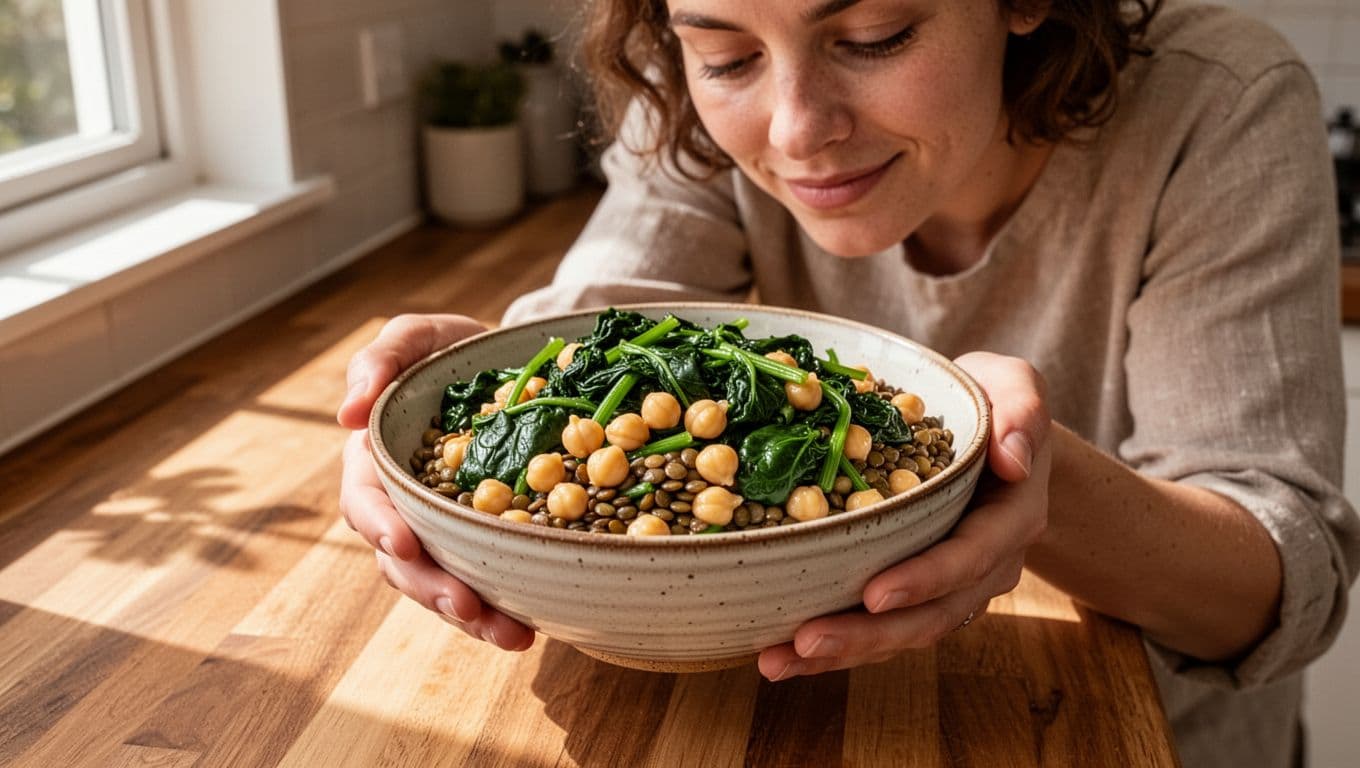
Leafy greens show up often in postpartum meals because they are easy to use and full of useful nutrients. Spinach and kale bring iron, folate, vitamin K, and vitamin A, which can support recovery and overall nourishment during breastfeeding.
They also work in simple dishes. A handful of spinach in scrambled eggs, a quick kale sauté with garlic, or a bowl of soup with greens stirred in can add nutrition fast. Salads are another easy option when you want something fresh, while cooked greens can feel gentler if your stomach prefers warm food.
A few easy ways to use them:
- Toss spinach into eggs, omelets, or breakfast wraps.
- Sauté kale with olive oil, garlic, and a little salt.
- Add chopped greens to chicken soup, lentil soup, or vegetable broth.
- Mix baby spinach into salads for a softer texture.
Cooked greens are often easier to eat when you are tired, sore, or short on time.
Leafy greens also pair well with foods rich in vitamin C, which helps your body use plant-based iron better. The CDC’s breastfeeding nutrition guidance notes that plant foods can be part of a healthy breastfeeding diet, especially when you keep variety in the mix.
Beans, lentils, and chickpeas for protein and staying full
Beans, lentils, and chickpeas are budget-friendly staples that work hard in a breastfeeding diet. They give you protein, fiber, and slow-burning carbs, so meals feel more steady and satisfying.
That matters when your feeding schedule is packed. A lentil soup, bean salad, or hummus plate can come together fast, and leftovers hold up well for the next meal. Chickpea pasta is another easy swap when you want a quick dinner that still feels filling.
These foods also fit into many types of meals:
- Spread hummus on toast or crackers for a quick snack.
- Add lentils to soup, chili, or grain bowls.
- Toss beans into salads with olive oil and herbs.
- Use chickpea pasta when you need a fast pantry meal.
Because they are so flexible, legumes are useful on busy days when you need food that is ready before the baby finishes crying. They can help you stay fed without relying on convenience foods that leave you hungry an hour later.
Fennel and other plant foods with a long tradition in breastfeeding
Fennel has a long place in traditional breastfeeding foods, and many people still use it today. Some drink it as tea, some chew the seeds, and others cook the bulb into soups, salads, or roasted vegetable dishes.
The evidence is mixed, so it makes sense to keep the language balanced. Fennel may be part of a lactation routine for some parents, but it should not be treated like a sure fix. Still, its mild, slightly sweet flavor can make meals more pleasant during postpartum recovery, which matters when your appetite feels off.
Other plant foods with a long breastfeeding history include anise, fenugreek, and moringa. Some people enjoy them in tea or cooked dishes, while others prefer to keep things simple with fennel seed in a broth or roasted vegetables with herbs.
Gentle flavor additions can make a difference. When meals taste comforting, you are more likely to eat enough, and that consistency supports breastfeeding better than chasing one miracle food.
Nut and fruit options that are easy to snack on between feedings
When you need food in a hurry, nuts and fruit are hard to beat. They are portable, filling, and easy to eat with one hand, which matters when a baby is already in your arms. They also work well as a snack, a quick breakfast, or a simple sweet bite after dinner.
The best part is how little effort they need. A handful of nuts, a few dates, or a slice of toast with nut butter can keep you going without a full meal prep session. For more ideas that fit a low-supply routine, foods that increase milk supply can give you extra options to keep on hand.
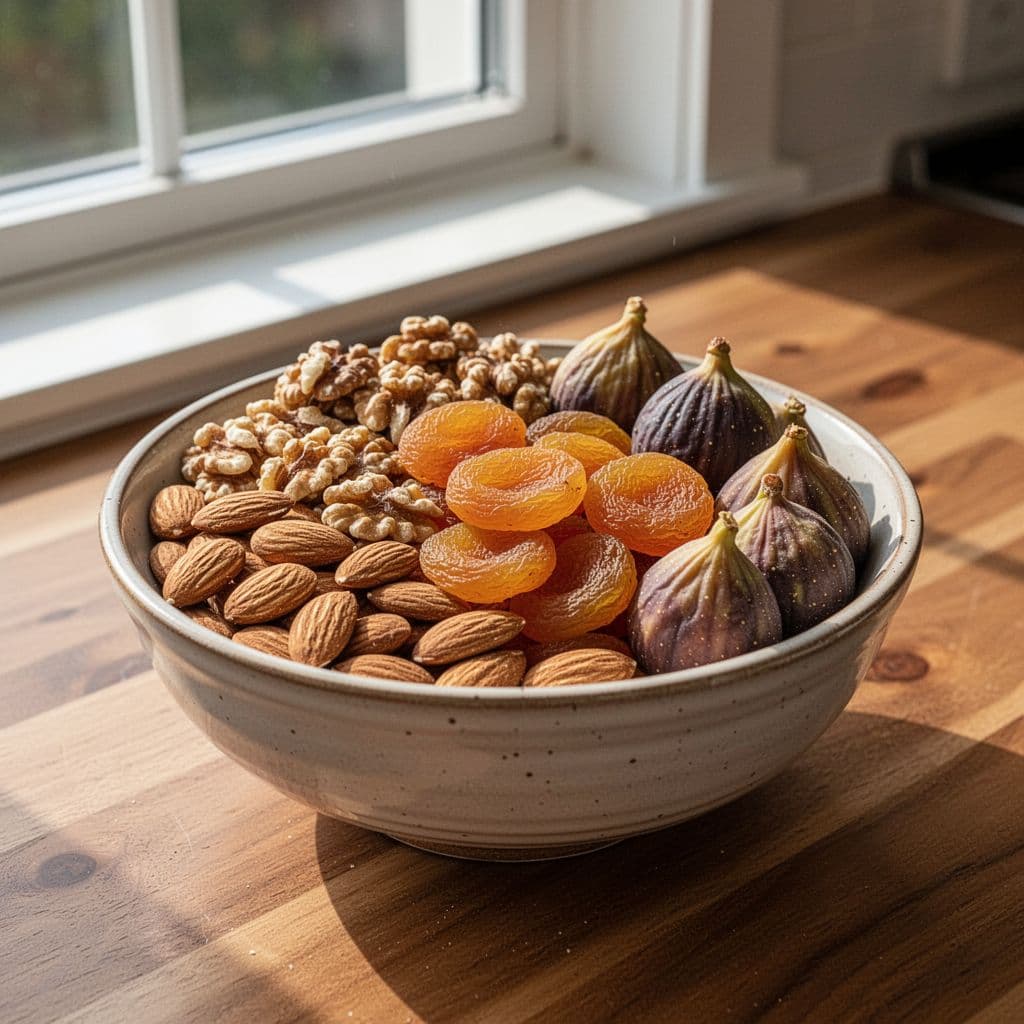
Almonds and other nuts for healthy fats and easy calories
Nuts are one of the easiest breastfeeding snacks to keep around because they pack a lot into a small serving. They bring healthy fats, protein, and calories in a form you can grab fast, and that matters on days when sitting down for a full meal feels impossible. A small handful can tide you over until the next feeding or nap window.
Almonds are a popular choice, but walnuts, cashews, pistachios, and pecans also fit well into a postpartum snack routine. Walnuts add omega-3 fats, while cashews bring a soft texture that works well in homemade snack balls or creamy spreads. For a quick reference on nut benefits, LactApp’s look at nuts and breastfeeding covers why they fit so well into nursing diets.
A few easy ways to use them:
- Make a simple trail mix with nuts, seeds, and a little dried fruit.
- Spread nut butter on toast, rice cakes, or apple slices.
- Sprinkle chopped almonds over yogurt or oatmeal.
- Keep single-serve portions in the diaper bag or beside your nursing spot.
The best snack is the one you can eat before the baby needs you again.
If you want a balanced bite, pair nuts with fruit or a carb source. That mix gives you quick energy and staying power, which is exactly what tired parents need.
Dates, figs, and dried fruit for fast, portable energy
Dried fruit is another smart choice when you need something sweet, filling, and easy to keep nearby. Dates, figs, raisins, apricots, and dried mango all store well and stay ready for those in-between moments when you don’t have time to cook. They are especially handy during long nursing sessions or late-night feeds.
Because dried fruit is concentrated, a small portion can feel satisfying fast. That makes it useful when you need quick calories without making a mess. Dates are especially popular in simple snack recipes, while figs and apricots bring a chewy texture that feels a little more substantial.
For a more balanced snack, try pairing dried fruit with:
- A handful of almonds or walnuts.
- Plain or Greek yogurt.
- Toast with nut butter.
- Cheese and whole-grain crackers.
That combo helps keep blood sugar steadier than dried fruit alone. It also feels more complete, which can matter when you’re eating in short bursts between feeding sessions. The Nuts for Life breastfeeding guide also notes that nuts are nutrient-dense, which is one reason they work so well alongside dried fruit.
Sweet potatoes, carrots, and other orange vegetables
Orange vegetables are not usually thought of as snacks first, but they bring a lot to postpartum meals. Sweet potatoes and carrots are full of nutrients, and they have a comfort-food quality that makes them easy to keep eating when your energy is low. They work especially well when you want something warm, soft, and filling.
Roasted sweet potatoes are one of the simplest options. You can batch-cook them once, then eat them cold, warm, or mashed with a little butter or olive oil. Carrots are just as flexible, whether you roast them, steam them, or blend them into soup for a quick lunch.
Try using them in simple, no-fuss ways:
- Roast sweet potatoes and keep them in the fridge for quick bowls.
- Mash carrots with a little salt and butter for an easy side.
- Blend orange vegetables into soups for lunch or dinner.
- Add them to meal-prep bowls with grains, beans, and protein.
These foods are easy to reheat and easy to finish, even with one hand free. They also fit well into the kind of plain, practical meals most new parents actually eat. When you want something a little more complete, tuck roasted vegetables into a bowl with nuts or a slice of toast on the side.
A snack routine does not need to be fancy to be useful. Keep one crunchy option, one sweet option, and one softer option within reach, and you will have a simple mix that works between feedings.
Proteins, fats, and flavor boosters that round out a milk-supporting diet
Lactogenic foods get a lot of attention, but a breastfeeding diet works best when it also has enough protein, fat, and flavor to keep meals satisfying. If you are underfed, tired, or skipping meals, even the best supply-friendly foods can fall short.
That is why simple, nourishing add-ons matter. Eggs, yogurt, chicken, fish, herbs, and healthy fats can help you build meals that feel complete, not just “breastfeeding-friendly” on paper. When your plate keeps you full and your energy steadier, it gets easier to eat enough throughout the day.
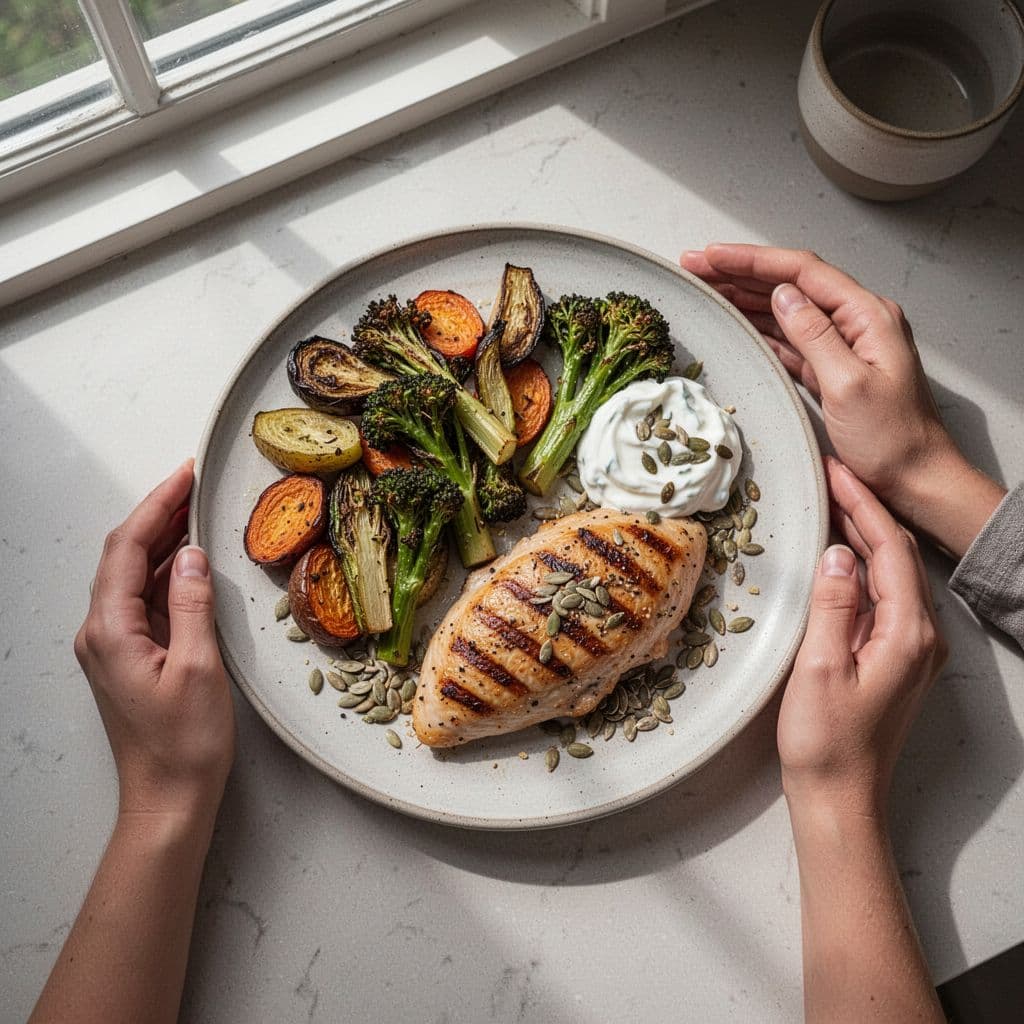
Eggs, yogurt, chicken, and fish for balanced postpartum meals
Eggs, yogurt, chicken, and fish are easy protein choices for postpartum meals. They do not get labeled as classic galactagogues as often, but they support the bigger job, helping you stay fed, recover, and keep up your energy. The CDC’s breastfeeding nutrition guidance also points to protein and overall nutrient intake as part of a healthy breastfeeding diet.
They are also convenient. You can keep eggs in the fridge, use yogurt as a fast snack, make chicken soup in a big batch, or cook a low-mercury fish dinner with a side of vegetables and grains.
A few simple meal ideas make them even easier to use:
- Egg breakfast plates with toast, fruit, and avocado.
- Yogurt bowls with oats, seeds, and berries.
- Chicken soup with vegetables, barley, or rice.
- Fish meals with salmon, sweet potatoes, and greens.
For a quick look at how these foods fit into breastfeeding nutrition, this breastfeeding food guide from UPMC includes eggs, yogurt, chicken, and low-mercury fish as helpful staples. The goal is simple, eat meals that carry you through the day without extra fuss.
Garlic, ginger, basil, and other herbs often used in breastfeeding recipes
Herbs and spices show up in many traditional breastfeeding recipes because they add flavor and make simple foods easier to enjoy. Garlic, ginger, basil, fennel, cumin, and turmeric are often used in soups, teas, stews, and warm grain bowls.
The claims around these ingredients should stay modest. Some people use them as part of a lactation routine, but they are best thought of as helpful seasonings, not magic fixes. Their real value is often practical, they make nourishing food taste better, and that can help you eat more consistently.
Flavor matters more than people think, especially when appetite is low.
Garlic and ginger work especially well in soups and broth-based meals. Basil brightens pasta, chicken, and vegetable dishes, while cumin and fennel fit into stews, lentils, and roasted vegetables. When food tastes good, it is easier to keep it on repeat.
Healthy fats like olive oil, coconut oil, and tahini
Healthy fats help meals feel more filling, and that matters when breastfeeding raises your calorie needs. If you are not eating enough, adding fat is one of the easiest ways to make food more satisfying without making meals much bigger.
Olive oil works well over vegetables, grains, and salads. Coconut oil can add richness to oatmeal, baked goods, or curries, while tahini gives you a creamy spread for toast, dressings, and sauces. A simple drizzle or spoonful can make a plain meal feel complete.
This matters because many breastfeeding parents forget to eat enough. Fat helps close that gap, especially on busy days when you need quick food that holds you over. A bowl of rice with olive oil, a slice of toast with tahini, or roasted vegetables with a little coconut oil can go a long way.
Healthy fats also pair well with protein. Together, they make meals steadier and easier to rely on, which is exactly what postpartum eating often needs.
A useful way to think about it is simple, build meals with:
- A protein source.
- A fat source.
- A flavor booster.
That mix keeps a milk-supporting diet practical, comforting, and much easier to stick with day after day.
Easy ways to build a lactogenic meal plan without overthinking it
A good lactogenic meal plan does not need special recipes or a perfect schedule. It just needs a few dependable foods you can repeat when the day gets messy.
Start with meals that feel familiar, then build around them. When you pair grains, protein, fruit, seeds, and vegetables, you make it easier to eat enough without spending all day thinking about food.
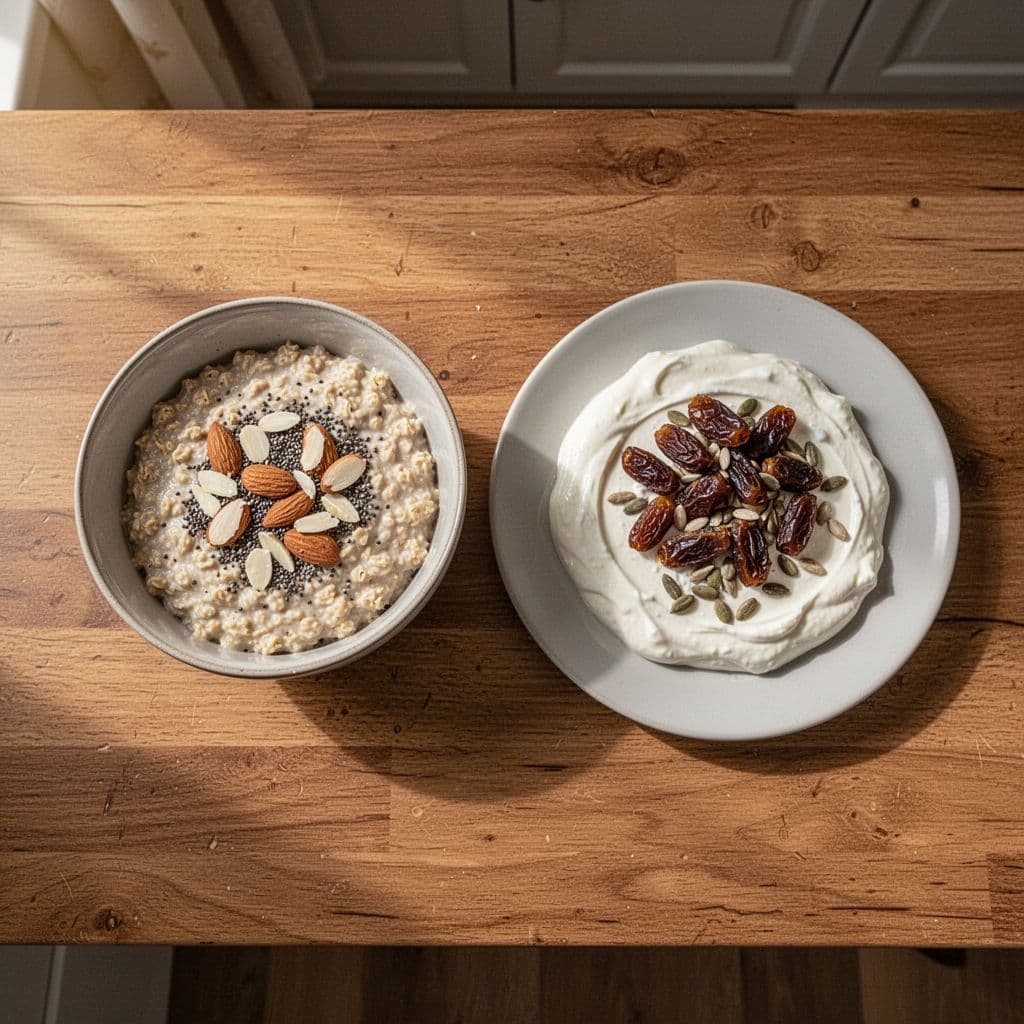
Simple food combos that fit into a busy nursing day
The easiest lactogenic meals are the ones you can assemble fast. You do not need a full menu plan when a few smart pairings already cover a lot of ground.
Try meals like these when time is tight:
- Oatmeal with chia and almonds gives you fiber, healthy fats, and staying power.
- Lentil soup with leafy greens adds protein, iron, and a warm, filling base.
- Yogurt with dates and seeds works well for breakfast or a quick snack.
- Toast with tahini and banana is easy to eat with one hand.
- Eggs with spinach and whole-grain bread make a simple postpartum meal.
These combos work because they are practical, not fancy. They use ingredients you can keep on hand and repeat often without getting bored.
The best meal plan is the one you can keep using on tired days.
If you want a simple structure, build each plate around one grain, one protein, and one add-on like seeds or greens. That gives you balance without making lunch feel like a project.
How to choose foods that work with your body and your budget
You do not need to try every lactogenic food at once. Start with a few foods you already know, already like, and already buy.
That approach saves money and makes the habit easier to stick with. For example, if oats, lentils, yogurt, and eggs are already part of your routine, begin there before adding brewer’s yeast or more niche items. Consistency matters more than variety when you are trying to support breastfeeding day after day.
It also helps to pick foods you will actually eat often. A budget-friendly plan only works if the food gets used, so choose simple staples with a few easy uses. A bag of oats can become breakfast, snack bites, or muffins. A container of yogurt can turn into a bowl, a dip, or a quick snack.
The American Academy of Pediatrics guidance on low breast milk supply also emphasizes healthy foods and hydration as part of supply support. That lines up with a simple plan, eat enough, drink enough, and keep the meals easy enough to repeat.
When to ask for help if milk supply still feels low
Food can help, but it can’t solve every breastfeeding problem. If supply still feels low after you have eaten well and nursed or pumped regularly, it may be time to get support.
A lactation consultant or healthcare provider can check for latch issues, milk transfer problems, dehydration, anemia, or other health concerns. Those issues are common enough that they deserve a closer look, especially if your baby seems hungry often or weight gain is not where it should be.
Keep this part calm, not scary. Reaching out early can save time and stress, and it can help you stop guessing. If something feels off, trust that feeling and ask for help.
Conclusion
Lactogenic foods can be a helpful part of breastfeeding support, especially when they fit into meals you can repeat without stress. The strongest result usually comes from the basics, frequent milk removal, good hydration, enough rest, and steady nutrition.
You do not need a perfect diet to make progress. Start with a few easy foods from this list, like oats, seeds, eggs, yogurt, or lentils, then build from there as your routine settles.
Small, simple choices add up over time, and that consistency is what matters most.
Save pin for later

- 12 Things Pregnant Women Do When They’re Alone - June 7, 2026
- 25 Healthy Pregnancy Snacks You Should Try - June 7, 2026
- 100 Funny Baby Jokes That Will Make You Laugh - May 15, 2026