Outdoor learning gives children a chance to move, notice, and make sense of the world around them. It supports focus, physical health, confidence, and curiosity, which makes it useful at home, in school, and during everyday play.
If you want simple ways to make outdoor time count, this guide is for you. You’ll find easy ideas that fit different ages and busy routines, along with practical activities that work for parents, teachers, and caregivers. For more ideas that match your child’s stage, see these age-appropriate outdoor play ideas.
What children gain from learning outside
Outdoor learning gives children more than fresh air. It helps them settle their minds, move their bodies, and connect ideas with real life. That mix can make lessons stick better and feel less stressful.
Better focus, memory, and classroom readiness
Time outside gives children a reset. A walk, a few minutes of free play, or a hands-on task can clear mental clutter and help them come back more alert. Nature also gives the brain a softer kind of attention, which can be easier to handle than long periods of sitting still.
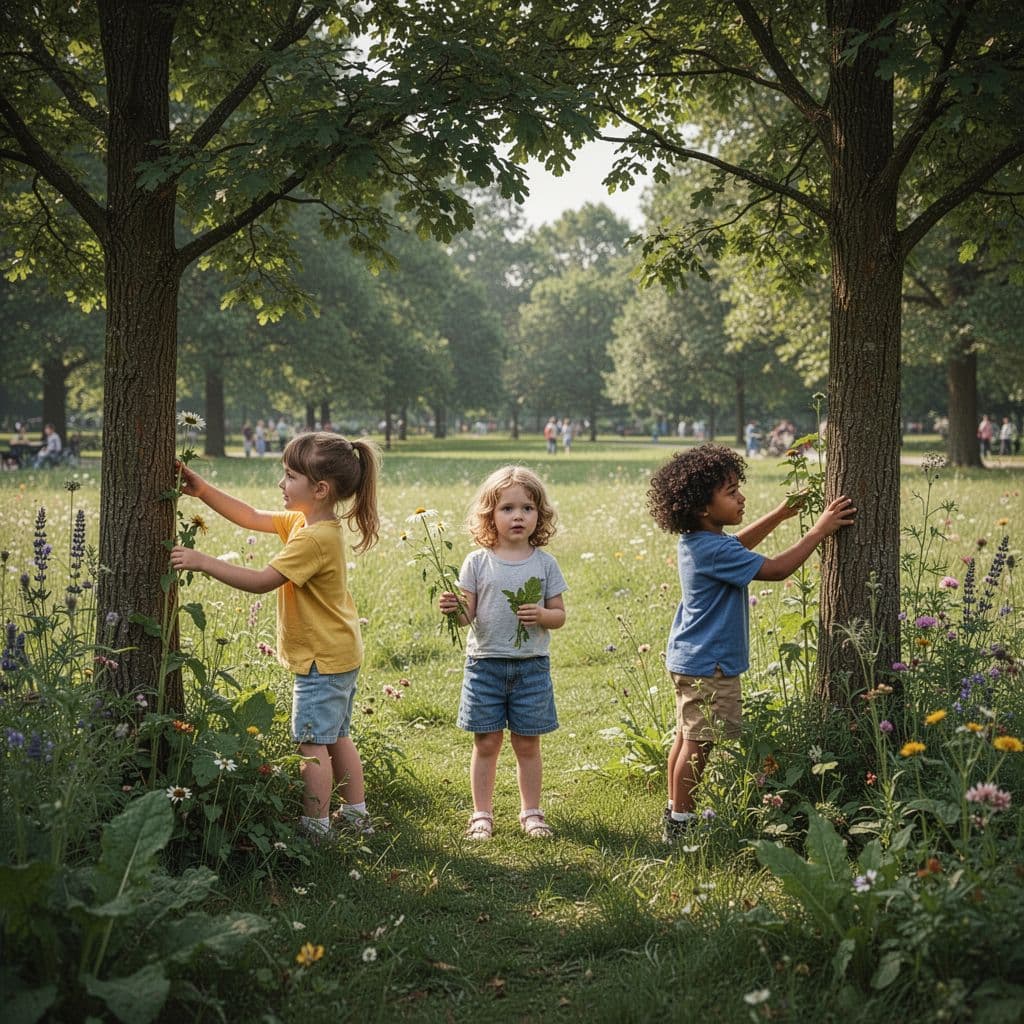
That matters for learning across the board. Outdoor lessons can support reading, math, science, and language because they feel active and concrete. Counting leaves, naming birds, measuring shadows, or talking about weather turns abstract ideas into something children can see and touch.
Research on nature-based learning points in the same direction, with stronger engagement, better self-concept, and some academic gains in outdoor settings. A review in PubMed found benefits tied to school gardens, field trips, and other outdoor learning formats. For more ideas that fit young learners, see simple outdoor learning activities.
Stronger bodies and healthier movement habits
Outside, children run, climb, balance, dig, jump, and carry. Those movements build strength, coordination, and body control in a way that feels natural, not forced. Regular active play also helps children build habits that support long-term fitness.
This kind of learning works well because movement is part of the lesson. A child tracing a path with chalk, jumping between stepping stones, or collecting sticks for a counting game is moving with purpose. That can build confidence fast, especially for children who need more physical outlets during the day.
Outdoor play also supports brain growth. If you want a broader look at that connection, how outdoor exercise boosts brain development explains it well.
Calmer feelings and better social skills
Nature helps many children feel less tense. Open space, changing sights, and slower-paced activities can lower stress and make big feelings easier to manage. That calmer state makes it easier to listen, share, and solve problems.
Outdoor learning also gives children lots of chances to practice social skills. They take turns with tools, share materials, work out plans as a group, and handle small problems together. Those small wins build confidence and make teamwork feel normal.
Children often communicate better when the task is concrete, shared, and a little playful.
A child who helps build a stick fort or water a garden gets instant feedback. That simple success can make the next group task feel easier, too.
Easy outdoor learning activities children actually enjoy
The best outdoor learning activities feel like play first. Children stay with them longer when the task is simple, open-ended, and hands-on. That is why walks, messy play, gardening, and movement games work so well.
You do not need special materials or a big plan. A few everyday items, a safe space, and a clear idea are enough to turn ordinary outdoor time into real learning. The activities below are easy to set up at home, at school, or in a park.
Nature scavenger hunts that teach observation
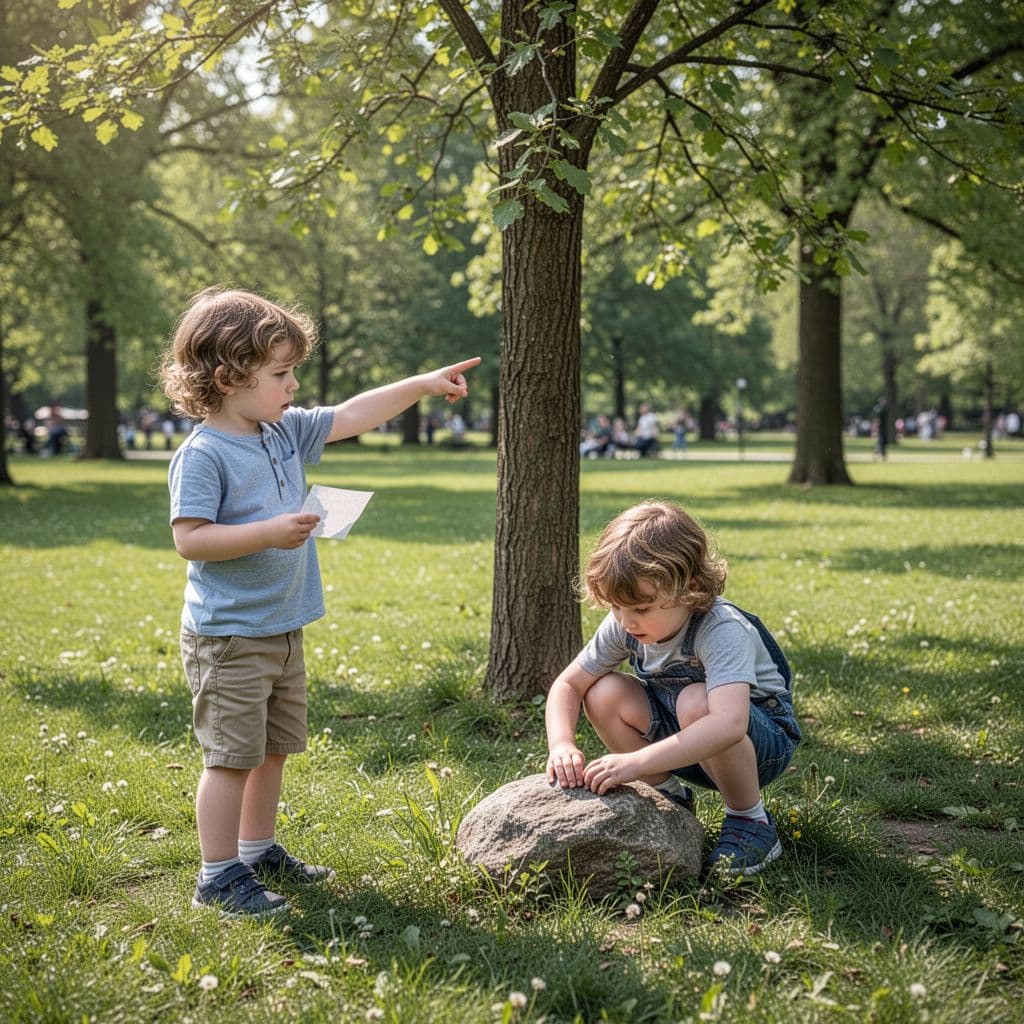
A scavenger hunt turns a walk into a game with a purpose. You can ask children to find leaves, rocks, insects, flowers, sticks, shapes, colors, or textures. A smooth stone, a jagged leaf, and a striped bug all give them something to compare and talk about.
This kind of play builds early science thinking because children slow down and notice details. It also supports counting, sorting, comparing, and classifying, which are key math skills. Younger children can find one item at a time, while older children can sort their finds by size, color, or type.
Try a simple list like this:
- Something red
- A leaf with a hole
- A round rock
- A soft texture
- A sign of an insect
If you want more quick ideas like this, fun outdoor activities for kids can help you build a fuller routine around them.
Keep the hunt flexible. The goal is not to finish fast, it’s to notice more.
Mud kitchens and messy play that build early math and science
Mud kitchens invite children to scoop, pour, stir, and mix. Add water, dirt, leaves, sticks, and small containers, then let them experiment. A cup of water in dry soil feels very different from a spoonful in wet mud, and that change leads to real learning.
Children practice measuring without even realizing it. They compare amounts, test what happens when they add more water, and notice how texture changes with each mix. That is early science in action, plus a lot of rich language.
Pretend play matters here too. A child making “soup” or “cake” is building vocabulary, storytelling skills, and imagination. They talk through their actions, assign roles, and solve tiny problems, like what to use as a spoon or how to make the mixture thicker.
Gardening activities that grow responsibility and curiosity
Gardening gives children a reason to care for something each day. They plant seeds, water them, check for new growth, and wait for harvest. That routine teaches patience, responsibility, and respect for living things.
It also helps children understand life cycles. They can see how a tiny seed becomes a sprout, then a plant, then food. That connection makes healthy eating feel more real because they helped grow the food themselves.
You do not need a full yard to start. Pots on a porch, raised beds, and window containers all work well. Beans, herbs, lettuce, and cherry tomatoes are simple choices for small spaces. For a closer look at this kind of hands-on outdoor learning, simple outdoor learning activities can give you more home-friendly options.
A small garden also gives children repeated practice with observation. They notice which plants need more sun, which leaves are drooping, and how much water the soil can hold. That steady care builds confidence because their actions have visible results.
Den building, obstacle courses, and balance challenges
Children love a challenge they can feel in their whole body. Den building, obstacle courses, and balance games give them that chance while also teaching planning and problem-solving. Sticks, tarps, logs, stepping stones, cones, and chalk paths all work well.
Start with a simple setup. A tarp can become a roof, a line of cones can become a path, and chalk can mark where to hop or tiptoe. Then let children test what works, adjust the plan, and try again.
These activities strengthen balance, coordination, and spatial awareness. They also build teamwork when children have to hold a tarp, carry branches, or agree on the next step. Best of all, they learn that a plan can change and still work.
A few easy ideas:
- Walk heel-to-toe along a chalk line.
- Step from stone to stone without touching the ground.
- Crawl under a low tarp tunnel.
- Carry a stick from one cone to the next without dropping it.
The more children help design the course, the more invested they become. That small dose of control often turns hesitation into confidence.
Outdoor learning does not have to feel like school moved outside. It works best when children can touch, move, test, and imagine. Start with one activity, keep it short, and let their interest lead the next round.
How to make outdoor learning safe, simple, and age-appropriate
Outdoor learning works best when children know the limits, the space is checked, and the activity fits their stage. A little planning keeps things calm and lets the learning stay front and center. That means you can spend less time worrying and more time watching your child explore, ask questions, and try again.
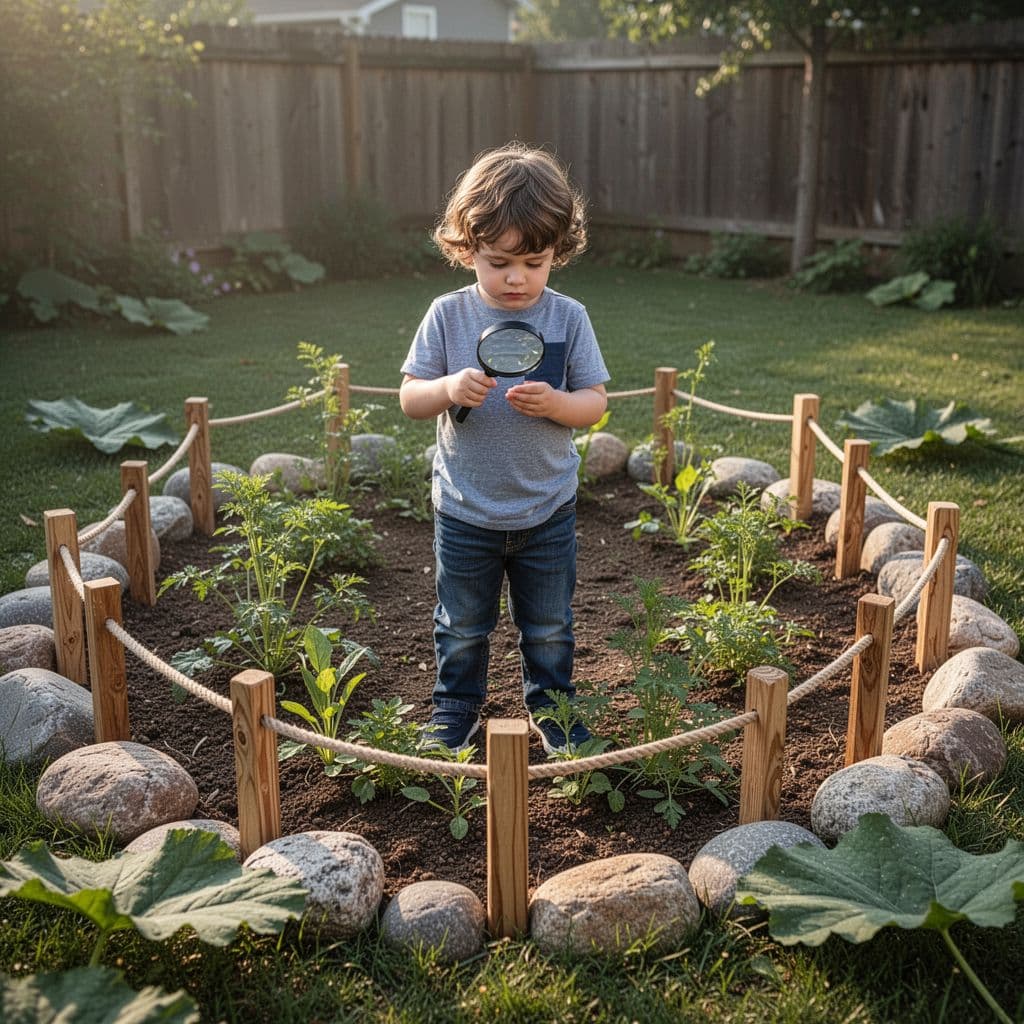
A good outdoor setup does not need to be fancy. It just needs clear edges, simple rules, and activities that match what children can handle right now.
Set clear boundaries and basic safety rules
Simple rules work best because children can remember them. Start with a few clear ones, such as staying inside the play zone, asking before picking plants, and keeping materials out of mouths. When the rules are short, you can repeat them before every activity without turning the moment into a lecture.
Adult supervision matters just as much. Stay close enough to see what children are doing, especially near water, tools, uneven ground, or busy walkways. Before play begins, scan the area for sharp sticks, trash, animal waste, slippery spots, bugs, and anything else that could cause trouble.
Choose materials with safety in mind. Smooth rocks, large leaves, sturdy containers, chalk, and plastic scoops are easier for children to use than sharp or breakable items. For outdoor play safety basics, the CDC’s guidance on outdoor play and safety is a useful reference.
Weather also shapes the plan. In hot sun, use shade, water, hats, and sunscreen. Closed-toe shoes help protect feet on rough ground, and rain or strong wind may mean moving the activity inside. If you want a simple home setup with clear edges, outdoor sensory activities for young children can be adapted to fit a small, safe space.
A safe outdoor area should feel easy for the child and easy for the adult to watch.
Match the activity to the child’s age and attention span
Younger children do best with short, active tasks that change often. A toddler may love a five-minute leaf hunt, a chalk path, or a quick water-pouring game. Keep directions simple, and use one step at a time so the activity feels clear instead of overwhelming.
Older children can handle more open-ended play. They may enjoy building a shelter, making predictions, comparing plants, or drawing what they notice outdoors. Give them a little more room to decide, test, and explain what they see.
The same activity can grow with the child. A nature walk for a three-year-old might mean finding one red object and one smooth rock. For a seven-year-old, it can become a list of objects to sort, count, sketch, and describe in a notebook.
A few easy ways to adjust the same idea:
- For younger children, shorten the task and give one clear goal.
- For older children, add choices, questions, or a small challenge.
- For mixed ages, let each child take a different role, such as finder, collector, counter, or recorder.
That kind of flexibility keeps the activity moving at a comfortable pace. It also helps children stay engaged because they can succeed without waiting too long or getting bored.
Keep materials low-cost and easy to gather
Outdoor learning gets better when the setup stays simple. You do not need special kits or expensive supplies. In fact, children often do more with sticks, stones, leaves, cups, buckets, chalk, string, and old containers than they do with polished toys.
Natural items are especially useful because they invite noticing and sorting. A handful of pinecones can become counting pieces. Leaves can be arranged by color, size, or shape. Water, dirt, and sand can turn into measuring and pouring practice.
Household items work well too. Use muffin tins for sorting, a plastic spoon for scooping, or painter’s tape to mark a path on a patio. The goal is to make the activity easy to repeat, because repeated play gives children more chances to learn and more confidence to try new things.
Keep a small outdoor bag ready if you can. A few basics, such as chalk, a notepad, a pencil, and a container, make it easy to start on short notice. That kind of flexibility is what makes outdoor learning stick in real life, not just on a perfect day.
Simple ways to fit outdoor learning into everyday routines
Outdoor learning fits best when it feels ordinary. A few minutes outside before lunch, after school, or on the way to the car can teach just as much as a planned lesson. The goal is to build small habits that repeat often, because that is what makes learning stick.
You do not need a field trip or extra prep. A sidewalk, backyard, porch, or schoolyard gives children enough space to notice, count, compare, and ask questions. Small moments add up fast when they become part of the day.
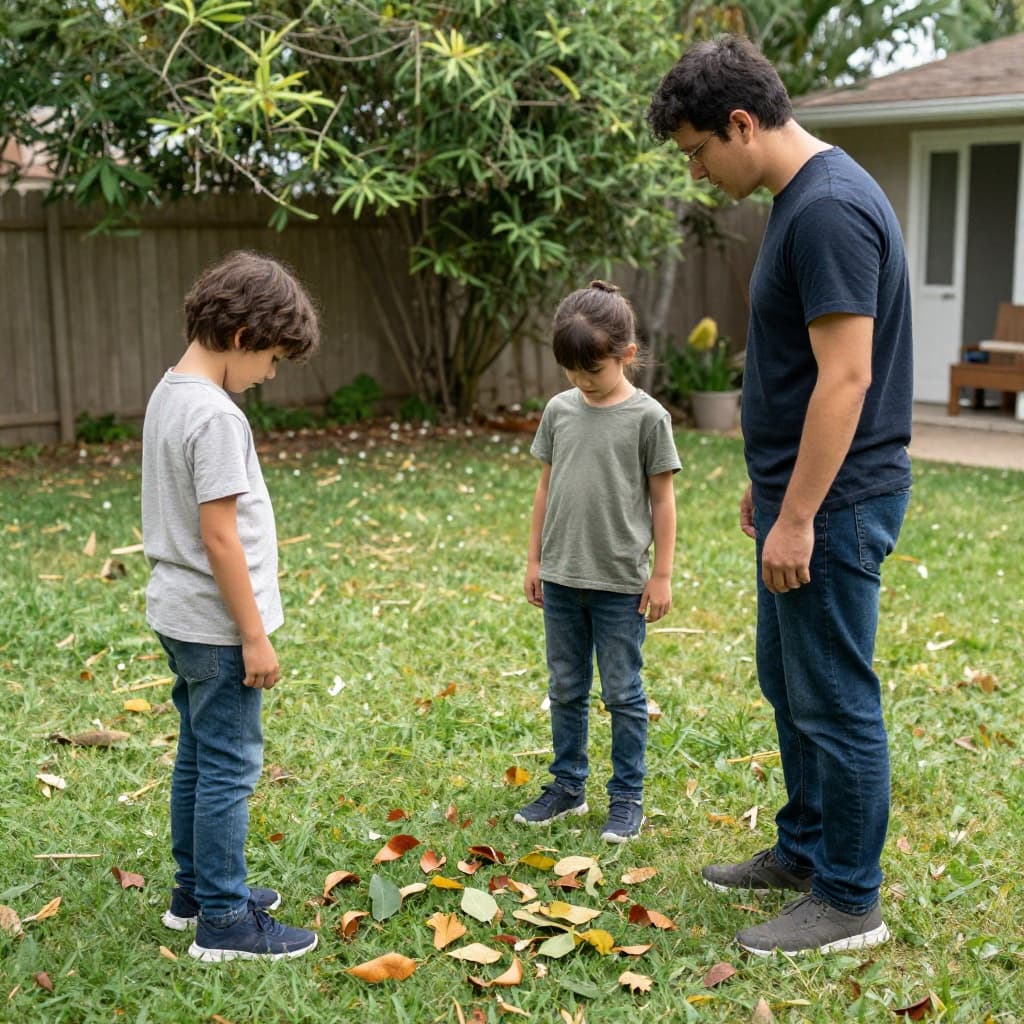
Use short time blocks that still count
Short outdoor sessions work because they are easy to repeat. Ten to 20 minutes is enough for a quick nature walk, a backyard counting game, or a weather check before lunch. Children stay more engaged when the activity feels light and manageable.
You can also match the moment to the day. A morning walk can focus on birds or colors, while an afternoon break can be used for chalk letters, leaf sorting, or cloud watching. Even a few minutes of attention outside can sharpen observation and reset the mood.
A few simple ideas fit almost anywhere:
- Count steps from the door to the tree.
- Find three different leaves.
- Check if the wind feels stronger than yesterday.
- Look for one shadow and trace it with chalk.
Short outdoor time still matters when children are paying attention and using their senses.
Connect outdoor play to school subjects
Outdoor learning becomes even more useful when it supports what children already study. Nature gives you real objects for science, reading, writing, art, and math, so the lesson feels concrete instead of abstract. For example, children can make leaf patterns, write a few lines about a walk, measure sticks, or track weather changes across the week.
Math shows up in easy ways. Children can sort rocks by size, count petals, compare stick lengths, or measure how far they can jump. Science comes in through simple observations, like which plants need shade or how puddles change after sun comes out.
Reading and writing fit in too. A child can describe a bird they saw, label a drawing, or write a short sentence about the weather. Art is easy to add with bark rubbings, leaf prints, or color sketches made from things they find outdoors. For more ways to keep learning active, natural learning ideas for kids offer a helpful starting point.
Build a repeatable outdoor routine kids can look forward to
Children relax when they know outdoor time will happen again. Predictable routines create comfort, and that comfort makes them more willing to explore. A simple rhythm can feel special without adding work for you.
Weekly themes are one easy option. Monday can be for weather, Wednesday for plants, and Friday for movement or scavenger hunts. Seasonal ideas keep the routine fresh too, like tracking spring buds, collecting summer stones, or watching fall leaves change color.
A daily outdoor challenge works well as a low-effort habit. You might ask a child to find one new thing, notice one sound, or spot one change from yesterday. The task stays simple, but the habit builds curiosity over time.
You can keep the routine flexible and still make it feel familiar. Children like knowing what comes next, especially when it involves moving, noticing, and sharing what they see. A quick outdoor habit before dinner or after snack can become the part of the day they look forward to most.
Conclusion
Outdoor learning activities for children work best when they stay simple, active, and easy to repeat. A short nature walk, a messy mud kitchen, or a quick scavenger hunt can build focus, confidence, movement, and curiosity without extra pressure.
The biggest payoff comes from consistency. When children get regular chances to notice, sort, build, and explore outside, they connect learning with real life in a way that feels natural and lasting.
Outdoor learning does not have to be fancy to matter. Start with one easy activity, use what you already have, and build from there.
Save pin for later

- 12 Things Pregnant Women Do When They’re Alone - June 7, 2026
- 25 Healthy Pregnancy Snacks You Should Try - June 7, 2026
- 100 Funny Baby Jokes That Will Make You Laugh - May 15, 2026