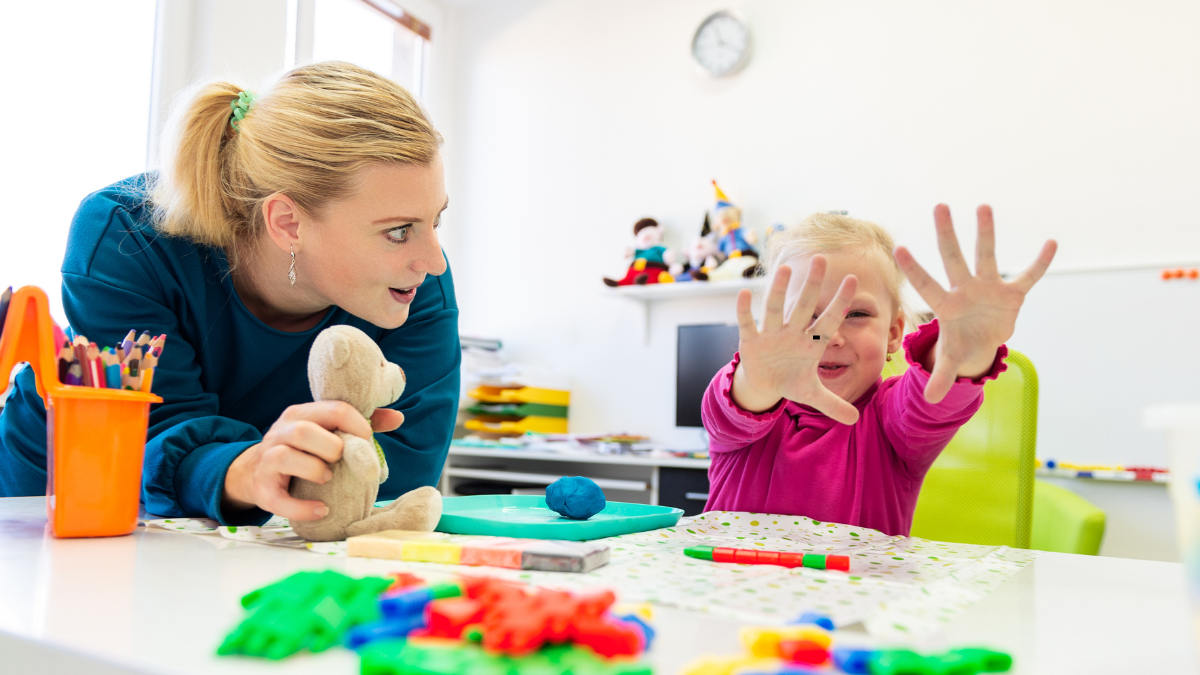
Does your toddler love to squeeze everything within reach? Do they pull things out of cupboards just to put them back again, or pour all their toys out on the floor? Toddlers learn by exploring their environment, and the best way they learn is through their senses.
Sensory play is one of the most effective ways to support this natural curiosity and promote healthy brain development during the early years.
What Is Sensory Play?
Put simply, sensory play involves any activity that engages your child’s senses—touch, smell, taste, sight, and hearing. It can also include movement and balance. Sensory play activities help children develop nerve connections in the brain, improve fine motor skills and hand-eye coordination, and strengthen problem-solving abilities.
The beauty of sensory play is that you don’t need special toys or gadgets. With just a few household items and a little imagination, you can create fun, educational, and creative experiences for your toddler.
Here are ten of our favorite DIY sensory play ideas to try at home:
1. Make Your Own Sensory Bins
Sensory bins are a classic. They’re simply boxes or containers filled with materials your toddler can scoop, pour, and explore with their hands. You can put one together in just five minutes using items you already have.
How to make it:
Find a large plastic bin or even a baking tray and fill it with a base material such as dry rice, pasta, beans, sand, oats, cornmeal, cotton balls, or wool. Then add small items for your toddler to find inside—plastic spoons, toy animals, cups, small boxes, or cookie cutters.
Tips:
-
Add scoops, funnels, and containers for pouring.
-
If your toddler still mouths objects, use edible bases like rice cereal or cooked pasta.
-
Get creative with themes: a beach bin with sand and shells, or a farm bin with toy animals and straw.
Related:20 High Calorie Food For Your Pinky Toddler
2. Try Rainbow Rice
If you want to add color to sensory play, rainbow rice is a beautiful and easy project that can last for months.
What you need:
-
White rice
-
Food coloring
-
Vinegar or rubbing alcohol
-
Ziplock bags or bowls
How to make it:
Place one cup of rice in a bag, add a few drops of food coloring and a teaspoon of vinegar or alcohol, then seal and shake until the color spreads evenly. Spread the rice on a tray to dry for about an hour. Repeat with other colors.
Once dry, let your toddler explore. They can run their fingers through it, scoop and pour it, build little castles, or sort it by color.
3. Make Edible Playdough
Playdough is a timeless sensory favorite, and making it at home is simple and safe.
What you need:
-
2 cups of flour
-
1 cup of salt
-
1 cup of warm water
-
1 tablespoon of oil
-
Food coloring (optional)
How to make it:
Combine the dry ingredients, then gradually add the oil and water, kneading until smooth. Divide into portions and knead in food coloring to create different shades. For extra fun, add scents such as vanilla or peppermint extract.
Stored in an airtight container, it will last up to a week. Toddlers can roll, press, and shape it, building fine motor strength while expressing creativity.
Related:25 food That Will Increase Your Baby’s Brain Power
4. Set Up a Water Play Station
Water is endlessly fascinating for toddlers—simple, affordable, and full of possibilities.
What you need:
-
A large tub or basin
-
Plastic cups, funnels, spoons, or jugs
-
Optional: food coloring, ice cubes, or small floating toys
How to play:
Fill a basin halfway with water, add the tools, and let your toddler scoop, pour, and experiment. They can test which objects sink or float or rescue small toys frozen in ice cubes.
Water play introduces concepts like volume, temperature, and cause and effect—all disguised as fun.
5. Sensory Bottles
Sensory bottles are excellent for both play and calm-down time.
What you need:
-
Empty plastic bottles with lids
-
Water
-
Glitter, sequins, beads, or small objects
-
Food coloring (optional)
-
Clear glue or baby oil
How to make it:
Fill each bottle halfway with water, then add your objects. Pour in glue or baby oil until nearly full, and tighten or glue the lid shut. When your toddler shakes it, the contents drift slowly through the liquid, creating a soothing effect.
You can theme your bottles—a blue ocean bottle with fish or a purple galaxy bottle with glitter and stars.
Related:20 Engaging Play Activities for Babies Aged 1-12 Months
6. Nature Sensory Walk
Take your toddler outdoors for a sensory adventure. Nature offers endless textures, scents, and sounds to explore.
How to play:
Go for a short walk in your garden or a nearby park. Let your child touch tree bark, feel grass, smell flowers, and collect leaves, rocks, or sticks. Later, use the items for a nature tray or art collage.
Encouraging curiosity in nature builds awareness, observation, and appreciation for the world around them.
7. Foam Play
Soft, colorful foam is perfect for sensory and messy play, and it’s easy to make at home.
What you need:
-
2 tablespoons of dish soap
-
¼ cup of water
-
Food coloring
-
Hand mixer or whisk
How to make it:
Whip the ingredients until thick and foamy, then pour into a tray or bin. You can create several colors and let your toddler mix them together.
Foam play stimulates creativity and sensory exploration. Cleanup is quick—just rinse everything with water.
Related:How To Prevent Excessive Aggression In Toddler
8. Sound Discovery Game
Sensory play isn’t limited to touch. Sound-based games help toddlers develop focus and listening skills.
What you need:
-
Small containers or jars with lids
-
Items that make noise: rice, beans, bells, coins, or buttons
How to play:
Fill each jar with one material and seal it. Let your toddler shake them and guess what’s inside. You can also make pairs and play a “sound match” game.
This simple activity improves concentration, auditory discrimination, and memory.
Related:10 Outdoor Storage Solution For Kids Toys
9. Cloud Dough
Cloud dough is silky, soft, and delightfully moldable—another favorite sensory material.
What you need:
-
8 cups of flour
-
1 cup of baby oil or cooking oil
How to make it:
Mix until it forms a smooth, crumbly texture. You can add color or glitter for variety. Toddlers can squeeze, shape, and cut it with cookie cutters or cups.
It’s soothing to touch and excellent for fine motor skill development.
10. Bubble Wrap Stomp
If you have leftover bubble wrap, it’s an instant sensory playground.
How to play:
Lay a large sheet of bubble wrap on the floor and let your toddler walk, crawl, or jump on it. The popping sounds and soft bounce are irresistible. For safety, tape it to the floor and turn it into a “popping path” game.
This activity builds leg strength, coordination, and balance while offering endless laughter.
Why Sensory Play Matters
Every one of these activities offers more than entertainment. They help your toddler:
-
Develop fine and gross motor skills
-
Build focus and patience
-
Improve hand-eye coordination
-
Understand cause and effect
-
Strengthen problem-solving and language development
Sensory play also encourages mindfulness, helping children slow down and fully experience their surroundings.
Final Thoughts
You don’t need expensive toys to fill your home with discovery and learning. The simplest materials often bring the most joy. With a bit of creativity, supervision, and patience for the mess, you can transform everyday items into opportunities for your toddler’s growth and imagination.
After all, sensory play is meant to be fun, hands-on, and delightfully messy. So join in—grab a towel for clean-up, and enjoy every scoop, squish, and giggle together.
Save the pin for later

- 50 January Baby Shower Ideas for a Cozy Winter Celebration - July 26, 2026
- 15 Signs You Should Stop Working During Pregnancy - July 23, 2026
- A Little Boo Is Due Baby Shower Ideas - July 17, 2026