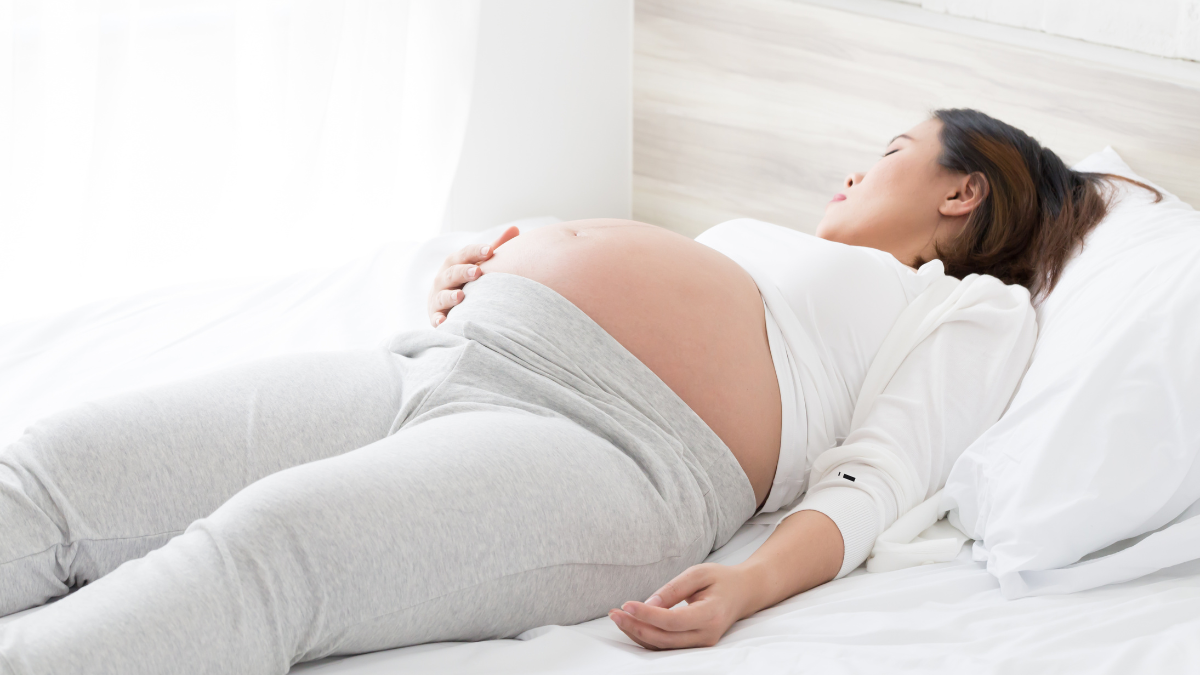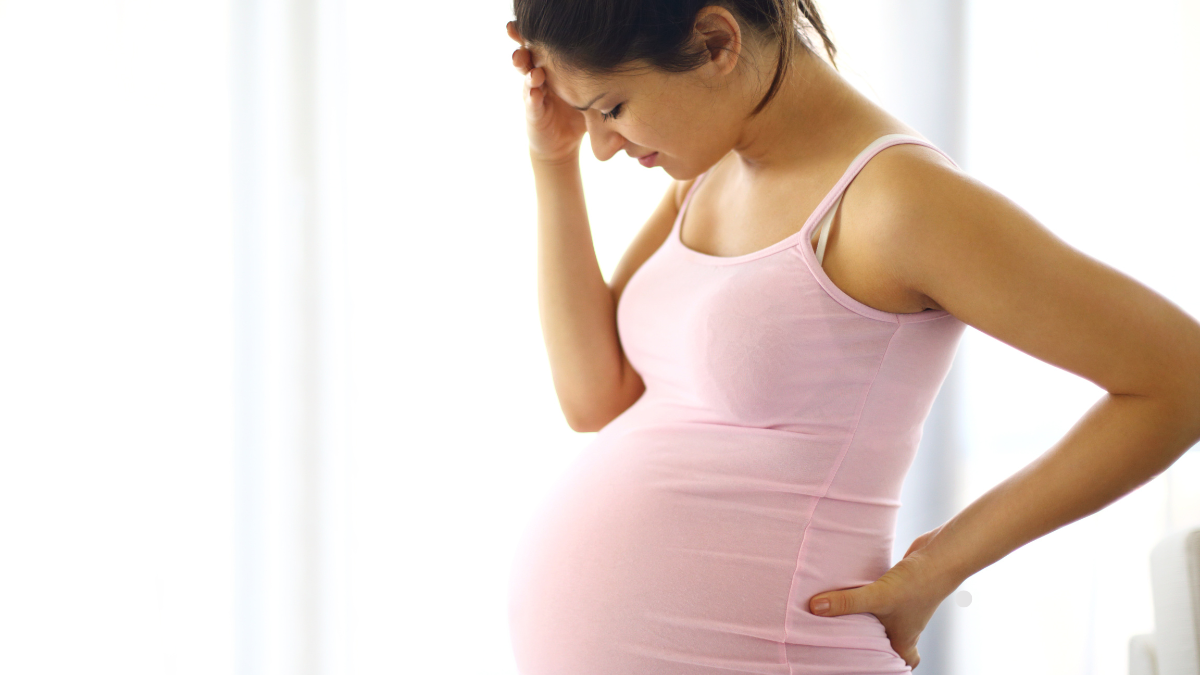
Pregnancy can be a beautiful experience full of expectant joy and anxiety. It is important to remember that you and your baby will continue to change as you near the final month of pregnancy. You must pay extra attention to your body and your baby to make the best of these last few weeks.
According to Healthline, “The eighth month of pregnancy (weeks 32–36) is marked by rapid growth for your baby and significant physical changes for you. Your uterus will continue to grow during the eighth month, causing most moms-to-be to gain more weight and experience shortness of breath, backaches, frequent urination, and fatigue. Babies grow brain and lung capacity and continue to put on fat during the eighth month.”
Essentially, your baby is growing faster than ever before. Your little one is building brain connections, learning how to breathe outside the womb, and storing fat that will help regulate body temperature after birth.
In your body, changes are happening as well to accommodate your growing baby. You may feel slower during daily tasks. Walking can become more difficult. Rolling over in bed may require a pause to catch your breath. This is not weakness—it is your body doing something miraculous.
This is an exciting time for you and your baby. You’re almost there. Your little one is getting ready to thrive in the world, and you are getting ready to become a parent. Understanding what happens during the eighth month of pregnancy can help keep this time calm, safe, and even empowering.

What Happens During the 8th Month of Pregnancy?
1. Changes in Your Body
By now, your belly is likely quite large, and movements may feel slower. During months seven and eight, you may experience:
-
Shortness of breath as your uterus pushes upward
-
Backaches and pelvic pain from extra weight and posture changes
-
Swollen feet and ankles
-
Difficulty sleeping
-
Braxton Hicks contractions
-
Frequent urination
-
Increased fatigue
While these symptoms are completely normal, they can be uncomfortable. Gentle movement, good posture, and listening to your body are extremely important.
According to the American Pregnancy Association, “In addition to growing a few more inches each week, your organs will face increased pressure from your baby throughout the third trimester. Maintaining good posture and rest is extremely important at this stage in your pregnancy. Your lungs and bladder will feel the squeeze as your baby presses against them, causing some of the shortness of breath and trips to the bathroom. Your hips and spine will feel the pressure too, which can lead to aches and pains. Help alleviate some of that discomfort by using pillows for support, wearing comfy shoes, and taking breaks when you can.”
Related: 8 Noticeable Symptoms of a Baby Boy During Pregnancy
2. Your Baby’s Development
Your baby is growing stronger every day. In the eighth month, your baby:
-
Continues developing the brain
-
Builds lung capacity in preparation for breathing
-
Gains a layer of fat beneath the skin
-
Kicks more forcefully, making movements easier to notice
-
Often turns into a head-down position
As noted by Healthline, your baby is developing crucial functions in preparation for birth. While babies continue to grow after birth, brain and lung development are two of the most important processes during the final months of pregnancy.
How your baby learns to breathe, eat, and regulate body temperature depends on these last weeks in the womb. Prenatal appointments allow your provider to listen to your baby’s heart rate, check positioning, and monitor growth.
Related: 12 Things To Do With Your Husband In The Last Month Of Pregnancy
Things to Do During the 8th Month of Pregnancy
1. Eat Nutrient-Rich Foods
Eat balanced meals that include protein, iron, calcium, and healthy fats. Your baby needs these nutrients to grow strong, and you need them to stay energized and healthy.
Try to include:
-
Protein (lean meats, beans, eggs)
-
Whole grains
-
Fresh fruits and vegetables
-
Dairy or fortified dairy alternatives
-
Healthy fats (avocado, olive oil, nuts)
According to the CDC, “Eating a balanced diet during late pregnancy can support fetal development and help prevent pregnancy complications.”
Related: 10 Nutrient Rich Foods That Support Healthy Aging

Related: 10 Types of Housework Pregnant Women Should Avoid
Things to Avoid During the 8th Month of Pregnancy
1. Don’t Ignore Concerning Symptoms
Our bodies tell us when something’s wrong. Don’t dismiss severe or abnormal symptoms. Call your doctor if you experience:
- Severe or ongoing headaches
- Blurry vision or flashing lights
- Swelling in your hands, face, or eyes
- Vaginal bleeding or discharge
- Decreased fetal movement
- Regular, strong contractions before your due date
All of these may be signs of issues like preeclampsia and preterm labor. By seeking help quickly, you can ensure the safety of both yourself and your baby.
Related: 10 Little Things You Should Not Do To Your Breasts
2. Don’t Overdo It
Remember that your body is already working hard. Taking on too much physical activity will only make you more tired and sore. Avoid heavy lifting and standing for long periods of time. Give yourself grace to slow down and take a break when you need to.
3. Don’t Skip Meals
Heartburn, nausea, and feeling too full are common in pregnancy, but your body still needs fuel to nourish you and your baby. Instead of skipping meals, try eating smaller meals more frequently throughout the day.
4. Don’t Sleep Flat on Your Back
Resting flat on your back decreases blood flow to your baby and may cause you to feel dizzy. Try to sleep on your side, particularly your left side. Side sleeping increases circulation, allows more oxygen to get to your baby, and can help with swelling.
Related: 20 Things A C-Section Mom Should Avoid
5. Don’t Take Medication Without Direction
Not all medicines (including herbal remedies) are safe to take during pregnancy. Consult your doctor before taking any new medications, even if they are over-the-counter or all natural. Some medicines can harm your baby’s development.
Emotional Care During the 8th Month of Pregnancy
Hormonal changes can influence your emotions. You may feel joyful one moment and anxious the next. This is completely normal.
According to March of Dimes, “As with most aspects of pregnancy, taking care of your emotional health is important for your baby’s development. High levels of stress can lead to insomnia or loss of appetite and can even cause you to develop high blood pressure.”
Support your emotional well-being by:
-
Taking deep breaths
-
Journaling
-
Listening to calming music
-
Gentle stretching
If anxiety feels overwhelming, speak with your partner, a trusted friend, or your healthcare provider.
Conclusion
Every day in the eighth month of pregnancy can feel different. Some days you may feel energized; other days you may want to rest all day. Remember that your baby is growing every single day. The food you eat, the movement you allow, and the care you give yourself all affect your little one.
By eating nourishing foods, resting when needed, attending prenatal appointments, and reducing unnecessary stress, you are giving your baby the best possible start.
Listen to your body. Slow down when you need to. Ask for help without guilt. This final stretch is not about perfection—it is about care, awareness, and love for the new life that depends on you.
Need more pregnancy tips? Visit our Pregnancy Tips category for helpful articles covering every stage of pregnancy—from your first symptoms to life after your baby arrives. You are not alone on this journey.
Save the pin for later


- How to Help a Child Deal With Anxiety at Home - September 12, 2026
- How to Prepare Your Child for the First Day of School - September 12, 2026
- Age-Appropriate Chores for Kids by Age Group - September 12, 2026