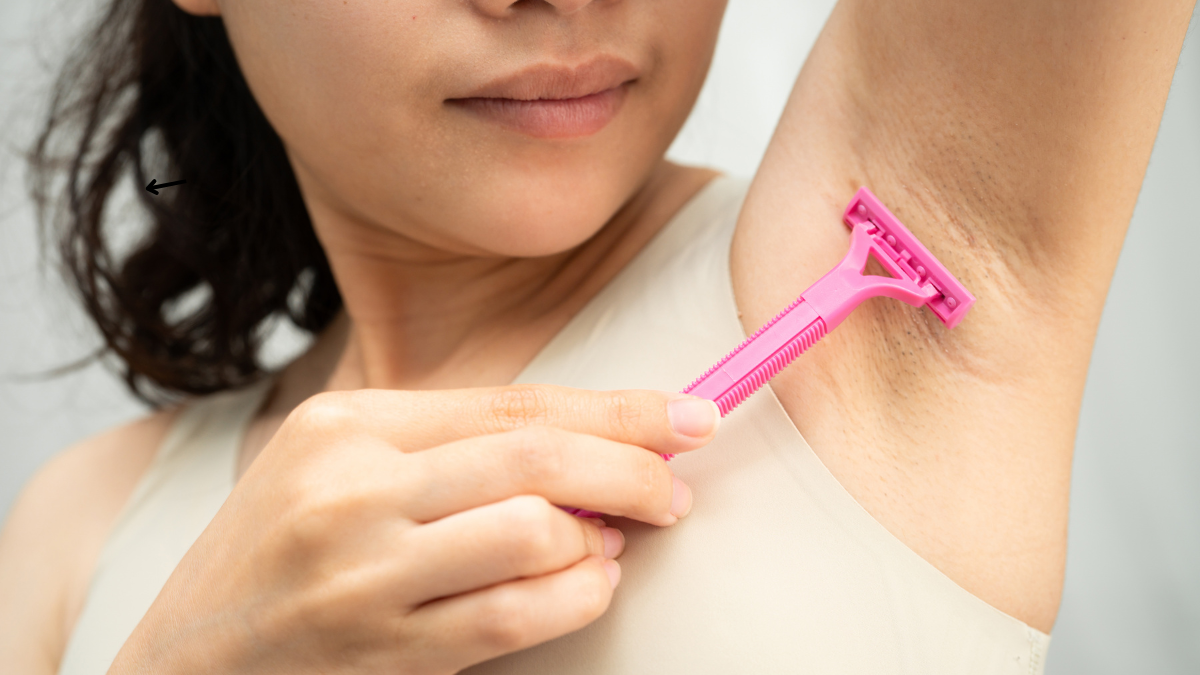
Shaving when you’re pregnant can be a challenge. Pregnancy is a unique time of anticipation, joy, and the unknown. Changes to your body come at every turn, and shaving is no exception.
Multiple factors can affect the way you shave when you’re pregnant, from shifts in weight and hormone levels to increased sensitivity, aches, and pains. Whether you’re in the early stages of pregnancy or already at the end of your second trimester, shaving during pregnancy requires a little extra care.
If you are pregnant and wondering how to shave effectively and safely, you’re in the right place. Read on for our 10 essential tips to help you safely and comfortably shave during pregnancy.
10 Tips for Shaving When Pregnant
1. Start with the Right Razor
Starting your shave with the right razor is one of the best ways to keep your shave smooth and irritation-free. Pregnancy can make your skin more sensitive and vulnerable to cuts and nicks. Before you shave, it’s a good idea to invest in a razor that’s as sharp as possible.
Make sure your razor is clean, and if you don’t already, consider using a razor with multiple blades. Electric razors are also a great option to reduce razor burns, as pregnancy might make it harder to see spots and avoid cuts.
Related: 7 Tips to Lose Weight During Pregnancy
2. Hydrate Skin Before Shaving
It may seem like common sense, but one of the most crucial things to do before shaving is hydrate your skin. Dry shaving, or shaving without having showered or otherwise moisturized your skin, can lead to a higher chance of cuts and irritation.
Start by showering or bathing with warm water to hydrate your skin. Use a mild body wash or a gentle exfoliating scrub before applying shaving cream to help smooth the way for the razor to glide.
3. Apply Shaving Cream or Gel
When pregnant, it’s not a good idea to shave your legs or any other area of your body without applying shaving cream or gel first. Shaving creams and gels are designed to make razor movement over the skin easier and less irritating.
During pregnancy, it’s a great idea to opt for a moisturizing shaving cream that can keep your skin protected and hydrated at the same time. If you want to avoid chemically enhanced products, many natural aloe vera or coconut oil-based shaving creams can soothe and moisturize.
Related: Safe Sleeping Positions During the Second Trimester of Pregnancy
4. Shave Post-Shower
Ideally, you want to shave right after a shower, as your skin will be the most hydrated and soft, and your pores more open. Showers will also be more relaxing due to the hot water and can help ease any pressure on your lower back that might come with pregnancy. Your razor will also be less likely to clog with shaving cream or hair if you shave post-shower.
5. Take Your Time
Shaving while pregnant is not the same as pre-pregnancy or post-pregnancy. Your belly will be larger, your legs could be swollen, and your balance may be affected. Shaving will take more time and planning, so it’s important to take it slow and steady. You might accidentally cut yourself without realizing it or skip over important spots if you try to rush. If necessary, sit down on a chair or countertop, hold a mirror, and shave slowly and carefully.
6. Exfoliate First
Exfoliation is a great way to achieve a smooth, clean shave. Pregnancy can sometimes dry out skin and create more ingrown hairs and bumps. Use a natural exfoliant to prep your skin for shaving. Gently scrub your skin with sugar or salt before shaving, as it can loosen dead skin cells and allow razor blades to glide more smoothly over your skin. It is essential to exfoliate gently if you are pregnant, as some chemical or abrasive exfoliants might be too harsh. The best way to exfoliate is with a soft, circular motion.
Related: How To Take Care Of Yourself As A Mom
7. Don’t Shave Too Frequently
One of the worst things you can do when shaving while pregnant is to do it too often. Shaving frequently can dry out the skin and cause razor burns and ingrown hairs. Try to avoid shaving too frequently during pregnancy to help keep your skin free from irritation. If your legs feel itchy and you need to shave, use a natural exfoliating scrub to remove dead skin and prep the skin for shaving without shaving as frequently.
8. Shave With the Grain
If you are struggling with irritation or razor burn while pregnant, you can reduce or eliminate it by shaving with the grain. This method might not provide you with the closest shave, but it will help reduce skin irritation. Shaving with the grain is the best method for the most gentle experience. Don’t be tempted to shave with extra pressure to get a closer shave. Gentle, slow strokes are far better than forceful ones.
9. Treat Sensitive Areas Gently
The two main sensitive areas when shaving while pregnant are the underarms and the bikini line. Pregnancy can cause irritation, rashes, and ingrown hairs to form more easily in these areas.
If you shave your bikini area, make sure to use a razor made for sensitive skin or an electric razor. You should also be careful with the amount of pressure you use when shaving these areas. If you experience discomfort while shaving, stop immediately and rinse with cold water.
Related: How Much Water Should A Pregnant Woman Drink?
10. Take Care of Skin Post-Shave
After you shave, it’s a good idea to take extra care of your skin. As soon as you rinse off the shaving cream, gently pat dry your skin with a towel instead of rubbing it. This will help lock in moisture, which can be a concern during pregnancy. After drying off, apply a soothing lotion or body oil. Lotions with natural ingredients like shea butter, coconut oil, or aloe vera can help calm and hydrate your skin.
Final Thoughts
Shaving while pregnant isn’t as difficult as you might think. By taking the time to properly prep, investing in the right razor, and adding extra care before and after, you can make shaving during pregnancy as smooth as you want it to be.
Pregnancy brings many changes to your skin and body. The most important part of shaving during pregnancy is adjusting your pre-shave, shaving, and post-shave regimen to accommodate your changing needs.
Listen to your body, and if shaving becomes too uncomfortable or you find yourself dealing with excessive irritation or cuts, contact your medical professional. They can help assess your situation and make sure you’re grooming yourself safely and effectively. Pregnancy is a great time to practice self-care, and shaving can be one part of that practice.
Save the pin for later


- How to Help a Child Deal With Anxiety at Home - September 12, 2026
- How to Prepare Your Child for the First Day of School - September 12, 2026
- Age-Appropriate Chores for Kids by Age Group - September 12, 2026