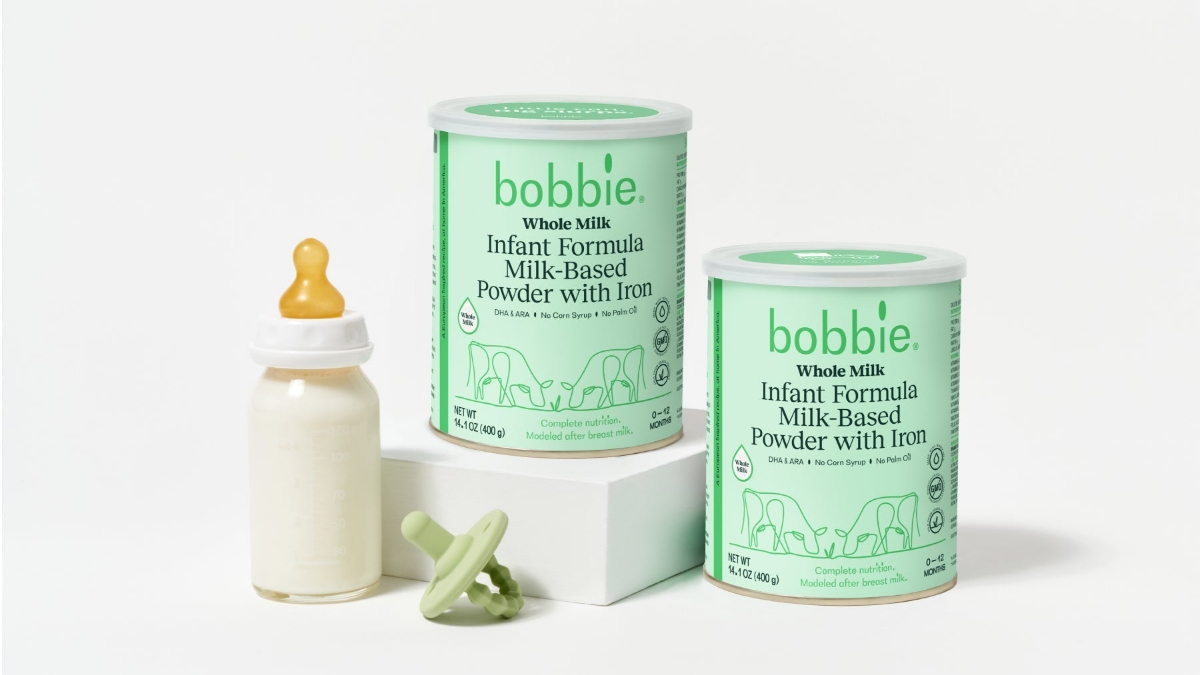
There are many factors that must be considered when it comes to feeding a baby. One of the key decisions is choosing between whole milk or skim milk in baby formula.
As with many such concerns, this can feel overwhelming for new parents who are unsure of what is best for their child and whether it will provide all the necessary nutrients for healthy development. However, it is also important to understand the differences and similarities between these two options.
Although both whole milk and skim milk are beneficial to a child’s health and contain essential nutrients, vitamins, and minerals for normal development, there are several important factors that parents should consider to make the right choice.

What is Whole Milk?
Whole milk, also known as “full-fat” milk, contains 3.25% fat. While this may not seem like a significant amount, this fat is crucial for the development of a baby, particularly in the early months after birth.
During this period, the baby’s brain is rapidly growing and developing, and fat intake plays a key role in this process. This makes the fat content in whole milk essential. Parents often choose whole milk for their young child as it is a rich source of calories, which are necessary for a developing body.
Whole milk also contains vital nutrients such as calcium, vitamin D, and riboflavin. It is also a source of protein and carbohydrates, which are important for the child’s growth and development.
Baby formula made with whole milk is typically not much different from breast milk in terms of nutrient composition. For many babies, whole milk is the optimal choice as it supports brain development and overall growth.
What is Skim Milk?
Skim milk is whole milk with most of its fat removed. This process leaves the fat content of skim milk at less than 0.5%. Although some nutrients remain in skim milk, such as calcium, vitamin D, and protein, there are key differences that may prevent parents from choosing skim milk for their babies in every case.
The main difference between whole milk and skim milk is the fat content. Skim milk contains fewer calories and is a much leaner option compared to whole milk. However, this reduction in fat makes it less suitable for infants who require higher fat intake for optimal brain development.
In baby formula, skim milk is used in specific situations where a child is getting enough fat from other sources, such as breast milk or formulas with added fats.
Key Nutritional Differences
To better understand the key nutritional differences between whole milk and skim milk, we’ve highlighted the essential factors and how they may impact your baby’s formula choice.
1. Fat Content
As noted earlier, fat is a critical component of a baby’s diet, especially during the early months when brain development is most intense. Omega-3 fatty acids, which are vital for brain development and overall growth, are present in milk fat.
Whole milk contains 3.25% fat, which provides a rich, calorie-dense taste and ensures that babies receive enough fat for healthy development.
In contrast, skim milk has little to no fat. Due to its low fat and calorie content, it is not an ideal choice for babies in the first few months of life. As previously mentioned, fat is essential for the normal development of a child’s brain and other vital organs.
Related: 10 Foods To Eat When Milk Supply Is Low
2. Calories
Calories are another important factor in a baby’s diet as they provide the energy needed for growth and development. The calorie content of milk is directly related to its fat content, making whole milk a richer source of calories.
This is particularly important for babies who have slower growth or were born prematurely. For these babies, additional calories help accelerate growth and bring them up to a healthy weight.
Skim milk, although still containing protein and carbohydrates, provides fewer calories due to the absence of fat. As a result, skim milk may not be as suitable for babies who need to gain weight or have higher caloric needs.
3. Vitamins and Minerals
Whole milk contains essential vitamins and minerals such as calcium, vitamin D, riboflavin, and more. The amounts of these substances are similar in both whole milk and skim milk. However, fat is necessary for the absorption of fat-soluble vitamins A and D. In whole milk, these vitamins are absorbed with the fat, providing the baby with the necessary nutrients for growth.
While skim milk also contains these vitamins and minerals, it lacks the fat that aids in their absorption. As a result, skim milk formulas are often enriched with additional vitamins and minerals to compensate for the absence of fat.
Related: How to Get Your Baby to Accept a Bottle
4. Protein
Both whole milk and skim milk contain similar amounts of protein, which is vital for muscle growth, tissue building, and cell formation. However, because of the fat content in whole milk, it tends to be a more calorie-dense product.
Protein content in both types of milk is sufficient for a baby’s needs, but whole milk offers more overall calories and fat, making it a richer option for early development.
Related: 10 Healthy Meal Ideas for 9-Month-Old Babies
Advantages of Whole Milk in Baby Formula
Whole milk-based baby formulas are often recommended by pediatricians because they closely resemble breast milk. The fat content in whole milk supports brain development and normal growth in the first months of life. Whole milk formula offers several advantages for babies, including:
-
Brain Development: The higher fat content in whole milk is essential for brain and nervous system development.
-
Healthy Weight Gain: Whole milk helps babies gain weight, which is especially beneficial for babies born prematurely or those with medical conditions that slow growth.
-
Fat-Soluble Vitamin Absorption: Whole milk contains fat, which aids in the absorption of essential fat-soluble vitamins such as A, D, E, and K, which are crucial for immune function, bone development, and skin health.
Related: VitCom Nutrition Fruits Flavor
Advantages of Skim Milk in Baby Formula
Although skim milk is not as optimal as whole milk for babies, it does have some advantages:
-
Fewer Calories: Skim milk contains fewer calories, which makes it a suitable option for babies who are at risk of becoming overweight or who have conditions that hinder weight gain.
-
Leaner Option for Older Babies: As babies grow and begin eating solid foods, their dietary needs change. Some parents may choose skim milk for older babies who are already getting adequate fats from other sources, such as avocado, fish, or oils.
-
Ideal for Parents Concerned About Fat Intake: Some parents prefer skim milk because it reduces the amount of fat their child consumes, which may help them feel more comfortable about their child’s long-term health.
When to Use Whole Milk vs. Skim Milk
As a general rule, cow’s milk is not recommended for babies until they are one year old. After this point, parents may begin transitioning their child to a different type of milk. Skim milk is often considered after a child turns one, as their body has developed enough to handle lower fat intake.
However, before making any decision regarding skim milk, it’s essential to consult with your pediatrician to understand your baby’s specific nutritional needs. Each child’s growth and health requirements are unique, so personalized guidance is necessary.
Conclusion
The choice between whole milk and skim milk in baby formula depends largely on the baby’s age, growth, and individual needs. Whole milk is typically the best option for younger babies because of its higher fat and calorie content, both of which are critical for brain development and overall growth.
Skim milk, on the other hand, is more appropriate for older children who are consuming a balanced diet and no longer need as much fat and calories.
Ultimately, parents should work closely with their pediatrician to make an informed decision that best supports their child’s health and development. The well-being of the child is the top priority, and choosing the right milk for baby formula plays an important role in their nutritional journey.
Save the pin for later


- How to Help a Child Deal With Anxiety at Home - September 12, 2026
- How to Prepare Your Child for the First Day of School - September 12, 2026
- Age-Appropriate Chores for Kids by Age Group - September 12, 2026