As a parent, it is nerve-wracking when your baby is not feeling well, and you are clueless about the underlying condition.
A sinus infection, medically known as sinusitis, is one of the infections that can affect your baby. In older children and adults, sinusitis is common, but it can also affect babies, though the symptoms are not as easy to spot.
As a parent, it is key to understand what a sinus infection is, how to tell if your baby is experiencing it, what could have caused it, and how to treat the infection. In this blog post, we will provide you with a detailed overview of sinus infections in babies, the common symptoms to watch out for, and how to treat them.
We will also give a thorough analysis of the common causes of a sinus infection in babies and other conditions that mimic a sinus infection in babies.
What is a Sinus Infection in Babies?
A sinus infection occurs when the sinuses become inflamed or infected. The sinuses are hollow cavities located inside the skull, around the nose and eyes. They are responsible for helping with breathing and clearing out mucus from the nose.
When a baby experiences a viral or bacterial infection, the sinuses become inflamed due to irritation. The sinuses can also become inflamed when a baby experiences allergies or comes into contact with environmental irritants. The sinuses become blocked and filled with mucus when they are infected, making it difficult for your baby to breathe.
9 Symptoms of Sinus Infection in Babies
Since babies cannot communicate the cause of their discomfort or pain, it is important for you to understand the symptoms of a sinus infection early on. Here are nine common symptoms of sinus infection in babies:
1. Nasal Congestion
One of the most common symptoms of a sinus infection in babies is nasal congestion. A stuffy nose, accompanied by difficulty breathing—especially during breastfeeding or sleeping—is an indication that the sinuses are blocked. In some cases, thick yellow or green mucus may also be seen oozing from their nose.
Related: Are Saline Nasal Drops for Babies Good? Risks and Precautions
2. Persistent Cough
A persistent cough is another common sign that your baby has a sinus infection. This occurs because the mucus in the sinuses irritates the throat and airways, causing post-nasal drip, which leads to coughing—particularly when the baby lies down. The cough may worsen at night and disrupt your baby’s sleep.
3. Fever
A fever is another common symptom of a sinus infection in babies. If your baby develops a high fever above 100.4°F (38°C) that lasts for a few days, this could indicate a sinus infection. The body usually produces a fever as a way of fighting an infection. However, it is natural for your baby to experience discomfort when they develop a fever. This requires you to consult a pediatrician.
Related: 10 Healthy Meal Ideas for 9-Month-Old Babies
4. Facial Pain or Tenderness
In older children and adults, one of the most common symptoms of a sinus infection is facial pain or tenderness. The pain or tenderness is felt on the cheeks, eyes, and forehead. This may be trickier for babies, as they cannot communicate their pain. However, if you notice your baby rubbing their face, pressing it against your chest, or experiencing discomfort when you gently touch their face, it may indicate that the sinuses are in pain.
5. Poor Feeding or Appetite Loss
Feeding a baby with a sinus infection is usually a challenge for most parents. The mucus and pressure in the nasal passages may cause your baby to become fussy and turn down feedings. This is also due to the fact that a sinus infection can cause a temporary loss of the sense of smell in babies, making it difficult for them to feed, especially when breastfeeding or bottle-feeding.
Related: 12 Amazing Baby Shower Brunch Food Ideas
6. Irritability and Crying
Another common symptom of a sinus infection in babies is irritability and fussiness. A baby with a sinus infection may be in more pain and discomfort than they can handle, so they may cry excessively. If you notice that your baby is crying excessively and appears to be in pain, it is natural to assume they are experiencing a sinus infection.
Related: Crying During Pregnancy: This Is How It Affects the Baby
7. Sleep Disturbances
Sleep is crucial to a baby’s development, and when your baby is sleeping frequently or having trouble sleeping, there could be a problem. A sinus infection in babies may cause sleep disturbances, as it is usually difficult for your baby to sleep when they are congested and having difficulty breathing.
8. Halitosis (Bad Breath)
Halitosis, or bad breath, in babies usually indicates that something is wrong with your baby’s sinuses. The accumulation of bacteria and mucus is typically the cause of halitosis. You will usually notice this in your baby when they exhale through their nose and mouth. Although halitosis is a common symptom in older children and adults, it may also occur in babies.
9. Ear Pulling or Tugging
Ear pulling or tugging by a baby indicates that their sinuses have infected their ears. The sinuses have tubes that connect the middle ear to the back of the nose and throat. Inflammation of the sinuses due to infection may also cause inflammation in the ears and vice versa. As such, your baby may try to alleviate ear pain by pulling at their ears, which may also make them more sensitive when you touch their ears.
Causes of Sinus Infections in Babies
Sinus infections in babies can be caused by a variety of different factors. In most cases, a sinus infection in a baby is brought about by viral infections. However, there are other possible causes of sinus infection in babies, including:
1. Viral Infections
A large number of sinus infections in babies are caused by viral illnesses such as the common cold. These viruses cause inflammation of the sinuses, resulting in the buildup of mucus in the sinuses, which can later become infected.
2. Bacterial Infections
A bacterial infection can also develop in the sinuses, usually after a viral illness. Bacterial infections are less common but can only be treated with antibiotics.
3. Allergies
A sinus infection may also develop in babies with allergies. A baby’s reaction to an allergen causes inflammation of the sinuses and can trigger the accumulation of mucus.
4. Exposure to Irritants
Sinus infections can also develop in babies through exposure to irritants in the environment, such as smoke, pollution, or strong odors.
5. Teething
Teething does not directly cause sinus infections in babies. However, it can cause an increase in mucus production, which may contribute to a sinus infection in babies.
6. Weakened Immune System
Babies with a weakened immune system are more susceptible to sinus infections than others. The immune system may be weak due to illness or other genetic factors.
Related: Nutrikids Food Nutrition DHA+ Orange
Treatment of Sinus Infections in Babies
If you suspect your baby has a sinus infection, it is important to see your pediatrician for a check-up and proper diagnosis. There are several home remedies and over-the-counter solutions that can be used to treat your baby’s sinus infection. These include:
1. Saline Nasal Drops
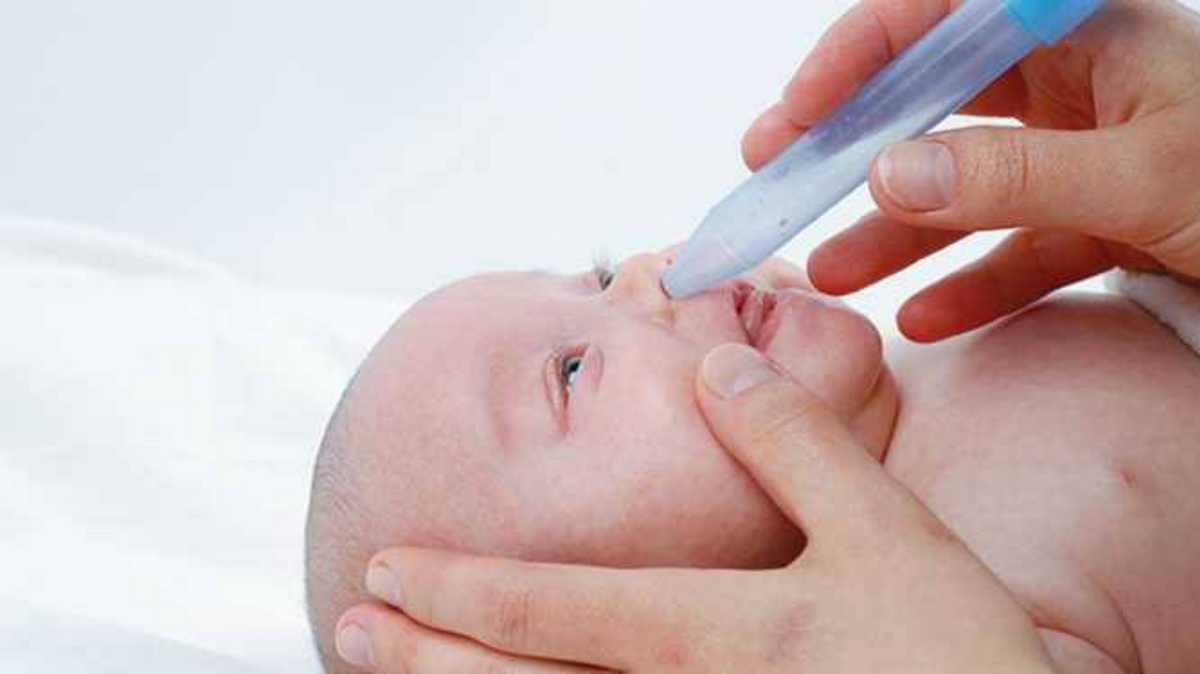
Saline drops or sprays can be used to loosen the mucus in your baby’s nose, making it easier for them to breathe. A nasal aspirator may also be used to remove the mucus from your baby’s nose.
2. Humidifier
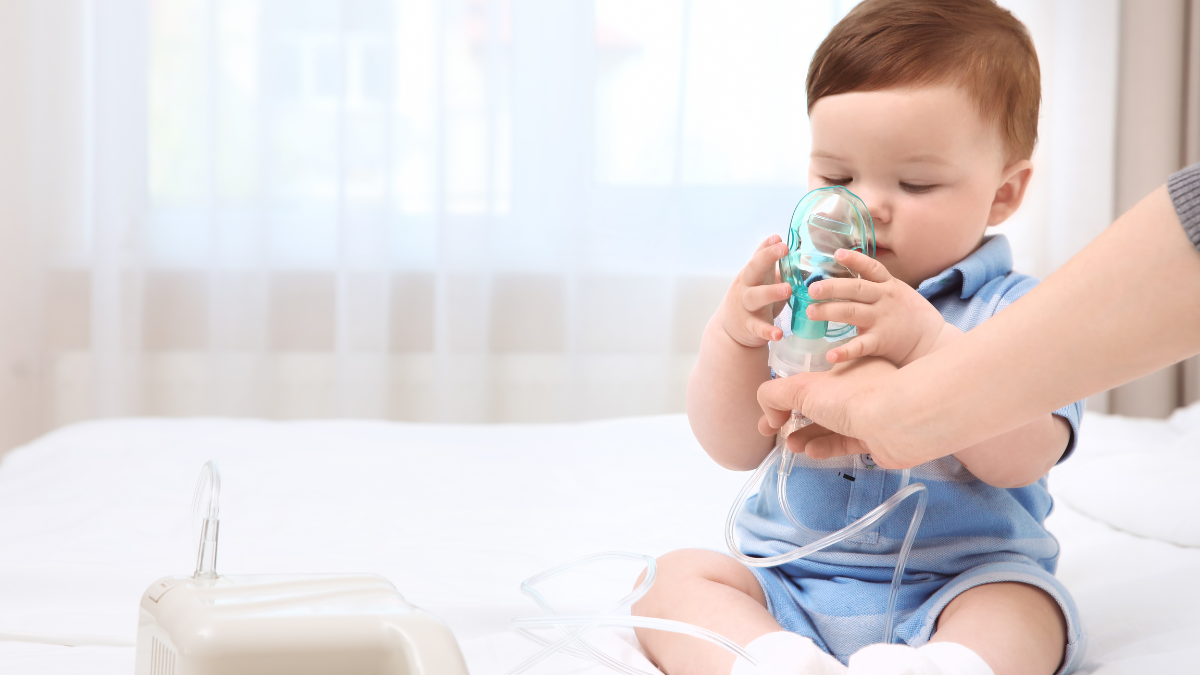
A humidifier is another common solution used to treat sinus infections in babies. You can use a humidifier in your baby’s room to help ease their congestion and open up their airways for easier breathing.
3. Hydration
Hydration is also helpful when treating your baby’s sinus infection. Make sure to keep your baby hydrated by offering them breast milk or formula throughout the day.
4. Pain Relief
Pain relief is often necessary for a baby who may be in discomfort or pain. Your pediatrician may prescribe over-the-counter pain relievers, such as infant acetaminophen or ibuprofen.
5. Antibiotics
Antibiotics may also be prescribed if the cause of the sinus infection is bacterial. In such cases, your baby will be prescribed antibiotics by the pediatrician, and you should complete the full course of antibiotics, even if the baby has fully recovered.
6. Steam Inhalation
Steam inhalation is another common method used to treat sinus infections in babies. You may take your baby into the bathroom and let them sit in the steam for a few minutes. The steam will help loosen up mucus.
Related: 10 Ways to Keep Your Baby’s Skin Healthy
When to Seek Medical Attention
Although most sinus infections will resolve themselves over time with the help of some at-home treatments, it is important to seek medical attention when:
-
Your baby’s fever persists for more than 2-3 days or rises higher than 102°F (39°C).
-
Your baby has symptoms of an ear infection, such as pulling at their ears, having a high fever, or trouble hearing.
-
Your baby is having breathing problems or appears lethargic.
-
You notice that your baby’s symptoms are worsening and not improving over time.
Conclusion
Sinus infections in babies are not always easy to diagnose, and it is usually a struggle for parents to pinpoint the cause of their baby’s fussiness and discomfort. However, with the key symptoms listed in this article, you can quickly diagnose and treat your baby’s sinus infection.
We have also outlined the common causes of sinus infections in babies, as well as other conditions that have similar symptoms to sinus infections in babies.
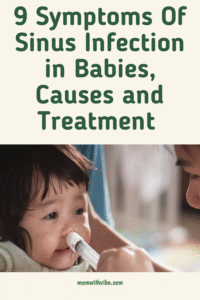
Save the pin for later

- Dry Cough in Kids: 5 Causes and Safe Solutions - September 23, 2026
- How to Help a Child Deal With Anxiety at Home - September 12, 2026
- How to Prepare Your Child for the First Day of School - September 12, 2026