Childbirth is one of the most incredible experiences a woman can have. The feelings of joy, excitement, and the life you just get connected with are out of this world! However, the reality of the physical and emotional changes that come with pregnancy and childbirth is intense.
As the body recovers, many mothers find that it takes a long time before everything feels “normal” again. In fact, the whole postpartum healing process can feel like a blur. In this post, we are going to look at why it takes a while for a woman to recover after having a baby.
There is a lot more going on in a woman’s body during and after pregnancy than you might think.
The Physical Recovery Process
The Healing of the Body
The process of postpartum healing can be divided into physical and emotional categories, but both of them are closely intertwined and interdependent. First, let’s take a look at the physical changes and challenges women face during the recovery process.
Uterus, Pelvic Floor, and Vaginal Healing
The first and most obvious physical change that a woman’s body needs to recover from after giving birth is, of course, the uterus and all its amazing capabilities. During pregnancy and childbirth, the uterus is stretched and expanded to accommodate a growing baby. However, after birth, the uterus must shrink to its pre-pregnancy size, a process that can take up to six weeks or more.
The good news is that a woman’s body is naturally programmed to recover and return to its original state. During pregnancy, the uterus expands and contracts in preparation for childbirth, so it should not be too difficult for it to recover after birth. One thing you may notice in this process is postpartum bleeding or lochia. It is completely normal, and it happens as the uterus sheds the lining that helped to sustain the pregnancy.
Related:8 Weird Things About Babies in the First Four Hours After They Are Born
Pelvic Floor Recovery
Childbirth also takes a toll on a woman’s pelvic floor muscles, which can lead to discomfort, incontinence, and even pelvic organ prolapse in severe cases. Recovery from pelvic floor damage can take several months and may require physical therapy or exercises to strengthen the pelvic muscles. Kegels are the most common exercises for this issue and are a great way to strengthen the pelvic floor muscles and help with recovery.
Vaginal Healing
If you have just had a vaginal birth, whether it was an episiotomy or natural tearing, you may notice some soreness and discomfort in the vaginal area. It can take a while for the vaginal area to fully recover, especially if you have stitches or a significant tear. This can make it difficult to resume normal activities, including sexual intercourse, for several weeks after childbirth.
The Abdomen and C-Section Recovery
For women who have had a cesarean section, the recovery process can be even more challenging. A C-section is a major abdominal surgery, and the incision must heal before a woman can resume normal activities. It can take several weeks for a C-section incision to fully heal, and women must be careful not to lift heavy objects or strain their abdominal muscles during this time. Additionally, many women experience soreness, numbness, or tenderness around the incision site for weeks or even months after surgery.
Related: What To Expect In First Period After C-Section
Hormonal Shifts and Physical Changes
Women’s Hormones and Body Changes After Birth
In addition to the physical changes to the uterus, pelvic floor, and vagina, women also experience significant hormonal changes after birth. During pregnancy, women’s hormones are constantly fluctuating, and after childbirth, there is a sharp drop in hormones such as progesterone and estrogen.
This sudden drop in hormones can lead to a variety of physical symptoms, including:
-
Hair Loss
-
Extreme Sleepiness
-
Loss of Appetite
-
Breast Engorgement and Pain
-
Decrease in Libido
-
Sweating and Skin Breakouts
-
Fatigue
-
Menstrual Bleeding
Hair Loss
Hair loss is one of the most common and noticeable changes that women experience after childbirth. During pregnancy, a woman’s hormones are constantly changing, which can cause her hair to become thicker and fuller. However, after childbirth, the body’s hormone levels will return to normal, which can cause hair loss.
Hair loss is typically temporary and is nothing to be concerned about. It is normal to lose hair after childbirth, but the hair will grow back.
Extreme Sleepiness
Extreme sleepiness is another common change that women experience after childbirth. It is common for a woman to sleep for long periods during the day, especially if she is breastfeeding. Breastfeeding is a major activity in the life of a new mother, and it is quite tiring to do it every two to three hours at night.
Breast Engorgement and Pain
Breast engorgement is another common change that women experience after childbirth. Breast engorgement is when the breasts become swollen and painful due to an overabundance of milk. This is usually temporary and will go away once the body adjusts to breastfeeding.
Breast engorgement can be a painful and uncomfortable experience for new mothers, so it is important to seek help and advice from a lactation consultant or doctor if you are struggling.
Related: Healthy and Firm Breasts: 11 Things Women Should Totally Avoid
Loss of Appetite
Loss of appetite is another common change that women experience after childbirth. It is normal for a woman to lose her appetite after giving birth, as the body is going through a lot of changes. This is usually temporary and will go away once the body adjusts.
Decrease in Libido
A decrease in libido is another common change that women experience after childbirth. It is normal for a woman to have a decreased sex drive after giving birth, as the body is going through a lot of changes. This is usually temporary and will go away once the body adjusts.
Sweating and Skin Breakouts
Sweating and skin breakouts are also common changes that women experience after childbirth. The body is going through a lot of changes after childbirth, and the hormones that are released can cause sweating and skin breakouts.
Fatigue
Fatigue is another common change that women experience after childbirth. It is normal for a woman to feel fatigued after giving birth, as the body is going through a lot of changes. This is usually temporary and will go away once the body adjusts.
Menstrual Bleeding
Menstrual bleeding is also a common change that women experience after childbirth. After giving birth, a woman’s menstrual cycle will return to normal, and she will start having regular periods. This is usually temporary and will go away once the body adjusts.
Sleep Deprivation
One of the most challenging aspects of the postpartum recovery process is, of course, sleep deprivation.
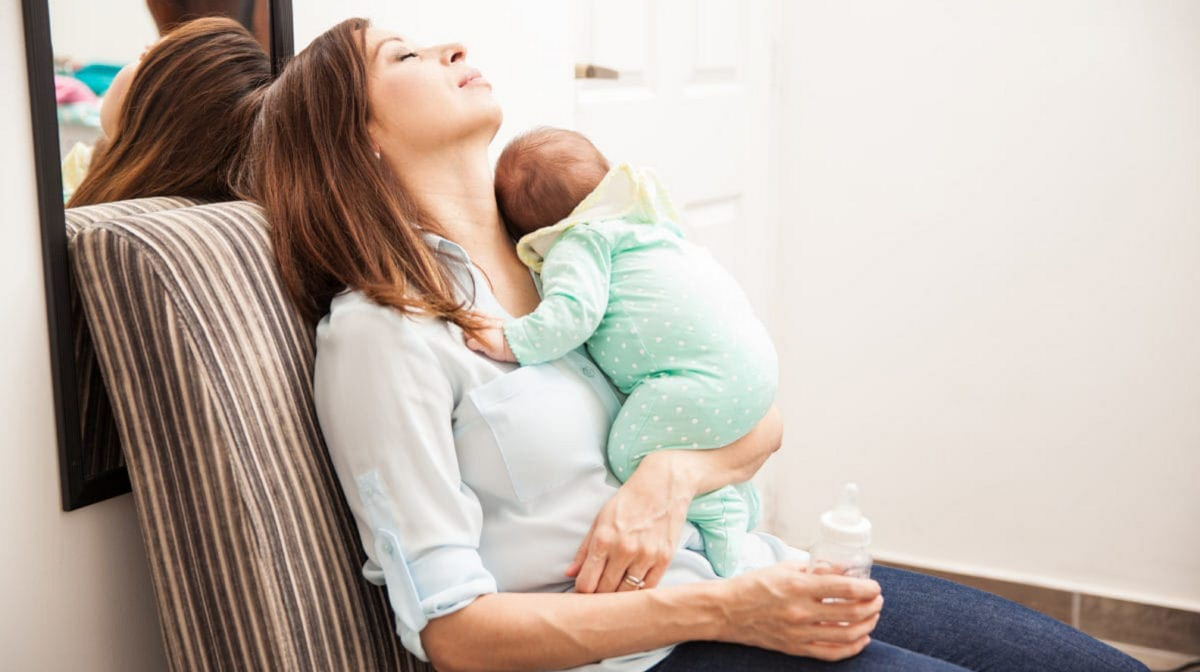
As any new parent will tell you, caring for a newborn is an extremely tiring job, and mothers often have to adapt to their child’s schedule. Newborns usually need to be fed every two to three hours, day and night, and as you can imagine, the lack of proper rest is one of the first things to take a toll on a new mother’s body.
Sleep is essential for the body to recover, so when a new mother is chronically sleep-deprived, it feels like her body is always in recovery mode. In addition to the physical effects, sleep deprivation can also have a significant impact on a mother’s mental functioning and emotional stability.
In other words, the effects of sleep deprivation are felt almost immediately and can last for weeks or even months, which makes it particularly challenging for new mothers to recover both mentally and physically.
Related:10 Benefits of Co-Sleeping with Your Baby
The Emotional and Psychological Recovery
Postpartum Depression
While we are on the topic of sleep deprivation, it is also worth mentioning the negative effects it can have on a mother’s emotional and mental well-being. New mothers are particularly vulnerable to developing postpartum depression (PPD), a serious mental health condition that affects around 1 in 7 women (according to the CDC). In fact, some recent studies have shown that sleep deprivation during pregnancy and the postpartum period can increase a woman’s risk of developing PPD.
Postpartum depression can cause a wide range of symptoms, including persistent feelings of sadness, hopelessness, irritability, and a lack of interest in usual activities. If you are a new mother and you think you may be suffering from PPD, it is important to seek medical help. Postpartum depression is a serious condition that requires medical treatment, including therapy, medication, or a combination of both.
The Baby Blues
It is important to note that, in addition to PPD, many women also experience what is commonly known as the “baby blues.” This is a temporary state that affects many mothers in the first few days after childbirth. During the baby blues period, women may feel moody, irritable, and overwhelmed. The baby blues is thought to be caused by the rapid hormonal fluctuations that occur after childbirth, combined with the stress and anxiety that comes with caring for a newborn.
Unlike postpartum depression, the baby blues is a relatively mild condition that usually goes away on its own within a few weeks. However, if you are feeling overwhelmed and don’t think you can cope, it is important to seek help and support. Remember, there is no such thing as a “bad mother,” and it is completely normal to need help and support after giving birth.
The Mental Load of Motherhood
In addition to the physical and emotional changes that a woman’s body goes through after childbirth, there is also the mental load of motherhood to contend with. Caring for a newborn baby is an extremely mentally and emotionally draining process. New mothers often have to juggle a wide range of tasks, including:
-
Tracking their baby’s needs (feeding, changing diapers, burping, naps, and more)
-
Logging appointments and feeding schedules
-
Ensuring they have everything they need to care for the baby
-
Staying on top of household chores
-
Running errands
It is not uncommon for new mothers to feel as if they are constantly on the go, with very little time for themselves. This can be particularly difficult when a woman is also trying to recover from childbirth. The mental load of motherhood can be quite overwhelming, and it is important to seek help and support when needed.
Related:20 Things Kids Need to Hear To Feel Loved
Body Image and Self-Esteem
One of the most common issues that women struggle with after childbirth is their body image and self-esteem. As mentioned above, pregnancy and childbirth can cause a variety of physical changes to a woman’s body. This can include weight gain, stretch marks, changes in breast size, and more. For many women, these changes can be difficult to come to terms with, and it can take some time to adjust.
Social and Support Systems
The last factor that can significantly influence a woman’s recovery after childbirth is her social and support system. Women who have a strong network of supportive friends, family, and partners tend to recover more easily and quickly. However, women who are more isolated or lack social support may have a more difficult time physically and emotionally.
As we have seen above, the postpartum recovery process is long and arduous. It involves physical and emotional healing, and it can take a long time for a woman to feel like herself again. However, with time and support, women gradually recover and start to regain their strength, confidence, and sense of self.
It is important to be patient and kind to yourself during this time and to remember that every woman’s recovery is unique. By taking care of yourself, seeking help and support when needed, and being gentle with yourself, you will come out of this experience feeling stronger and more resilient.

- 8 Noticeable Symptoms of a Baby Boy During Pregnancy - November 8, 2025
- 10 Little Things You Should Not Do To Your Breasts - November 6, 2025
- 20 Things A C-Section Mom Should Avoid - November 5, 2025