Watching your little bundle of joy reach various milestones in their babyhood is one of the most exciting parts of parenthood. But as parents will tell you, each of those adorable developmental stages also comes with its own set of headaches and concerns.
Wondering if your little one is teething? Not sure what to expect when they start sprouting teeth? Learn all about the little human in your life in this ultimate guide on when babies start teething and how to tell if your baby is teething.
What Is Teething?
In a nutshell, teething is when your baby’s milk teeth (or first set of teeth) start to grow through the gums.
Expect the first signs of teething between 4 and 7 months old. Most babies’ gums start to split open as their little milk teeth break through, so there’s no mistaking what’s happening if it happens during this time frame.
Some parents report their kids teething even earlier than four months. Some babies will get their first tooth earlier, and others later. Each child is different, and they will teethe at their own pace.
Teething is both exciting and painful, as the pressure from the tiny teeth pushing their way up can make babies extra irritable, fussy, and more prone to sleeping and eating troubles.
That is why the magic number of six months is such a sought-after benchmark for new parents. Unfortunately, there is little you can do to relieve the stress during these six toothy months, other than keeping calm and distracting the baby with lots of fun.
Signs That Your Baby Is Teething
When does teething start in babies? Symptoms vary from one little one to the next, but look out for some of the following signs:
1. Drooling
Increased drooling is one of the most reliable indicators of teething, especially when you also see your baby rubbing their chin or neck after they drool on themselves. This is because the teething process kickstarts your baby’s salivary glands into overdrive. It’s also one of the easier teething symptoms to deal with because your baby is unlikely to get too upset by it.
Related: Teething Tablets: Are They Safe for Babies?
2. Fussiness or Irritability
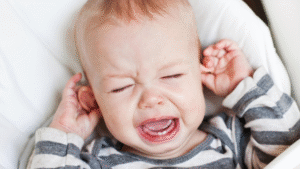
Fussiness is one of the most common signs that your baby is teething. The pressure from the tooth erupting through the gums can cause your baby discomfort and make them extra cranky. They may even cry and fuss more than usual.
3. Changes in Eating and Sleeping Habits
If teething babies have trouble sleeping, eating can also be affected, with many babies refusing to eat or nurse because sucking and chewing make their gums hurt more. If you notice your baby’s sleeping and eating habits are being disrupted more than usual, teething could be the culprit.
Related: 15 Signs of Baby Teething
4. Gum Irritation and Swelling
You may also notice that your baby’s gums are swollen and red in the places where their teeth are coming through. They will also be sensitive or tender when you touch them with a clean finger. This is entirely normal but painful for your baby.
5. Biting and Chewing
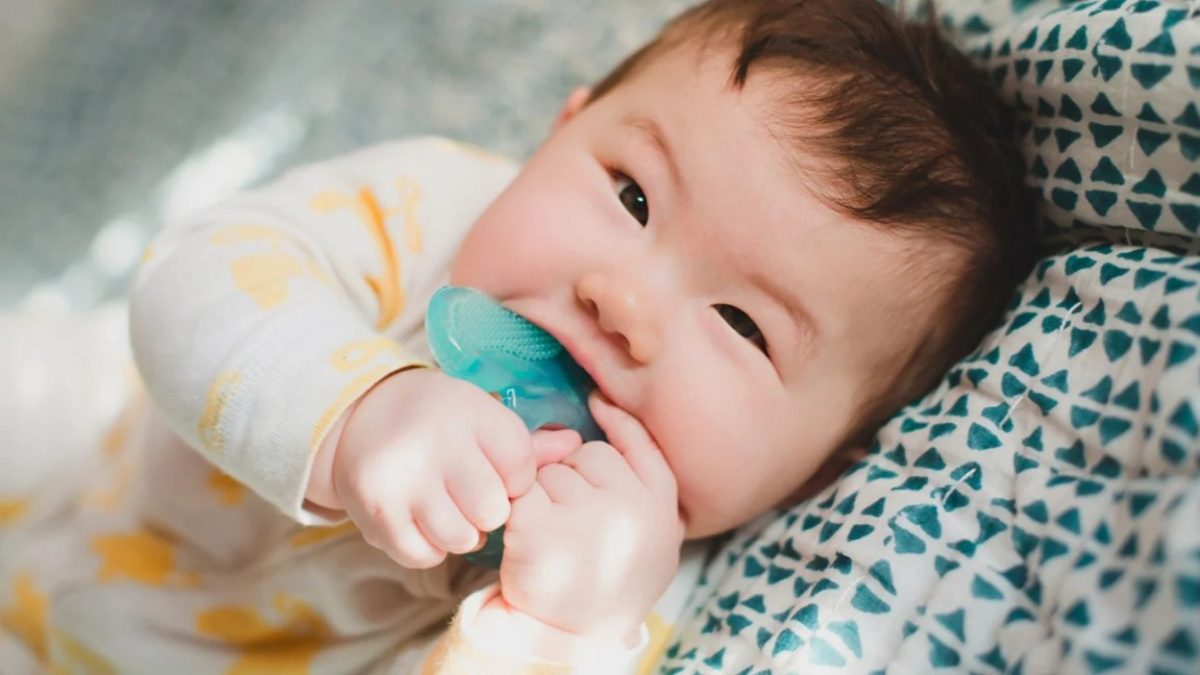
Your baby will instinctively start to chew on toys, their hands, or whatever they can reach to relieve the pressure on their gums. Biting is one of their best ways to combat teething pain, as it helps to numb the gum area and provide counterpressure.
Related: 7 Things to Do When Your Baby Is Teething
6. Ear Pulling and Face Rubbing
Another fun teething symptom is babies pulling on their ears and rubbing their faces, usually because the pain from their gums can spread and intensify in other areas like the cheeks and ears.
Teething Timeline
So, at what age do babies start teething? The general teething timeline for babies is as follows:
-
6 to 10 months: First come the two lower central incisors, the bottom front teeth.
-
8 to 12 months: Then come the upper central incisors, the upper front teeth.
-
9 to 13 months: The upper lateral incisors and lower lateral incisors come in third.
-
13 to 19 months: The first molars to erupt are usually the upper ones, followed by the lower molars between 23 and 31 months.
-
17 to 23 months: In between come the upper and lower canines (or cuspids).
-
25 to 33 months: Last but not least come the second set of molars on the upper and lower jaws.
Related: 8 Scary Reasons You Should Never Let Anyone Kiss Your Baby
How to Comfort a Teething Baby
The good news is, there are several things you can do to soothe your baby during this time.
1. Teething Toys and Rings
One of the most popular ways to help your baby with teething is to provide them with a teething ring, preferably one you can chill in the fridge for a few minutes before letting your baby chew on it. The cold helps numb the gums, while chewing provides some relief from the pressure.
2. Cold Washcloth
Similar to the above, a clean cold washcloth is great for sore gums. Letting your baby chew on a cloth or rubbing the washcloth against your baby’s gums can bring some relief. Ensure the washcloth is only cold and not freezing cold, as that could irritate your baby’s skin.
3. Gum Massage
Rubbing your baby’s gums with a clean finger can also help them cope with the pressure. A little massage may be just the thing to soothe their irritation.
4. Baby Teething Gel and Over-the-Counter Painkillers
You can also buy over-the-counter baby teething gels or ask your doctor about a safe pain reliever for babies, such as acetaminophen or ibuprofen.
5. Distraction and Comfort
Sometimes, all your baby needs is a little extra comfort and distraction to get through the teething stage. Singing, playing, or cuddling can distract them and make them feel better, so don’t be afraid to cuddle your baby close during this time.
Related: 50 Fun Indoor Activities for Kids (That Don’t Involve Screens)
Teething Myths to Ignore
There are so many myths and misconceptions about parenting, and teething is no exception. Here are a few common teething myths new parents should know about so they can stop worrying unnecessarily:
-
Teething Causes High Fever: Teething may be painful and irritating, but it will not cause a high fever. While a mild temperature increase is possible with teething babies, high fever usually indicates an illness that is unrelated to the teething process.
-
Teething Causes Diarrhea: A severe case of diarrhea is usually the sign of a viral infection or some other medical condition. Teething may affect a baby’s digestive system as their diet changes, but it is rare for teething alone to cause diarrhea.
-
Teething Can Cause a Rash: A rash caused by drooling can sometimes happen during teething, but it is typically nothing to be concerned about. Wipe away any excess drool, and use some gentle lotion on your baby’s skin to protect it.
When to Call the Doctor
It is hard to say for sure whether your baby is teething or suffering from a mild illness, as some of the symptoms overlap.
However, if your baby seems excessively irritable or is having severe diarrhea, a high fever, or other worrying symptoms, call your pediatrician and let them decide if it is a normal part of teething or not. It is also a good idea to call if your baby suddenly has problems eating, or there is an unusual delay with their teething.
Final Thoughts
Teething is a natural and temporary part of life as a parent. With a little support and love, your baby will eventually get through the teething stage with flying colors.
In the meantime, do not hesitate to call your doctor for reassurance or advice, as they are well-trained to deal with these questions and will provide you with the most up-to-date information about your baby.
However, if your baby seems perfectly healthy and happy aside from the teething, there is no need to worry. They will eventually get through this stage too and won’t be just teeth. You’ll look back at these early days of parenting in awe of how quickly your child grew, before you know it!
Save the pin for later

- 50 January Baby Shower Ideas for a Cozy Winter Celebration - July 26, 2026
- 15 Signs You Should Stop Working During Pregnancy - July 23, 2026
- A Little Boo Is Due Baby Shower Ideas - July 17, 2026