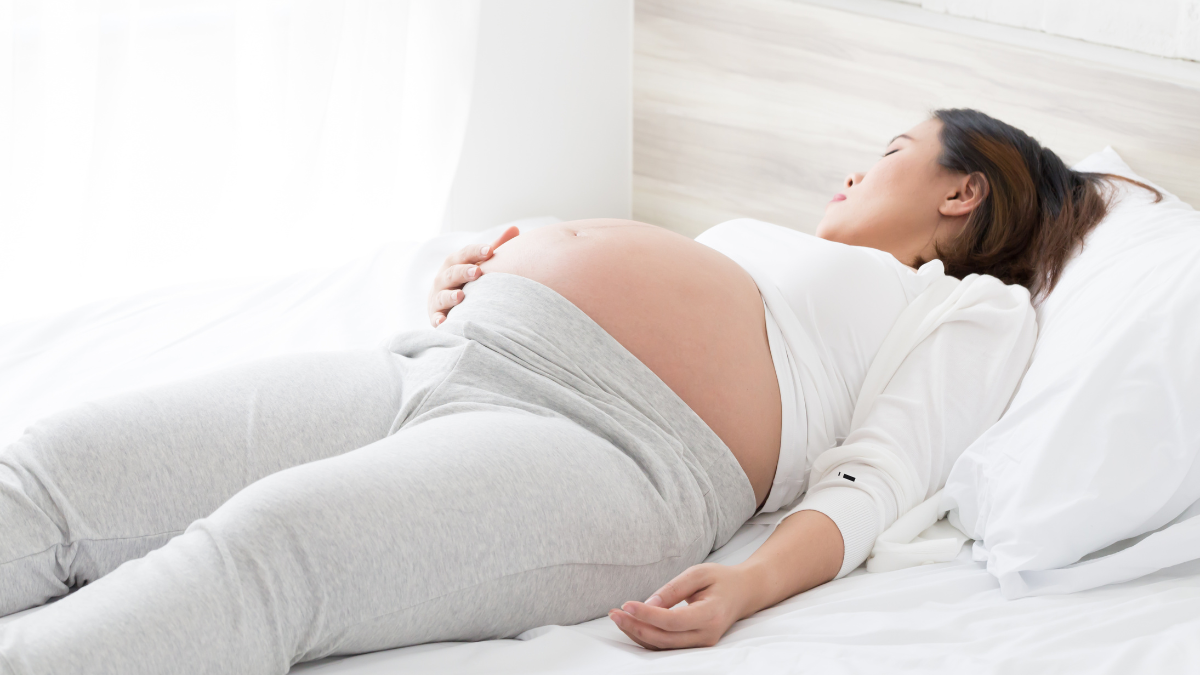
Low birth weight in babies is a reality for some parents. If you have a low birth weight baby, you may have concerns about their health and development. It is also important to note that low birth weight (LBW) doesn’t always equate to poor health.
However, if a baby is born too soon or doesn’t get the proper nutrients in the womb, it may face a more challenging road in the early stages of life.
In this article, we will discuss the eight main causes of low birth weight in babies and what you can do to help prevent it.
8 Causes of Low Birth Weight in Babies and What to Do
1. Premature Birth (Preterm Birth)
Premature birth is one of the most common causes of low birth weight. It refers to a baby born before 37 weeks of pregnancy are completed.
Full-term pregnancies last about 40 weeks, so preterm babies don’t have as much time to grow in the womb. This often means that they may not be fully developed, including their organs, when they are born. Premature babies often have difficulty gaining weight and may have a lower immune response in the early stages of life.
What to Do:
The best way to reduce your risk of premature birth is to have regular prenatal checkups and follow your doctor’s instructions.
Prenatal care can help identify any risk factors for early labor and provide you with important advice for staying healthy during pregnancy. It is also important to maintain a healthy lifestyle during pregnancy, including eating a nutritious diet, managing stress, and avoiding smoking or drinking alcohol.
Related: What Your Baby’s Birth Weight Tells You
2. Infections During Pregnancy
Certain infections during pregnancy can also lead to a low birth weight baby. Infections such as urinary tract infections, bacterial vaginosis, or sexually transmitted infections can cause preterm labor or affect the baby’s growth.
What to Do:
Make sure you are well hydrated, eating a nutritious diet, and seeking medical attention if you suspect an infection. Treating an infection as soon as possible is important to avoid further complications that can harm the baby or lead to early labor. Vaccinations and regular screenings can also help prevent infections during pregnancy.
3. Multiple Pregnancies (Twins, Triplets, etc.)
A multiple pregnancy (pregnancy with more than one baby) is more likely to result in a low birth weight baby. Twins, triplets, and other multiple pregnancies have a higher risk of being born preterm and not having as much time in the womb to grow as a single-baby pregnancy would allow.
What to Do:
It is even more important for mothers of twins or multiples to have regular prenatal checkups. During these visits, the doctor will be able to monitor the growth of each baby and ensure you are getting enough rest and nutrition. Your doctor may also have specific guidelines for multiple pregnancies regarding caloric intake, vitamins, and supplements.
Related: 12 Pregnancy Tips For Normal Delivery
4. Maternal Health Conditions
Certain chronic health conditions in the mother, such as hypertension, diabetes, or kidney disease, can also increase the risk of low birth weight. These conditions can cause problems with blood flow to the placenta, which affects the amount of nutrients and oxygen the baby receives.
What to Do:
If you have a chronic health condition, it is important to have it well-controlled before and during pregnancy. This may include taking medications as prescribed, following your doctor’s advice, and monitoring your condition closely. A healthy lifestyle, including a balanced diet and exercise, can also help manage some conditions like diabetes or hypertension. It is also important to avoid tobacco use and alcohol during pregnancy.
5. Poor Nutrition During Pregnancy
Proper nutrition during pregnancy is essential for the baby’s growth and development. If the mother doesn’t consume enough nutrients like proteins, vitamins, and minerals, it can lead to a condition known as fetal growth restriction, which can cause low birth weight.
What to Do:
The key to good nutrition during pregnancy is a well-balanced diet that includes fruits, vegetables, whole grains, lean proteins, and healthy fats. Make sure you are also eating foods rich in vitamins and minerals essential for pregnancy, such as folic acid, calcium, and iron. It is also a good idea to take prenatal vitamins as directed by your doctor.
Related: What Is Food Cravings During Pregnancy?
6. Teenage Pregnancy
Teenage mothers, especially those under the age of 18, have an increased risk of giving birth to a low birth weight baby. This is because their bodies are still growing and may not have the same capacity as an adult female to provide the necessary nutrients for a healthy pregnancy. Teenage mothers are also more likely to experience poor prenatal care and engage in unhealthy habits such as smoking or poor eating habits.
What to Do:
Teenage mothers should seek prenatal care as early as possible in the pregnancy. Prenatal visits will be important to monitor both the teenager’s health and the baby’s growth. Teen mothers may also require extra support and education regarding nutrition, healthy habits, and the dangers of smoking, alcohol, and drugs during pregnancy.
7. Smoking, Alcohol, and Drug Use
Smoking, drinking alcohol, and using drugs during pregnancy can also lead to a low birth weight baby. All of these substances can restrict blood flow to the placenta and prevent the baby from getting the nutrients and oxygen it needs for healthy development. Smoking, in particular, has also been linked to an increased risk of preterm birth and intrauterine growth restriction.
What to Do:
Smoking and drinking should be avoided during pregnancy for the health of both the mother and baby. If you are a smoker or drinker, it is important to quit as soon as possible to reduce the risk of low birth weight. Drug use should also be avoided at all costs during pregnancy. If you need help with any substance use, contact your healthcare provider for support and resources.
Related: Nutrikids Food Nutrition DHA+ Orange
8. Age of the Mother (Older Maternal Age)
Older mothers (over the age of 35) may be at a higher risk of having a low birth weight baby. This is because as women age, they are more likely to develop health complications such as hypertension, diabetes, or preeclampsia. These conditions can increase the risk of fetal growth restriction or preterm labor.
What to Do:
Older mothers should take extra precautions to monitor their health during pregnancy. This includes having regular checkups, eating a nutritious diet, and getting enough exercise. It is also important to follow your doctor’s instructions carefully during pregnancy, as well as avoid tobacco use and alcohol.
Conclusion
Low birth weight is a cause for concern for many parents, but it’s important to remember that with the right precautions, many of the risks associated with low birth weight can be avoided.
Understanding what causes low birth weight can help mothers take the necessary steps to protect their unborn baby and receive the proper care.
This may include managing a pre-existing health condition, making healthy lifestyle choices, or seeking prenatal care early in pregnancy. By staying informed and working with a healthcare provider, mothers can give their baby the best chance at a healthy start in life.
Save the pin for later

- How to Help a Child Deal With Anxiety at Home - September 12, 2026
- How to Prepare Your Child for the First Day of School - September 12, 2026
- Age-Appropriate Chores for Kids by Age Group - September 12, 2026