
Good nutrition in children isn’t about short-term goals.
It’s about building:
-
Happy bodies
-
Healthy minds
-
Immune systems that can fight off illness
-
…and lifelong habits
During childhood:
-
Bones grow
-
Muscles develop
-
Brains make millions of connections every second
Food nourishes this process. What your child eats impacts their:
-
Energy
-
Focus
-
Mood
-
Attention span
-
Ability to learn
It also lays the foundation for their future health.
But if you have kids, you already know that feeding them well doesn’t always feel great.
There’s constant pressure to find something they’ll both like and eat.
One day your child only wants rice.
The next day, they refuse everything green.
“You love carrots!” you say. But they don’t. Not today.
Parenting isn’t easy—and you are not failing because your child is a picky eater.
What’s frustrating is that most nutrition advice is vague:
“Serve them vegetables.”
“Make balanced meals.”
“Cut down on sugar.”
Helpful in theory… but hard in real life.
If you’re looking for a way to improve your child’s nutrient, this post is the right thing for you.
I don’t just list “healthy foods.” I explained:
-
Why each food is important
-
What it does for your child’s body
-
Simple ways to serve it so kids will eat it
-
How to build habits without stress or power struggles
Food Doesn’t Have to Be Hard
Perfection isn’t the goal.
Small amounts of nutrient-dense foods served consistently matter most.
A relaxed approach to nutrition leads to:
-
Fewer struggles at mealtime
-
More balance and variety in their diet
-
Greater confidence in your parenting
Why Childhood Nutrition Is Different
Children have greater nutrient needs per kilogram of body weight than adults.
They’re growing new tissue. Developing vital organs. Forging new brain connections.
Key nutrients support this growth:
-
Protein – growth and repair (muscles, organs, immune system)
-
Calcium & Vitamin D – bones and teeth
-
Iron – oxygen transport and brain development
-
Healthy fats – memory, focus, nervous system
-
Fiber – digestion and gut health
-
Vitamins & Antioxidants – immunity and disease prevention
Without these nutrients, children may experience:
-
Weakness and low energy
-
Difficulty focusing
-
Frequent illness
-
Slow growth
-
Mood swings or irritability
Food is fuel for growth—but it’s also information that teaches the body how to grow well.
Related: 10 Finger Foods for Toddlers
30 Nutrient-Rich Foods Kids Need (With Easy Ways to Serve Them)
These foods are grouped by what they support. You don’t need all of them every day.
Focus on patterns over time—not perfection in one meal.
Fruits – Vitamins, Hydration & Immunity
-
Bananas – Quick energy and potassium for muscles.
Serve: On oatmeal, in smoothies, or in mini pancakes. -
Apples – Fiber for digestion and dental health.
Serve: With peanut butter or baked with cinnamon. -
Oranges – Vitamin C for immunity and iron absorption.
Serve: Wedges or frozen into treats. -
Berries – Antioxidants for brain health and learning.
Serve: In yogurt, oatmeal, or frozen for snacks. -
Mango – Vitamin A for vision, skin, and immunity.
Serve: In fruit bowls or smoothies. -
Watermelon – Hydration and refreshment.
Serve: Cubed on hot days or frozen.
Related: 9 Foods to Help Increase Your Baby’s Weight
Vegetables – Growth, Immunity & Digestion
-
Carrots – Eye health and immune support.
Serve: Raw with hummus or grated into rice. -
Spinach – Iron and folate for brain development.
Serve: Blended into smoothies or sauce. -
Broccoli – Immune strength and digestion.
Serve: Steamed with cheese or in pasta. -
Sweet Potatoes – Long-lasting energy and vitamin A.
Serve: Mashed, baked, or as fries. -
Tomatoes – Cell protection and immunity.
Serve: In stews, eggs, or sandwiches. -
Bell Peppers – Vitamin C for strong immunity.
Serve: Thinly sliced in wraps or stir-fries.
Related; 20 High Calorie Food For Your Pinky Toddler
Protein – Growth, Repair & Focus
-
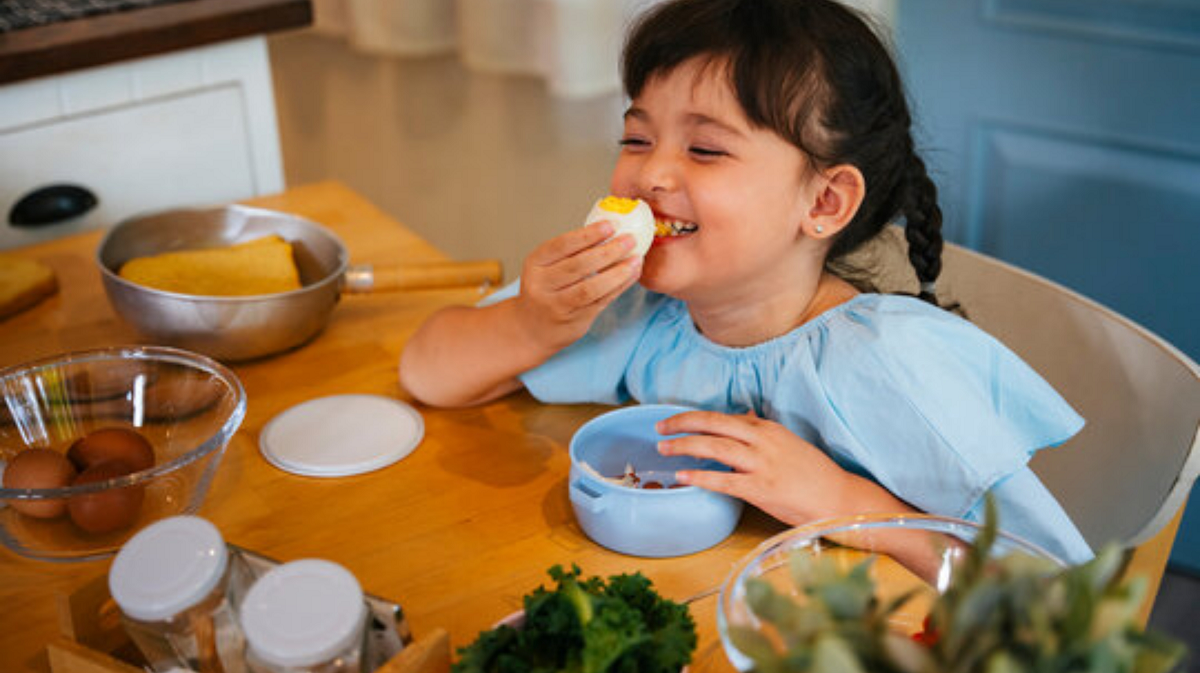
Eggs – Muscle growth and brain fuel (choline).
Serve: Boiled, scrambled, or in muffins. -
Chicken – Lean protein for strength and immunity.
Serve: In rice, soups, or wraps. -
Fish (Salmon) – Omega-3s for brain development.
Serve: Flaked into pasta or rice. -
Beans – Fullness, digestion, and steady energy.
Serve: Mashed into spreads or soups. -
Peanut Butter – Healthy fats and protein.
Serve: On toast, bananas, or in smoothies. -
Lentils – Iron and protein for growth.
Serve: In soups or mixed with rice.
Dairy & Alternatives – Bones & Teeth
-
Milk – Calcium and vitamin D for strong bones.
-
Yogurt – Gut health and immunity.
-
Cheese – Protein and bone-building minerals.
Serve dairy in small portions throughout the day.
Related: 10 Foods To Eat When Milk Supply Is Low
Whole Grains – Energy & Digestion
-
Oatmeal – Sustained energy and fiber.
-
Brown Rice – Long-lasting fuel and minerals.
-
Whole Wheat Bread – B vitamins for brain and nerves.
-
Corn – Energy, fiber, and eye support.
Healthy Fats – Brain Development
-
Avocado – Builds brain cells for memory and learning.
Serve: In sandwiches, smoothies, or eggs. -
Olive Oil – Supports heart and cell health.
Serve: Use for cooking instead of butter. -
Nuts (ground for safety) – Protein and minerals for growth.
Serve: Ground into porridge or yogurt.
Additional foods to consider
-
Honey (1+ years) – Natural sweetness and steady energy.
-
Dark Chocolate (sparingly) – Iron and antioxidants for mood and brain health.
How To Raise Healthy Eaters Without Fighting
You’ll have more success if you:
-
Serve new foods with favorites
-
Start with small portions
-
Try again (10–15 exposures are normal)
-
Let kids help in the kitchen
-
Eat together
-
Avoid force or bribery
Food is a learning process—just like reading or riding a bike.
Simple Food Timetable for your kid
Breakfast: Oatmeal + banana + peanut butter
Snack: Yogurt + berries
Lunch: Rice + chicken + carrots
Snack: Apple slices
Dinner: Pasta + spinach sauce + fish
This naturally provides protein, fiber, vitamins, and healthy fats.
FAQs
What if my child refuses vegetables?
Offer them in different forms—raw, cooked, blended. Keep trying.
Do kids need supplements?
Usually no. Consult a pediatrician first.
How many meals should kids eat?
Three balanced meals plus 1–2 healthy snacks.
Are treats okay?
Yes. Balance matters more than restriction.
My child is very picky. What should I do?
Stay calm. Introduce variety slowly. It’s normal.
Final Thoughts
You’re doing a great job.
You don’t have to be perfect—just consistent.
Every sliced strawberry, every warm bowl of oatmeal, and every colorful plate teaches your child what nourishment feels like.
You’re not just feeding your child for today.
You’re building their future.
Trusted Resources
WHO – Child Nutrition
https://www.who.int/health-topics/child-nutrition#tab=tab_1
NHS – Healthy Eating for Children
https://www.nhs.uk/live-well/eat-well/healthy-eating-for-children/
CDC – Nutrition for Infants & Toddlers
https://www.cdc.gov/nutrition/infantandtoddlernutrition
Save the pin for later

- How to Help a Child Deal With Anxiety at Home - September 12, 2026
- How to Prepare Your Child for the First Day of School - September 12, 2026
- Age-Appropriate Chores for Kids by Age Group - September 12, 2026