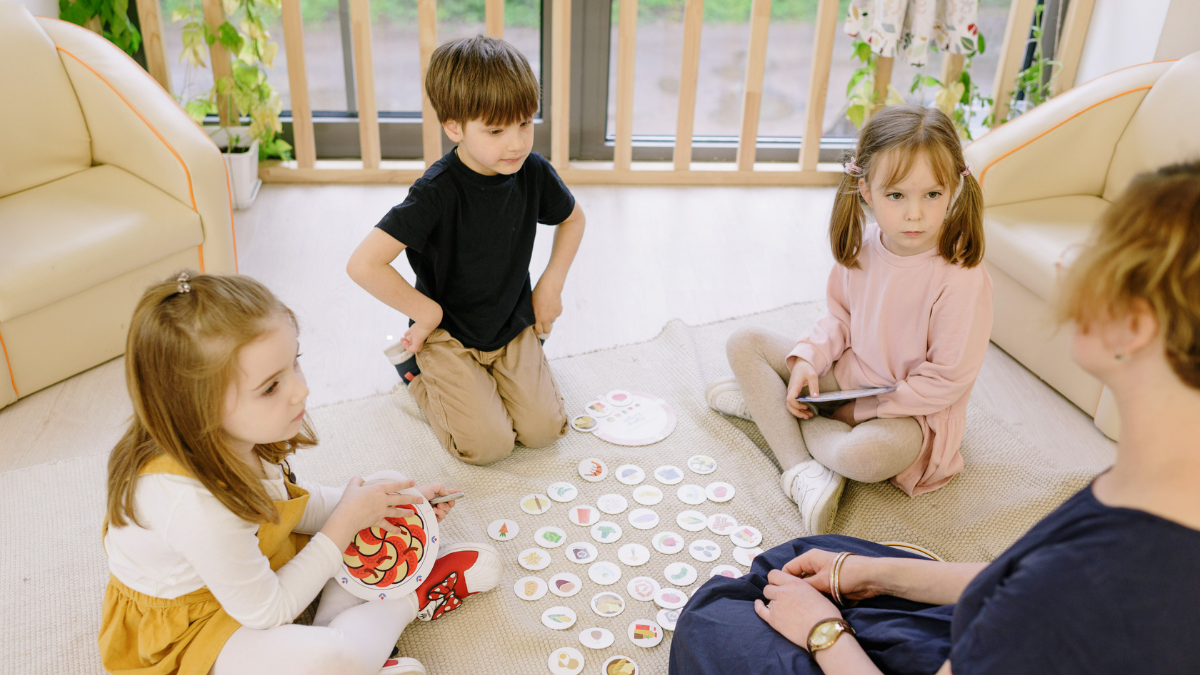

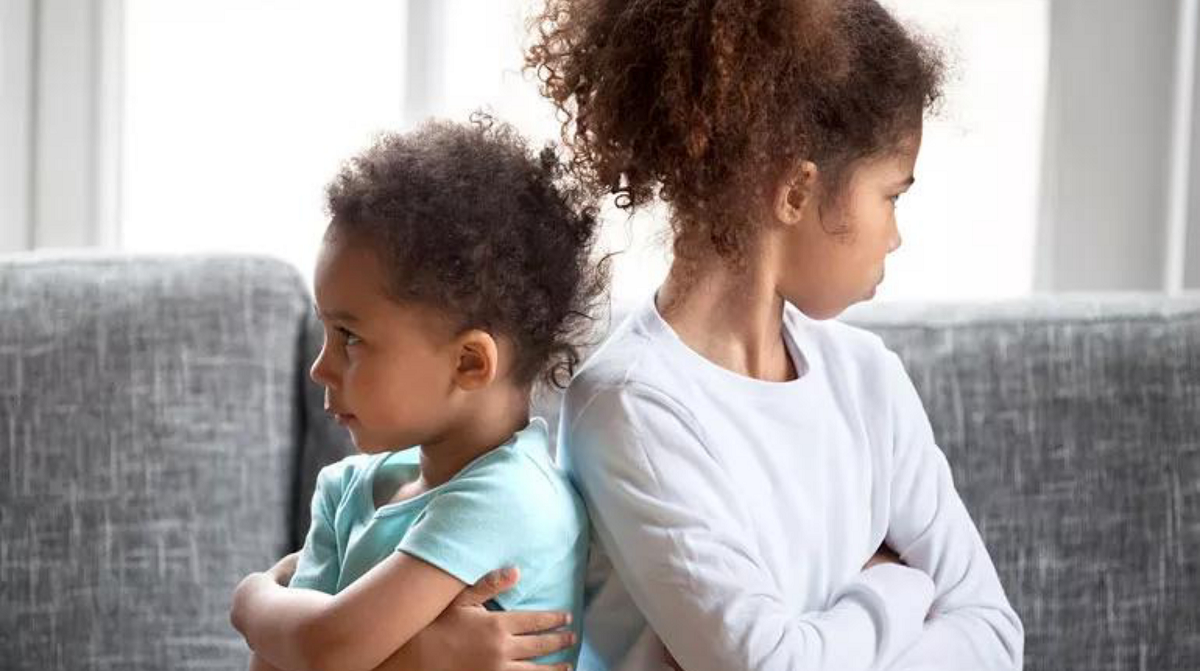
Sibling rivalry is a normal and expected part of childhood. As kids grow and learn how to navigate the complex world of feelings and relationships, they sometimes express themselves through competition, jealousy, and conflict.
As a parent, you may find it heartbreaking and infuriating to witness your children bicker, argue, and grow resentful of one another. But sibling rivalry doesn’t have to be tolerated. In fact, there are plenty of things you can do to manage it so that your children can learn how to create a healthy relationship and build a lifelong bond.
Today, we’ll go through seven actionable tips that will help you put a stop to the bickering, limit rivalry, and give your children a chance to be the kind of siblings they want to be.

7 Proven Tips for Managing Sibling Rivalry
Tip #1: Set Clear Expectations for Behavior
One of the first steps in managing sibling rivalry is to establish and maintain clear expectations for behavior in your household. Kids need to know how to treat one another, and it’s your job to show them. That’s why setting some rules that focus on respect, cooperation, and kindness toward each other is a crucial step in the right direction.
How to do it:
-
Sit down with your children and have a conversation about how to treat one another.
-
Establish rules for respectful behavior, such as listening without interrupting, taking turns speaking, and using words rather than physical actions to communicate their feelings.
-
Be consistent with the rules and gently redirect your children when they deviate from the set expectations in your house.
Pro Tip: Children learn by watching and mimicking behavior they see around them. If you and your partner are respectful of each other, your children are more likely to be respectful of each other too.
Related: 8 Things You Shouldn’t Do in Front of Your Baby
Tip #2: Don’t Take Sides
As the parent, you may feel the need to jump in and mediate every argument your children have, especially if it gets loud. However, jumping in and taking sides will only escalate sibling rivalry and make your kids feel as though they’re being treated unfairly. Instead, try to remain impartial, listen to both sides, and facilitate a fair conflict-resolution process.
How to do it:
-
When your children begin to fight, encourage them to take a deep breath and express their feelings calmly.
-
Listen to each child separately so they can explain their side of the story without interruptions.
-
Help them to identify the actual issue that caused the conflict.
-
Help the children come up with a solution together and agree on the course of action that would satisfy both of them.
-
If needed, impose a clear and consistent consequence for the misbehavior and leave the rest up to the children.
-
Encourage your children to apologize and make amends with each other.
Pro Tip: The longer you hold back from taking sides, the more you’ll teach your children how to handle disagreements independently. It also ensures there will be no resentment or ill feelings from the child whose side you didn’t choose.
Related: 5 Ways to Help Your Kids Listen
Tip #3: Give Individual Attention to Each Child
Sibling rivalry can often be caused by a child’s need for attention. When there’s more than one child in the house, it’s common for children to feel that their love and validation must be earned by outperforming or outshining their sibling in some area of life. To prevent the feeling of competition, it’s important to spend quality time with each child so they feel special and valued.
How to do it:
-
Make sure you spend one-on-one time with each child on a regular basis doing an activity they like, such as reading a book together, going for a walk, or just talking.
-
Balance your time so that each child feels they have an equal share of your attention.
-
Acknowledge and praise each child individually for their qualities, talents, and accomplishments.
Pro Tip: Quality one-on-one time doesn’t have to be expensive or grandiose. In many cases, the simplest and most mundane activities, such as making breakfast together or helping with homework, can form a stronger bond than any expensive gifts or trips.
Tip #4: Teach Empathy and Conflict Resolution Skills
Sibling rivalry is often fueled by hurt feelings, frustration, and a lack of expression of one or both children. By teaching your children about empathy and conflict resolution skills, you can help them develop emotional intelligence, which will, in turn, help them understand their own feelings, the feelings of their siblings, and their responses to the behavior of others.
How to do it:
-
Help your children acknowledge and express their own feelings.
-
When a conflict occurs, guide your children to think about how the other person in the conflict is feeling. For example, if one child is angry at the other, ask, “How do you think your brother felt when you took his toy?”
-
Encourage your children to use “I” statements when expressing their feelings, such as “I felt hurt when you said that.”
-
Teach your children appropriate ways to apologize and resolve conflict, such as taking turns, sharing, and negotiating.
Pro Tip: Teaching empathy and emotional intelligence from an early age will help your children resolve not only their sibling conflicts but also those they may face in all their relationships.
Related: How to Make Your Parents Forgive You
Tip #5: Focus on Teamwork and Cooperation
Instead of teaching your children to always be in competition with each other, try to create situations where they need to act as a team and cooperate to achieve a common goal. It will not only help strengthen their sibling bond but also teach them how to support and help each other.
How to do it:
-
Set up some fun games or activities that require teamwork, such as building a puzzle, preparing a meal, or doing a family project.
-
Praise them for working together and reinforce the idea that teamwork can be more enjoyable and rewarding than competition.
-
Ask your children to take turns, share, and cooperate with each other.
Pro Tip: Turn sibling rivalry into an opportunity for building a positive relationship by setting challenges that require cooperation instead of competition.
Related: 5 Non-Obvious Signs That Your Child May Be Ahead in terms of Development
Tip #6: Acknowledge Their Feelings
Children may act out and lash out because they don’t know how to deal with their emotions. When a situation where sibling rivalry may arise, acknowledge your children’s feelings first instead of dismissing or invalidating them. By making your children feel that their emotions are understood and accepted, you teach them to work through difficult feelings in a constructive way.
How to do it:
-
When your child begins to yell, hit, or throw a tantrum, take a moment to let them know that you’re listening and understand their emotions.
-
For example, you can say, “I hear that you’re angry because your sister took your toy. It’s okay to be angry, but let’s talk about how we can solve this problem.”
-
Help your children find ways to express their feelings in a more productive way, such as using their words instead of yelling or hitting.
-
Give your children the reassurance and comfort they need to feel safe and loved.
Pro Tip: Validation is one of the best ways to make your children feel heard and prevent them from acting out. When they know their feelings are understood and accepted, they’re more likely to express themselves in an appropriate manner.
Related: How To Make Your Kids Feel Loved
Tip #7: Set Consistent Consequences
If sibling rivalry has escalated into more serious negative behavior, such as physical fighting, name-calling, or not sharing, you may have to set up some consequences to correct the bad behavior. Having a clear and consistent response to misbehavior is a very effective way to teach children right from wrong and to take responsibility for their actions.
How to do it:
-
Set up age-appropriate consequences for misbehavior, such as time-outs or loss of privileges.
-
Impose the consequences and be consistent with them. It’s important that the children in your house know that the rules are the same for everyone and the punishment is fair.
-
Hold a conversation with your children after the consequence to explain why their behavior was unacceptable and how they can do better next time.
Pro Tip: A consistent set of consequences is an effective and fair way to make sure your children understand right from wrong. However, it’s very important that the consequences you set up are age-appropriate and used for teaching instead of punishment.
Final Words
Sibling rivalry is natural and to be expected from your children. However, it doesn’t have to cause chaos and disruption in your family or put a strain on your children’s relationships. By setting clear expectations, encouraging empathy, promoting teamwork, and giving consistent consequences, you can create an environment where your children will be able to work through their conflicts and feelings in a healthy and productive way.
Remember that siblings spend their entire lives together, and the relationship they build as children will influence their relationship for many years to come. So even if the work you put into their relationship now seems difficult and overwhelming, it will be worth it in the long run.
Managing sibling rivalry isn’t an easy task, but with patience, understanding, and the right approach, you can help your children not only survive but also thrive in the face of sibling rivalry, growing together and learning invaluable life skills.
Save the pin for later

- How to Help a Child Deal With Anxiety at Home - September 12, 2026
- How to Prepare Your Child for the First Day of School - September 12, 2026
- Age-Appropriate Chores for Kids by Age Group - September 12, 2026