
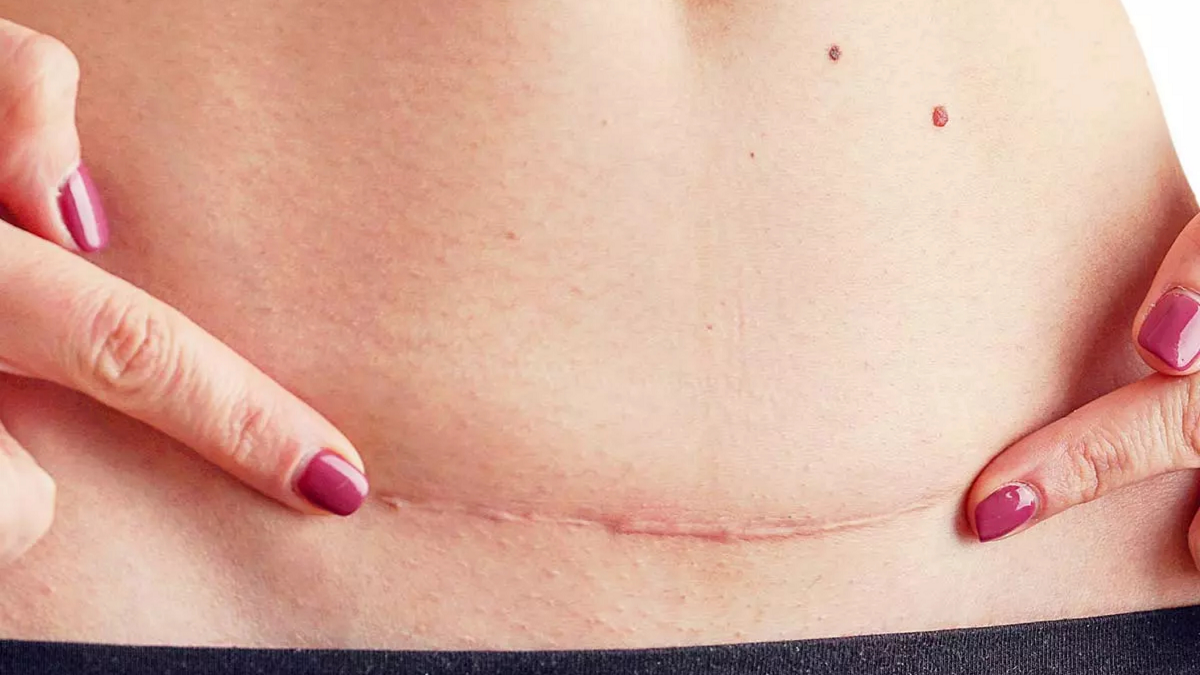
Cesarean sections, also known as C-sections, are surgical procedures that can save the lives of a mother and her baby if a vaginal delivery becomes impossible or is contraindicated. While a C-section is generally safe and risk-free, complications and risks can still arise in rare cases after the surgery.
The most common complication is infection, which may occur at the surgical site incision. C-section scar infection, as the name suggests, is an infection of the skin or tissue near or at the C-section incision site. This complication may cause discomfort and can even be life-threatening if not treated immediately, but the good news is that it is preventable.
If you’re healing from a C-section or have one scheduled, it’s essential to understand what can cause a C-section scar infection, its symptoms, and how to take preventative measures to avoid it.
Today, we’ll discuss C-section scar infections in detail, so keep reading to learn all about it!
What Is a C-Section Scar Infection?
Scar infections after C-sections are common because the procedure involves making an incision on the abdomen to deliver the baby. This exposes deeper tissue and organs to the environment, including air and bacteria. A C-section scar infection happens when bacteria and other germs enter the incision and cause an infection in the tissue or skin of the abdomen.
Infections on the skin surface are usually classified as either superficial incision infections or deep incision infections.
-
Superficial incision infection only affects the skin and the underlying tissue. It mostly occurs within the first few days or weeks after a C-section.
-
Deep incision infection happens when bacteria penetrate the abdominal muscles or other internal tissues. It usually occurs later than superficial infections and can be more severe.
If left untreated, an infection can lead to sepsis, a widespread infection in the body that can be life-threatening and may require hospitalization or even another surgery.
Related: What To Expect In First Period After C-Section
Symptoms of C-Section Scar Infection
In most cases, you will know if your C-section scar is infected, as infections are always accompanied by one or a combination of the following symptoms:
-
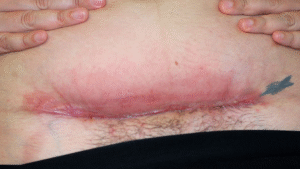
Redness or swelling around the incision site
-
Pain or tenderness around the incision site
-
Discharge or pus from the incision site
-
Fever of 100.4°F (38°C) or higher
-
Opening of the incision site
-
Increased heart rate or difficulty breathing
If you experience any of the above symptoms, you must seek medical attention as soon as possible, as infections can worsen within a short period. Read on to learn about the most common causes of C-section scar infections.
Causes of C-Section Scar Infection
A C-section scar infection is not always caused by the surgery itself, but rather by several factors that can make you more susceptible to it. It could be a condition you have, the surgery, or even the hospital where you gave birth. Below are some common causes of C-section scar infections.
-
Poor hygiene
-
Too much moisture in the incision area
-
Obesity
-
Diabetes
-
Poor nutrition
-
Smoking
-
Prolonged labor or ruptured membranes
Here’s a more in-depth look at the most common causes of C-section scar infections and how they affect your chances of getting one.
Related: Safe Sleeping Positions During the Second Trimester of Pregnancy
1. Poor Hygiene
Poor hygiene is one of the most common causes of C-section scar infections. It’s essential to keep the incision site clean and dry after the surgery to avoid the entry of bacteria into the open wound. You can do this by regularly cleaning the site using mild soap and water, especially during the first week or so after surgery.
2. Excessive Moisture
If your incision site is too moist, it will be more susceptible to bacteria, increasing the risk of C-section scar infection. The area may become moist for several reasons, such as leakage, sweat, or even from a dressing that isn’t dry enough. A dry environment is conducive to healing, so always ensure the area is dry before putting on a dressing or bandage.
3. Obesity
If you are obese or overweight, you are at a higher risk of C-section scar infections. Having extra abdominal tissue causes friction around the incision site, which can irritate the wound and cause infections. Additionally, being overweight reduces blood circulation, limiting your body’s ability to heal and fight infection.
4. Diabetes
Women with either preexisting or gestational diabetes are also more prone to getting infections due to a weaker immune system and poor wound healing. This is because women with diabetes have high blood sugar levels, which can increase the risk of infection.
5. Poor Nutrition
If you are not eating well and lack the required nutrients, you may be at a higher risk of developing a C-section scar infection. Poor nutrition weakens your immune system, making it difficult for your body to fight off bacteria and infections. You should try to eat a nutrient-rich diet, especially those high in proteins, vitamin C, and zinc, which are essential for wound healing.
Related: 15 Foods to Avoid During Pregnancy
6. Smoking
Smoking increases the risk of infections as it not only weakens the immune system but also reduces blood circulation. With a weaker immune system and slower healing due to poor blood circulation, your body will have a more difficult time fighting off C-section scar infection. Quitting smoking, especially if you are pregnant or breastfeeding, is always the best option.
7. Prolonged Labor or Ruptured Membranes
If your labor is too long or your membranes rupture before labor begins, you have a higher risk of developing a C-section scar infection. This is because the risk of infection increases when the protective membrane around the baby is broken before labor.
Related: What Is The Difference Between True and False Labour?
How to Prevent C-Section Scar Infection
As you can see, several factors contribute to the risk of a C-section scar infection, but this doesn’t mean you can’t avoid it. Taking some precautionary measures while still in the hospital and even after you get home is one of the best ways to ensure you don’t get a C-section scar infection. Here are some of the best ways to prevent a C-section scar infection.
-
Practice good hygiene around the incision site
-
Keep the incision site dry
-
Wear loose-fitting clothing
-
Follow your doctor’s post-op care instructions
-
Keep active but don’t overexert yourself
-
Eat a nutrient-rich diet
-
Avoid smoking
Conclusion
In most cases, C-section scar infections are preventable with proper care and attention to detail. By taking the precautions mentioned above and following good hygiene practices, you can greatly reduce the risk of infection and aid faster healing.
However, if you notice any signs or symptoms of an infection, you should contact your healthcare provider immediately for help. Infections can worsen quickly if left untreated.
Be patient as your body heals, and before you know it, you’ll be back to your routine with your newborn baby.
Save the pin for later

- How to Help a Child Deal With Anxiety at Home - September 12, 2026
- How to Prepare Your Child for the First Day of School - September 12, 2026
- Age-Appropriate Chores for Kids by Age Group - September 12, 2026