
Baby kicks, rolls, and wiggles are some of the most reassuring signs of health during pregnancy. Still, there can be days when your baby is resting more than usual or being a little quieter, which can cause you to worry.
If you don’t feel your baby move as often as you expect or for as long as you feel they should, you might be concerned that something is wrong. You are not alone: every expecting mom is taught to monitor fetal movement to ensure a healthy pregnancy, and movement checks are normal.
It is reassuring to know that there are steps you can take at home to try to increase fetal movement before making the trip to the hospital or your doctor’s office to seek medical attention. Try these 7 tips to encourage fetal movement and find out if your baby will respond.
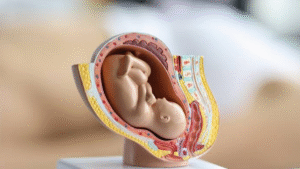
Fetus Not Moving? Try These 7 Tips At Home
1. Lie Down and Relax
The first thing to do if you notice that your baby has reduced movements is to try to relax. This helps you slow your breathing and heart rate down and also helps you concentrate.
Lie on your left side, as this position can also increase blood flow to the placenta, making it easier for your baby to move. Relax, and be patient—your baby may just be taking up more space in your belly or may simply be taking a nap.
Key Tip:
Focus on your baby’s movements—try to avoid other distractions. You can also try playing soft music or talking to your baby to see if they respond to sound.
Related: 15 Fun Ways to Exercise with Baby, Post-Pregnancy
2. Drink Something Cold
Drinking a cold beverage, especially a sweet one like fruit juice, may encourage your baby to move. The sugar in the juice will give your baby a boost of energy, and the coldness of the liquid may help them wake up from a nap.
Many expectant moms have success with this trick—simply drinking something cold. Pour yourself a glass of juice or some ice water and take a few sips before lying back to focus on the movement.
Key Tip:
Avoid drinks that contain caffeine, like coffee or soda, as these may dehydrate you, which is not good for you or your baby.
3. Eat a Snack
A decrease in fetal movement can occur when you are hungry. It is not unusual for your baby to nap during the day while you are up and about doing your daily activities, so if you’ve just finished a big meal and they are still quiet, try having a small snack.
Eat something that contains protein, fiber, and healthy fat, like nuts, yogurt, or whole-grain toast with avocado. These will give you and your baby long-lasting energy and may be all you need for your baby to start moving.
Key Tip:
Try light snacks instead of a large meal, as you may feel tired and sluggish, making it harder for you to feel the movement.
Related: 25 food That Will Increase Your Baby’s Brain Power
4. Change Your Position
If you have been sitting or standing for a while, try lying down on your side. If you have been lying down, try sitting or standing for a while, then gently rocking your hips.
A simple change of position might be all it takes for your baby to get active again. It may also be a favorite position of your baby, and the shifting of your position might help them move around and start moving.
Key Tip:
Try changing positions several times—first lie on your left side, then shift to your right. This will give your baby more room to move around as you switch positions.
5. Play Music or Talk to Your Baby
Research shows that some babies may be responsive to sounds outside the womb. Playing music or talking to your baby might get them to move.
Try gently talking or singing to your baby. You can also try playing soft, calming music. Stick to music that your baby will be familiar with by the time they are born.
Key Tip:
Play some soft music or talk near your belly for several minutes. If your baby does not move, give them some time, then try again after a while.
Related: Can Babies Drink Cold Breast Milk?
6. Do Light Exercise or Stretching
You can also try taking a gentle walk around your house or doing some light stretching if you are worried about the lack of movement. Exercise can help get your blood flowing, and this can encourage your baby to move as well.
The movement can help wake your baby up and get them moving again. Just don’t overdo it, and remember that your goal is to help encourage your baby to move without endangering you both.
Key Tip:
Gentle walking or stretching may increase the flow of oxygen to your baby, which can also get them to start moving.
7. Focus on Baby’s Usual Activity Time
Babies have different patterns of movement, and you may have already noticed when they are usually the most active. For instance, if your baby is usually active during the day, the lack of movement may be because they are napping.
Remember that a sudden decrease in movement could be because your baby is sleeping, and a nap will be enough to get your baby moving again. Contact your doctor if you are still concerned after waiting for a while.
Key Tip:
Track your baby’s regular activity patterns over a few days. Then, if their activity changes or you notice a sudden decrease in movement, get in touch with your doctor for peace of mind.
Related: Crying During Pregnancy: This Is How It Affects the Baby
When to Contact Your Doctor
Contact your doctor if you have tried the above steps and nothing seems to work. You should also contact your doctor if you notice a sudden drop in fetal movement or if the baby has not moved for a long time.
A drop in activity or the complete absence of movement for a few hours or days can indicate a problem. There are many causes for a decrease in fetal movement, many of which are not an issue, but others could indicate fetal distress or placental problems.
Talk to your doctor if you are still concerned and see if you can get a non-stress test (NST) or an ultrasound to check on your baby’s well-being.
Conclusion
Fetal movement is a reassuring indicator of health for the baby in your belly. Still, it is not uncommon for your baby to take long naps or rest for long periods in between active times.
If you are concerned about a decrease in fetal movement, the first step to take is trying the tips above. Drinking a cold beverage, taking a short walk, or eating a small snack can help encourage your baby to move.
Trust your instincts and do not be afraid to contact your doctor if you are worried that your baby is not moving. By staying calm, you will be doing your baby the best favor by giving them a chance to develop a healthy routine.
Pregnancy is full of surprises and little worries, but being prepared for every eventuality will help you feel more in control of your care and that of your baby. Stay informed and never hesitate to ask your healthcare provider if you have concerns!
Save the pin for later


- 8 Noticeable Symptoms of a Baby Boy During Pregnancy - November 8, 2025
- 10 Little Things You Should Not Do To Your Breasts - November 6, 2025
- 20 Things A C-Section Mom Should Avoid - November 5, 2025