
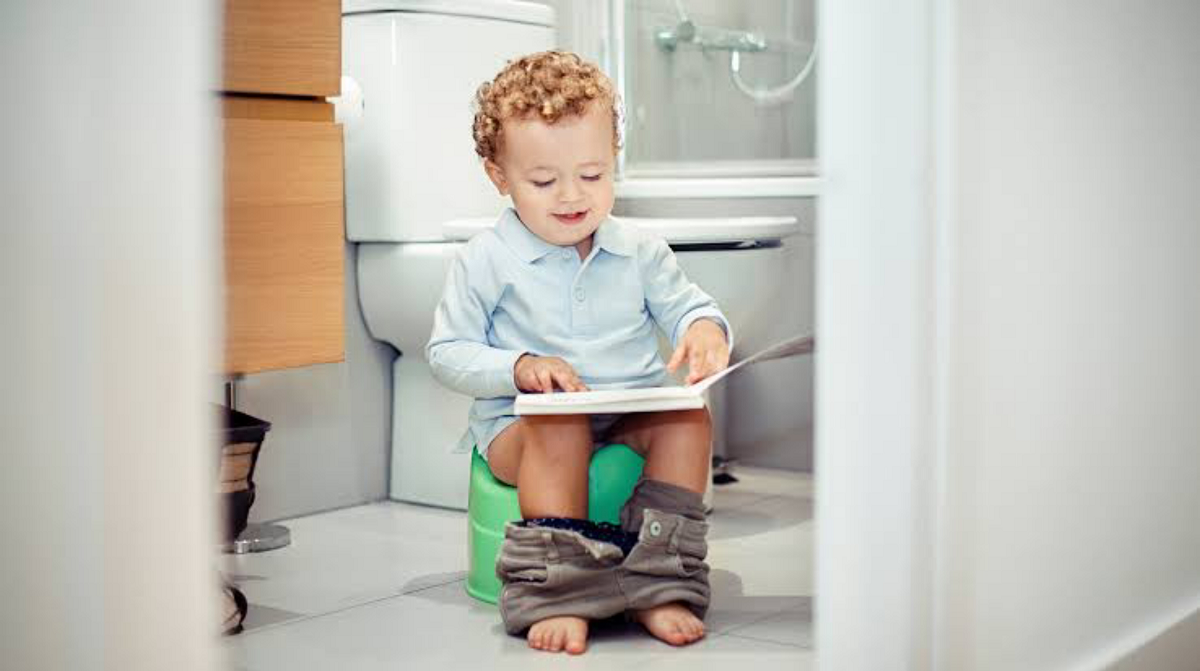
Helping your three-year-old use the potty for pooping can be a daunting challenge for both of you. Many toddlers can manage peeing after their first birthdays, but poop is a different story! It can take time, patience, and a lot of effort before a child overcomes fear and learns to do #2 on the potty.
At [Your Expert Source], we work with hundreds of families who face this problem, and we want you to know that it can get better—with time and the right approach.
Why Your Child Refuses to Poop on the Potty
Pooping on the potty is a big deal for a toddler and may take longer to learn than peeing. There are several reasons why your child might refuse to poop on the potty, including:
1. Fear or Anxiety
Toddlers have a natural fear of the unknown and may be afraid of the big toilet, the sensation of pooping, or falling in. The sound of flushing can also be a deterrent.
2. Previous Negative Experience
If your toddler has had an unpleasant bowel movement, experienced constipation, or was scolded for an accident, they may be scared of pooping in the potty.
3. Desire for Control
As toddlers are developing independence, they may see pooping on the potty as one of the few things they can control and refuse in order to exert some power.
4. Physical or Medical Issues
Constipation, gas, tummy aches, or other gastrointestinal issues can make pooping painful, causing children to avoid the potty.
5. Distraction or Timing
Many toddlers are simply engrossed in playing, watching TV, or doing their favorite activity and don’t want to stop long enough to sit on the potty.
Related: 10 Benefits of Co-Sleeping with Your Baby
What Can I Do To Help My Child Poop on the Potty?
As a parent, you want your toddler to master toilet training as quickly as possible. However, forcing or rushing the process can backfire, so it’s important to be patient, understanding, and try some of the following strategies:
1. Make the Potty Comfortable and Relaxing
A comfortable and inviting potty setup can make a big difference.
-
Make sure your child’s potty chair feels stable and secure.
-
Use a footrest or small stool so their feet are supported. This helps them push naturally without straining.
-
Let them decorate the potty or bathroom to make it more fun and less intimidating.
Related:5 Ways to Help Your Kids Listen
2. Offer Gentle Encouragement
Constant scolding, punishment, or shaming about accidents or refusal can increase fear.
-
Praise the attempt, not the outcome: “I’m so proud of you for trying to sit on the potty.”
-
Avoid scolding for accidents—they are normal.
-
Use positive, neutral language about the potty and pooping.
Related: How To Make Your Toddler Poop
3. Establish a Routine
Kids thrive on routine, so consistent potty habits and expectations can help.
-
Regular potty breaks at certain times of the day can cue your child to try to poop.
-
Have them sit on the potty after meals—the gastrocolic reflex helps bowel movements occur after eating.
-
Use the same potty cues each time: a special song, book, or routine that signals potty time.
-
Give gentle reminders, but no nagging.
Related:7 Signs You’re Overfeeding Your Baby
4. Address Constipation
One of the main reasons for a three-year-old not wanting to poop on the potty is constipation.
-
Increase fiber intake with fruits, vegetables, and whole grains.
-
Ensure your toddler drinks plenty of water to stay hydrated.
-
Consult a pediatrician if constipation persists, if bowel movements are painful, or if potty training isn’t progressing.
Related: How to Make Your Kids Mentally Strong
5. Use Incentives
Younger children respond well to immediate rewards, especially when learning a new skill.
-
Use sticker charts and give a sticker for each successful potty attempt or bowel movement.
-
Praise, hugs, and high-fives reinforce progress.
-
Try a small treat for consistent success, such as an extra bedtime story, special toy, or fun activity.
6. Reduce Stress and Anxiety
Children pick up on our emotions, so if we’re stressed, they are too!
-
Teach your toddler deep breathing or “blow bubbles” exercises while on the potty.
-
Play soothing music or read a favorite book to create a relaxing atmosphere.
-
Give them time—don’t rush or pressure them to poop.
7. Make Pooping on the Potty Fun
Games, positive reinforcement, and rewards can turn potty training from fear to play.
-
Read potty-themed books or watch short educational videos.
-
Encourage pretend play, like letting a favorite stuffed animal “try” the potty first.
-
Use playful encouragement instead of a stern lecture or tone.
Related:10 Ways to Keep Your Baby’s Skin Healthy
8. Normalize Bowel Movements and Lead by Example
Kids learn a lot by observing others.
-
If comfortable, let your toddler watch an older sibling or parent use the toilet.
-
Talk about body functions and toilet training in a positive, matter-of-fact way.
-
This reduces stigma, eases anxiety, and helps them feel more confident.
9. Be Patient and Keep Trying
Potty training is not a race—every child develops at their own pace.
-
Accept accidents and setbacks as part of the process.
-
Focus on small milestones: even sitting on the potty is progress.
-
Avoid comparing your child to siblings or peers.
-
Seek help from a pediatrician or child specialist if your toddler consistently refuses or if you suspect a medical issue.
Tips for Parents
-
Stay calm, no matter how frustrating things become. Stress can increase your toddler’s anxiety.
-
Maintain consistency across all caregivers, including daycare, grandparents, or babysitters.
-
Celebrate small successes—praise and encouragement build confidence.
-
Never punish accidents or refusal—it only makes children more fearful.
Bottom Line
Training your toddler to poop on the potty takes time, patience, and trial and error. Every child is different, so avoid comparisons and accept setbacks as normal.
The key is to keep your child emotionally comfortable, maintain a consistent routine, and ensure there are no physical issues like constipation causing pain.
With empathy, positive reinforcement, and patience, your child will gradually relax, gain confidence, and learn to poop on the potty, turning this milestone into a positive and empowering experience for both of you.
Save the pin for later


- How to Help a Child Deal With Anxiety at Home - September 12, 2026
- How to Prepare Your Child for the First Day of School - September 12, 2026
- Age-Appropriate Chores for Kids by Age Group - September 12, 2026