
As parenting experts, we know that each family’s journey is different. When it comes to having babies close in age, however, there are some common experiences that all parents of young children will likely face at some point.
If you’re just learning that you’re expecting another baby after only a short time since having your first, or if you already have two babies 18 months apart, you’re probably wondering what it’s like. Is it as bad as it seems? Will they get along? How do you manage two little ones at the same time?
Today, we will walk you through what it’s really like having babies 18 months apart. From sleepless nights to precious moments of sibling bonding, we’ll cover everything you need to know about this unique parenting experience.
Whether you’re planning on having another baby close in age or you’re already in the thick of it, this article will provide the information you need to better understand what to expect and how to make it work for your family.
The Immediate Impact
Having a baby 18 months apart means that your firstborn will still be a toddler when the second one arrives.
This transition can be both incredibly rewarding and surprisingly difficult. Your first child will still be in the midst of their own developmental milestones—learning to talk, walk, and assert their independence—while also trying to adjust to the arrival of a new sibling.
Sleep Deprivation
One of the most significant challenges that parents face when having babies so close together is the inevitable sleep deprivation. When your firstborn is still waking up at night for comfort or a bottle, and your newborn has their own nighttime needs (diaper changes, feedings), it can feel like you’re getting no rest at all.
Sleep deprivation is a normal part of parenthood at any stage, but having two babies 18 months apart means that you’re essentially juggling two different sleep schedules. If your toddler is still not sleeping through the night and your newborn is waking every few hours for feedings, you may feel like you’re constantly living in survival mode.
Pro tip: Don’t be afraid to ask for help! Whether it’s from a family member, friend, or professional caregiver, having two little ones and maintaining your sanity is a team effort.
Related: What Your Baby’s Birth Weight Tells You
The Sibling Dynamic
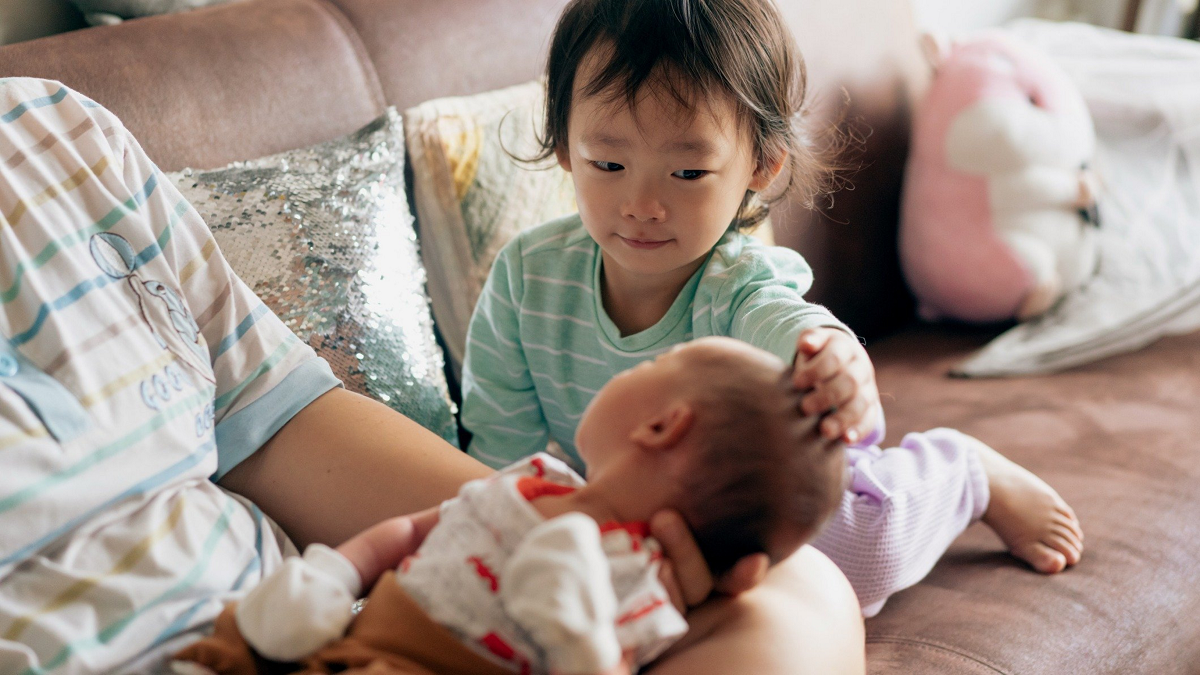
Despite the challenges, one of the most beautiful things about having babies so close in age is watching the sibling bond develop from such an early age. While they may not be able to play together in the traditional sense right away, you will quickly see their bond grow over time.
Toddlers and Babies
In the early stages, your toddler may have a lot of mixed emotions about the new addition to the family.
They may feel jealous, possessive of you, or unsure about sharing your attention. It’s normal for toddlers to act out or regress in certain areas when a new sibling arrives, but it’s important to validate their feelings and reassure them that they are loved and valued.
As your newborn grows and starts interacting more, your toddler will begin to see them as a playmate.
They will start including the baby in their games, share their toys (sometimes), and even comfort them when they cry. The dynamic between siblings can be incredibly sweet, especially as they get older and develop a shared language and understanding of each other.
Related: 15 Fun Ways to Exercise with Baby, Post-Pregnancy
The Benefits of Having Siblings So Close in Age
Children who are close in age tend to learn how to share, take turns, and build empathy earlier. Your toddler may pick up on the fact that their baby sibling needs a lot of care and attention, and that can help foster a sense of responsibility and kindness. Plus, they’re likely to develop an incredibly strong bond that will last them through childhood and into adulthood.
The Toddler Stage
While your newborn will require a lot of your attention, your toddler is also going through significant developmental changes. The 18-24 month period is a time of rapid growth for your toddler, with new words being learned, increased independence, and testing of boundaries.
As a parent, you will have to balance the needs of a baby who requires constant care with the needs of a toddler who is exploring the world around them and pushing limits.
Related: 5 Signs Your Baby Is Ready To Stop Napping
Time and Attention for Both
One of the most difficult aspects of having babies 18 months apart is finding the time and energy to give both of your children the attention they need.
Your newborn may require frequent feedings, diaper changes, and naps, while your toddler may need attention for playtime, potty training, or emotional support.
It’s important to set realistic expectations for yourself during this time. You won’t always be able to give both kids your full, undivided attention, and that’s okay.
It’s about finding a balance and knowing that you’re doing your best. Routine is key—keeping a consistent daily schedule for both children can help them feel more secure, even if they don’t get 100% of your attention every second.
Managing Tantrums and Emotional Needs
Having two children with different emotional needs can be overwhelming at times. Your toddler may throw tantrums when they feel neglected or overlooked, while your newborn is completely dependent on you for comfort and care.
As much as it can be difficult, it’s essential to stay calm, acknowledge your toddler’s feelings, and reassure them that you’re still there for them.
Some strategies for managing the emotional needs of both your children include:
-
Positive reinforcement: Reward your toddler for good behavior, and offer praise when they show affection toward their sibling.
-
One-on-one time: Try to carve out moments where you can focus on your toddler, even if it’s just for a short while, to help them feel special and connected to you.
-
Set boundaries with love: Toddlers are learning limits, and it’s important to establish clear boundaries with gentle but firm guidance.
Related: 100 Fun Things to Do With Kids
Finding Time for Yourself
Another aspect of having babies 18 months apart that many parents tend to overlook is the need for self-care.
With a newborn and a toddler, you’re constantly on the go—between feedings, diaper changes, and managing a toddler’s growing needs, it can feel like there’s no time for yourself. However, self-care is crucial not just for your physical well-being but for your mental health as well.
How to Make Time for Yourself
Finding time for yourself can be a challenge, but it’s essential for staying balanced and present as a parent. Here are a few tips to help you find those precious moments of self-care:
-
Ask for help: Whether it’s your partner, a family member, or a friend, asking for help can give you the time you need to rest, exercise, or engage in a hobby you enjoy.
-
Utilize nap time: While your baby naps, take a few minutes to connect with your toddler. This can also be an excellent time to recharge with a cup of tea or a moment of quiet.
-
Set boundaries: If possible, create a space where you can have moments of solitude, even if it’s just for five or ten minutes.
Related: How To Create a Bedtime Routine for Your Toddler
The Beautiful Chaos
At the end of the day, having babies 18 months apart is a whirlwind of emotions, challenges, and joyful moments.
There will be days when you feel overwhelmed by the constant demands of caring for two young children, and there will be days when you’re amazed at how beautifully they interact and love one another.
The beauty of this experience lies in the bond you’re building with both of your children. You’ll witness them grow together, learn from each other, and share special memories that only siblings so close in age can understand. And although the journey may be exhausting, it will also be one of the most rewarding experiences of your life.
Final Thoughts
Having babies 18 months apart can come with its fair share of challenges, but it also brings incredible rewards.
From the close sibling bond to the milestones you’ll witness together, it’s a unique experience that will shape your family in beautiful ways.
While it may feel overwhelming at times, remember that you’re not alone—many parents are navigating this journey, and with a little patience, love, and flexibility, you’ll thrive as a family of two little ones under two.
If you’re currently experiencing it or considering it, we would love to hear your thoughts, tips, or questions in the comments below. Here’s to celebrating the joys and challenges of raising two little ones so close in age!
Save the pin for later


- Dry Cough in Kids: 5 Causes and Safe Solutions - September 23, 2026
- How to Help a Child Deal With Anxiety at Home - September 12, 2026
- How to Prepare Your Child for the First Day of School - September 12, 2026