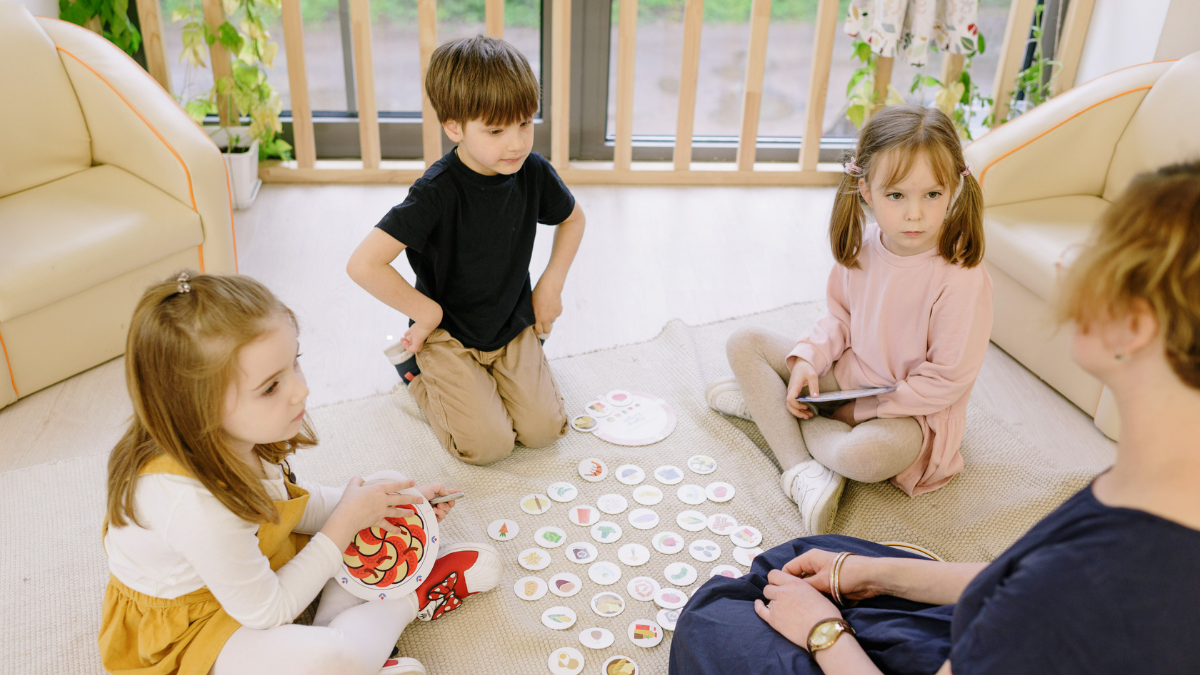
Children are always learning and testing out their world to see how things work. Parents, caregivers, and teachers will all deal with children at some point in their lives who display worrying or disruptive behaviors. These can range from the understandable antics of an over-excited toddler to a teenager whose disrespect has parents at their wits’ end.
Bad behavior can be frustrating, and it’s even worse when it becomes a regular problem. If your child is repeating bad behavior, like constant tantrums, ignoring your requests, or being disrespectful, you need to know how to break the cycle. This will help you get your child back on track and reduce the chances of bad behavior in the future.

How to Stop a Child from Repeating Bad Behavior.
1. Understand the Root Cause of the Behavior
Bad behavior, like any other behavior, usually has a purpose for the child. Figuring out what that purpose is, is an essential step toward correcting the bad behavior and replacing it with better choices. There can be a range of reasons why your child keeps repeating bad behavior:
-
Attention-Seeking: One of the main reasons for children’s bad behavior is that they are seeking attention from you. If you don’t show them enough attention, or they don’t get positive attention for good behavior, they may resort to bad behavior to get some sort of reaction.
-
Copying Others: A child may also be repeating bad behavior if they are copying other people around them. This can be you, an older sibling, or a family friend.
-
Frustration: Bad behavior may also be a child’s response to a frustrating or stressful situation. This can be at home, at school, or with friends and siblings.
-
Developmental Stages: It’s important to also keep in mind that certain bad behaviors are to be expected of a child at certain ages. Toddlers, for instance, have a terrible habit of testing boundaries. Teenagers, on the other hand, like to push against boundaries, and sometimes being difficult is just them asserting their independence.
-
Lack of Communication: A child, especially younger children, may not have the communication skills necessary to get their message across. Instead of using words, they may revert to bad behavior to express their needs and emotions.
Related: How to Discipline an 18 Month Old
2. Stay Calm and Don’t React in Anger
It is an understandable reaction to want to shout, punish, or scold your child when they are repeating bad behavior.
However, it’s usually not a productive one. When you react with anger, it can confuse your child and make things worse. Instead, the best way to get your child to stop repeating bad behavior is to remain calm and in control of the situation.
-
Breathe Deeply: When you are tempted to react angrily to your child’s bad behavior, take a deep breath to cool off and calm down.
-
Lead by Example: If you can remain in control and show your child how to control their own emotions, they will learn.
-
Don’t Engage: The more you respond angrily, the more back and forth it can become. This can make your child more defiant, which leads to even more bad behavior.
Related: How to Raise Godly Children
3. Set Clear, Consistent Boundaries
Children need to know what behavior is expected of them, and also what the consequences are for acting out or being bad. It is essential to set clear and consistent boundaries that your child can easily understand and follow.
-
Establish Rules: Make sure your child knows the rules of the house, and what behaviors are considered bad and what behaviors are good.
-
Be Consistent: A child must know that your boundaries are absolute. If you tell your child no when they want to do something, and yes the next day, this can make your child uncertain of your boundaries, and they will continue to test you.
-
Positive Reinforcement: Children are much more likely to follow your rules and make the right choices if they know it will lead to praise and rewards. Make sure to also offer plenty of positive reinforcement when your child is repeating good behavior.
Related: 15 Signs of Bad Parenting
4. Offer Clear Consequences
Giving your child a clear and understandable consequence for bad behavior is a key part of getting them to stop it.
The consequence you choose should be age-appropriate, and it should fit the severity of the bad behavior. However, try to choose from one of two categories of consequences:
-
Natural Consequences: These are consequences that are allowed to take their natural course as a direct result of your child’s bad behavior. For example, a child who refuses to wear a coat on a cold day will be cold and will eventually put the coat on.
-
Logical Consequences: This type of consequence is created by you, but is related to the original bad behavior. A child who refuses to do their homework, for example, could be punished by having their screen time revoked until they finish their homework.
-
Ensure Fairness: The consequences you offer should be related to the severity of the bad behavior. Offer a fair, but proportionate consequence for bad behavior.
Related: How To Make Your Kids Feel Loved
5. Teach Problem-Solving and Coping Skills
In addition to punishing your child for bad behavior, it is important that you teach them better ways to express themselves and deal with their frustrations.
Children who are unable to solve their own problems or voice their own feelings in an appropriate way will be more likely to repeat bad behavior.
-
Lead by Example: If your child is frustrated, model positive problem-solving behavior by walking them through a process. “I know you’re upset because you can’t find your toy. Let’s see if we can find it together.”
-
Coping Strategies: Help your child learn to identify their feelings, and also provide them with ways to calm down and better express their emotions. This can be in the form of deep breathing exercises or even a “calm-down corner” for younger children to go to when they are feeling overwhelmed.
-
Encourage Communication: Don’t just tell your child to calm down or behave. Instead, help them learn to use their words to better communicate their needs or their frustration. Phrases like “I’m upset because…” or “I need help with…” can help your child learn how to communicate better.
6. Praise Positive Behavior
While you should definitely correct bad behavior, it is just as important to provide positive reinforcement for good behavior.
When your child knows that they will get praise and rewards for making good choices, they are far less likely to turn to bad behavior.
-
Catch Them Being Good: It is important that you don’t just focus on your child’s bad behavior. Instead, try to look out for positive behavior, and also reward it.
-
Provide Rewards: Depending on your child’s age, you may want to include more tangible rewards into the system. For example, you can provide a child with extra playtime for cleaning up their toys or a small treat for doing their chores.
-
Praise Effort, Not Just Outcome: In order to build your child’s confidence and encourage them to make good choices, you should also provide praise even if their efforts were not perfect. This can help them realize that if they work hard, they will get positive results.
7. Avoid Over-Punishing or Over-Rewarding
While you should correct bad behavior, you should be careful not to overdo it. Punishments that are too harsh can make your child feel attacked and unloved, while rewards that are too generous will only make your child entitled.
-
Strike a Balance: This is true of rewards and punishments, but also of setting clear rules and being flexible at times. For example, you may want to stick to your no sweets rule in most situations but be flexible on special occasions.
-
Don’t Overwhelm: It can be easy to feel the need to punish or correct your child for every little thing. Try to avoid overwhelming your child with too many corrections and commands. This can lead to your child ignoring you or rebelling against you altogether.
8. Be Patient and Give It Time
Bad behavior is not going to stop overnight, and the child will not learn new ways of dealing with their problems instantly.
Be patient and understand that this is a process that may take some time. Children are unique and learn things at different paces. If you remain invested in your child’s process and offer a calm and supportive environment, you will be able to stop your child from repeating bad behavior.
-
Have Patience with Yourself: Parenting is never easy, and you will not always make the right decision or find the right solution. Try to cut yourself some slack, and know that you are doing the best that you can.
-
Accept the Process: The process may not be a linear one, and your child may sometimes revert to bad behavior even after progress has been made. Do not despair or get frustrated if you feel that nothing is working. Slow and steady progress is still progress.
9. Seek Professional Help if Needed
If all else fails, you can try to get your child professional help with their bad behavior. A child therapist can help you identify any underlying problems with your child, as well as offering solutions and strategies to deal with bad behavior.
-
Behavioral Therapy: A child therapist can work one-on-one with your child, as well as working with you. Behavioral therapy is a type of therapy focused on helping your child change their bad behavior for better ones.
-
Family Therapy: Your child’s bad behavior could be a product of some larger issues in the family unit. Family therapy can work to improve family relationships and dynamics, as well as helping your child open up about their issues.
Conclusion
Stopping a child from repeating bad behavior is something every parent or caregiver will have to deal with at some point.
Bad behavior can be frustrating, and even more so when it is repeated on a regular basis. The key to getting your child to stop bad behavior and make better choices is to remain calm, set clear boundaries and expectations, and also offer plenty of praise for positive behavior.
It is also important that you don’t just punish bad behavior but also help your child learn to express their emotions and frustrations in a more appropriate way.
Every child is different and will take time to learn, so patience is key. By remaining consistent and dedicated to helping your child, you’ll have them on the path to good behavior in no time.
Save the pin for later

- How to Help a Child Deal With Anxiety at Home - September 12, 2026
- How to Prepare Your Child for the First Day of School - September 12, 2026
- Age-Appropriate Chores for Kids by Age Group - September 12, 2026