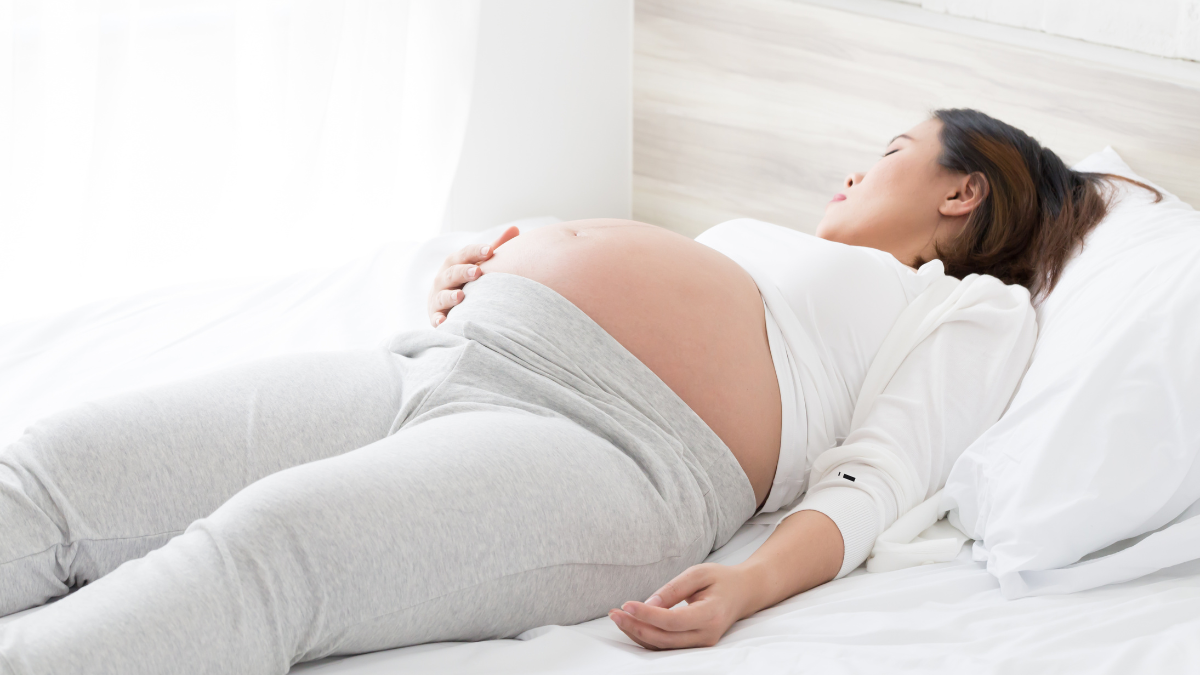

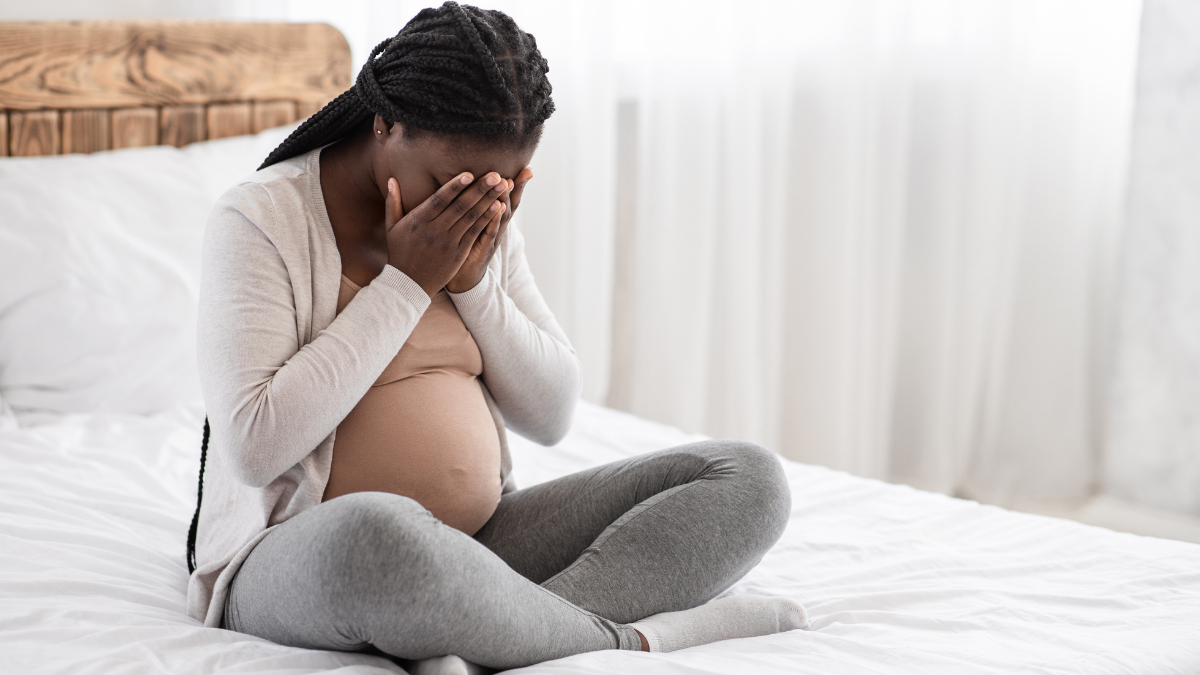
Pregnancy is a wonderful yet exhausting time, where you can feel every emotion on the spectrum, from unadulterated joy to utter exhaustion, in just a few short months. Pregnancy brings many changes, both physically and emotionally.
For most women, it’s not unusual to find yourself crying more than usual during pregnancy or even sobbing unexpectedly over nothing at all.
Stress, hormonal fluctuations, and the sheer overwhelm of becoming a parent are enough to trigger the waterworks every so often, but what does all that crying do to the baby? How does crying affect your baby during pregnancy?
Crying is a natural response to emotions, and pregnancy, in particular, can trigger a range of feelings. Hormonal changes, physical discomfort, and the emotional rollercoaster of preparing for a new life all contribute to heightened emotions.
Crying is one way our bodies and minds express and release those emotions. But while crying is a natural and healthy response, it’s crucial to understand its potential impact on the baby and how to manage overwhelming emotions during pregnancy.
Why Do I Cry So Much During Pregnancy?
As we just mentioned, pregnancy is a big time of emotional, physical, and psychological change for the human body, so it’s not surprising that crying is a common response.
In fact, there are several reasons why women cry during pregnancy. Here’s a rundown of some of the top reasons why you might be crying during pregnancy:
1. Hormonal Changes
Pregnancy is a time of major hormonal fluctuations for the body. These changes can impact a pregnant woman’s mood and emotional regulation, leading to increased sensitivity and emotional reactivity. As hormones like estrogen and progesterone rise and fall, they can create a whirlwind of emotions that sometimes result in crying.
Related: What Is Food Cravings During Pregnancy?
2. Stress and Anxiety
Pregnancy often brings stress about the future. It can be anything from worrying about the baby’s health or financial strain to anxiety about labor and delivery. Expectant mothers might find themselves crying when the pressure mounts, as these stressors can trigger emotional responses.
3. Physical Discomfort
Physical changes and discomfort during pregnancy can also contribute to crying. Morning sickness, fatigue, back pain, and bloating can all add to a woman’s emotional stress. The discomfort or frustration from these physical changes can lead to tears.
Related: 10 Types of Housework Pregnant Women Should Avoid
4. Emotional Adjustment
Preparing for motherhood is a significant emotional transition. Pregnant women may cry as they process the overwhelming emotions of becoming a parent. Fear of the unknown, feeling overwhelmed by new responsibilities, or simply being deeply moved by the journey can all lead to crying.
5. Relationship Changes
Pregnancy often brings about changes in relationships, whether with a partner, family, or friends. Navigating these changes and the emotions they bring can lead to crying as you adjust to a new family dynamic.
6. External Stressors
Life events, relationship changes, work pressure, or even exhaustion can contribute to crying during pregnancy. Stress and emotional changes during pregnancy are normal, but it’s important to recognize that these emotions are valid and need to be addressed.
How Does Crying Affect the Baby?
Crying in and of itself doesn’t have any adverse effects on the baby during pregnancy. However, the emotions that underlie and cause us to cry can sometimes impact our physical and mental state, which may, in turn, have an effect on the pregnancy. Here’s a breakdown of how crying during pregnancy can impact the baby:
1. Stress and Cortisol Levels
If you find yourself crying because you’re experiencing emotional distress during pregnancy, this could increase your cortisol levels in the body.
Cortisol is the stress hormone our bodies release as part of our “fight or flight” reaction during a time of stress or danger. This hormone is important because it helps us remain focused and calm during stressful situations. However, too much cortisol can be harmful.
If you’re producing high levels of cortisol during pregnancy, it can have adverse effects on your baby. Prolonged or high levels of maternal stress and, therefore, cortisol during pregnancy can have potential developmental effects on the baby, including:
-
Premature Birth: Premature birth occurs when a baby is born before 37 weeks of pregnancy. If a mother is producing high levels of cortisol during pregnancy, it increases the risk of the baby being born prematurely.
-
Low Birth Weight: Maternal cortisol during pregnancy can affect fetal growth and development, leading to low birth weight. Babies with low birth weight are more susceptible to infections and may face developmental delays.
-
Behavioral Problems: Research suggests that babies who were exposed to high levels of stress during pregnancy may develop behavioral issues later in childhood. They may also face issues like anxiety and attention-deficit hyperactivity disorder (ADHD).
-
Trouble Regulating Emotions: Infants and young children are not able to regulate their emotions and are dependent on their mother for help and comfort. When a baby is frequently exposed to high levels of maternal cortisol, it can make it difficult for the baby to regulate their emotions as they develop.
While occasional crying isn’t likely to be harmful to your baby, it’s important to understand that long-term or chronic stress and emotional distress can have effects on both mother and child.
Related: Safe Sleeping Positions During the Second Trimester of Pregnancy
2. Heart Rate and Blood Pressure
When we cry, our heart rate often increases, and we can experience a spike in our blood pressure.
This reaction to crying is not necessarily harmful to us as long as the increase in heart rate and blood pressure is temporary and the body can regulate back to normal on its own.
However, prolonged or chronic emotional distress can result in sustained high blood pressure and increased heart rate, which is more likely to increase the risk of pregnancy complications like preeclampsia or gestational hypertension.
Maternal hypertension can lead to reduced blood flow to the placenta, which, in turn, reduces the nutrients and oxygen that are supplied to the baby. This can lead to reduced growth in the womb and increase the risk of other pregnancy complications.
3. Emotional Bonding and Stressful Emotions
The mother’s emotional state during pregnancy can have a significant impact on the emotional bonding process between mother and baby, even before the child is born.
Stress, depression, and anxiety can interfere with the emotional connection the mother feels with her unborn child. Stressful emotions such as anxiety and depression can also impact the mother’s mental and emotional health during pregnancy.
The stressful emotions we feel as part of the human experience are known to have a strong effect on our mental and emotional health.
When we become pregnant, our ability to handle these stressful emotions is somewhat reduced, meaning they are more likely to have a strong effect on the mother.
If a pregnant mother experiences stress, depression, or anxiety, it may lead to the mother finding it harder to bond with her baby and respond to the baby’s needs post-partum.
Related: What Is The Difference Between True and False Labour?
Ways to Cope with Emotional Ups and Downs
Crying and emotional ups and downs during pregnancy are perfectly normal. However, if you’re concerned about the impact your emotions are having on your physical health and, therefore, pregnancy, it’s important to find ways to manage those emotions so you can have a healthy, happy pregnancy. Here are some of our top tips for managing your emotional health during pregnancy:
1. Talk to Someone You Trust
Sharing your feelings with someone you trust is a great way to help you process and manage difficult emotions. Talking to your partner, friend, or therapist is a great way to manage stress and release some of the emotional tension you’re feeling. Having a strong support network during pregnancy is really important, so don’t be afraid to reach out to the people in your life who will listen to you.
2. Practice Relaxation Techniques
Practicing deep breathing, meditation, or prenatal yoga are all excellent ways to help reduce stress levels and keep your emotions in check. Relaxation techniques can be great for the body and the mind. Practicing relaxation techniques during pregnancy helps to calm your body and your mind, reducing your cortisol levels and contributing to more stable emotions.
3. Exercise and Stay Active
Physical activity is a great way to help manage stress and deal with the symptoms of stress and anxiety during pregnancy.
Exercise during pregnancy is a great way to help boost your mood and helps release endorphins, the “feel-good” hormones produced by our bodies. Keeping active and exercising during pregnancy will also help with many of the other physical discomforts associated with pregnancy, like bloating or constipation, and helps improve your sleep, which is also important during pregnancy.
4. Take Care of Your Physical Health
Physical stressors during pregnancy like fatigue, physical discomfort, and back pain can all add to the feelings of stress and overwhelm that result in crying.
Taking care of your physical health during pregnancy is an important part of managing your emotional health. Make sure you’re eating well, staying hydrated, and getting enough rest to allow your body to recover from the stresses of the day.
5. Speak to a Professional if Needed
If you feel as though your crying and emotional distress are starting to have an impact on your day-to-day life, or if you feel as though you just can’t cope with the emotions you’re feeling, it’s important that you speak to a professional.
A therapist or counselor will be able to provide you with additional support and give you more options for ways to manage your mental and emotional health during pregnancy.
Conclusion
Crying during pregnancy is a natural and common response to the many physical and emotional changes that happen during this time.
While it is typically harmless, it’s important to be aware of how stress and emotional distress can affect both the mother and the baby.
Prolonged or excessive stress during pregnancy can have implications for the baby’s development. The key is to find healthy ways to manage and express your emotions during this time.
Pregnancy is a period of intense change, but taking care of your emotional and physical well-being will help ensure both you and your baby remain healthy and well-supported throughout this life-changing journey.
Save pin for later


- How to Help a Child Deal With Anxiety at Home - September 12, 2026
- How to Prepare Your Child for the First Day of School - September 12, 2026
- Age-Appropriate Chores for Kids by Age Group - September 12, 2026