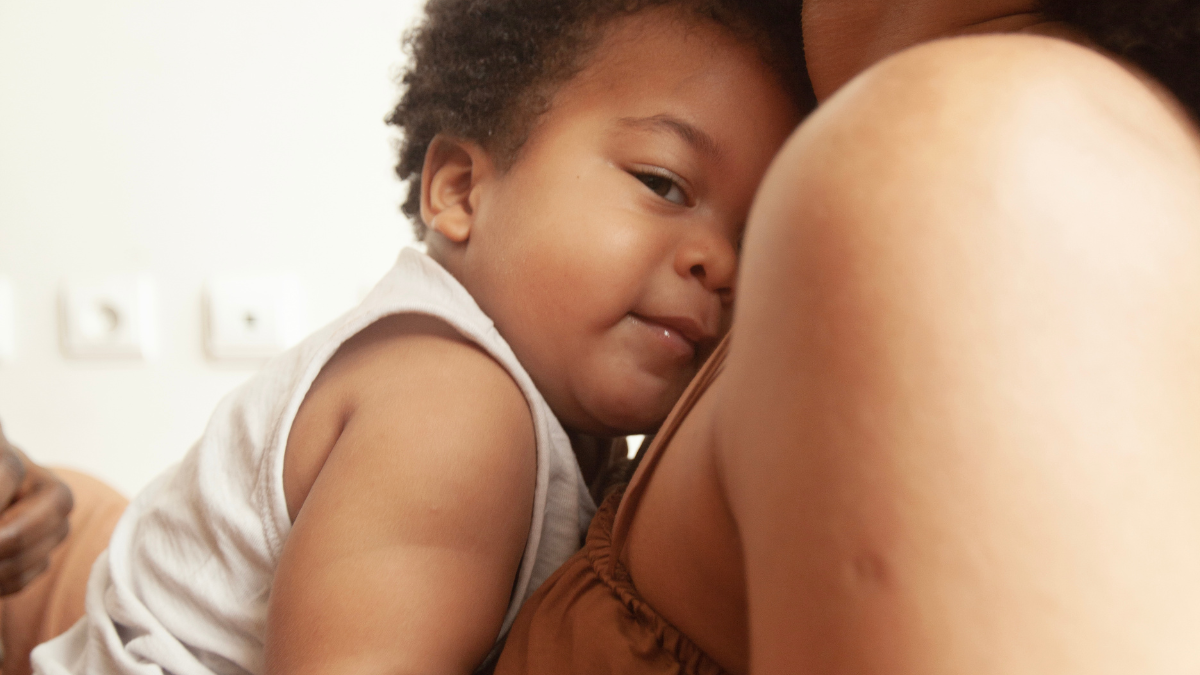
As parents, we know how challenging it can be when our babies become clingy. That constant need for attention, the refusal to be put down, and the desperate cries when we leave the room can feel overwhelming.
But rest assured, it’s a phase many babies go through, and understanding how to manage it can help both you and your little one navigate these tricky moments.

Tips on What to Do About a Clingy Baby
We all know that feeling. You’re finally ready to take a shower or do something by yourself for a few minutes, and suddenly, you have a clingy baby in your arms. It can be both frustrating and heartbreaking for them to need you all the time and not want to be left alone.
Having worked with hundreds of children, we understand how challenging it is when your little one is clingy. That’s why we’ve put together this list of tips on how to deal with clingy babies so that both you and your little one can navigate this time with less stress.
1. Create a Routine
A daily routine can provide your baby with the stability they need to know that, even though you have to leave them sometimes, everything will be alright.
It can help if you feed, play, and put your baby down at roughly the same time every day. This will establish a routine that eventually becomes second nature to them. Once this happens, your baby will begin to trust that when you leave, they will always come back.
Related : How to Help Your Baby Sleep Better
2. Try Gradual Separation
Separation anxiety is common in babies around 8 months old and can continue well into toddlerhood. As a parent, it can feel agonizing when your child cries the second you walk out of the room. However, with time, they will become used to being apart from you.
Try leaving your baby for a few seconds at a time and gradually increase the amount of time you’re gone over several days or weeks until your little one becomes accustomed to being without you.
It’s important that you keep these separations low-key by calmly walking out of the room without making a fuss about it. Otherwise, it will only serve to exacerbate their anxiety.
3. Use Comfort Items to Help with Security
Comfort objects like a soft toy, blanket, or another familiar item can help give your baby something to cling to when they are anxious or clingy. These familiar objects also reassure them that everything is okay and remind them of the people who love them.
Encourage your baby to associate their comfort item with pleasant times like nap time or bedtime. This will give them a sense of security when you’re not around.
Related : 10 Ways to Train Your Baby to Sit
4. Help Your Baby Learn to Self-Soothe
This may be tough for you as parents, but try not to pick up your baby every time they cry. Instead, allow them to learn how to fall asleep by themselves or calm down without being held constantly.
While this might be hard at first, self-soothing is an important part of your child’s emotional development. Over time, babies can be taught how to self-soothe.
Start with short periods of time, gradually increasing how long you leave them alone while they cry, before they fall asleep or calm down.
5. Praise Your Baby for Playing Independently
Reinforce positive behavior by praising your child when they start playing on their own or without constantly needing you nearby. This will help them build confidence and pride in their newfound ability to play independently.
Give them lots of praise, even if they’re just playing by themselves for a minute or two. Use a cheerful voice and smile to encourage them to do more of the same behavior.
Related : 15 Fun Things To Do With Your New Born Baby
6. Make Sure Your Baby’s Needs Are Met
Babies often become clingy when they are hungry, tired, or overstimulated. Before you try to work on your little one’s clinginess, ensure their physical needs are met by regularly feeding and changing them so they are always comfortable.
If there are particular times of the day when your baby is more clingy than usual, it could be because they are going through a growth spurt or teething. By learning how to be in tune with their needs and responding accordingly, you can help reduce the stress that leads to increased clinginess.
7. Stay Present and Give Your Baby Reassurance
Sometimes, all a baby needs is a little extra reassurance that you are there, even though you may have had to step away from them. Even if babies can’t always communicate it verbally, they still need comfort and attention from their parents just like anyone else in times of stress or anxiety.
Offer your baby lots of hugs, eye contact, and a calm voice when they seem overly clingy. This will reassure them that even though you may have had to leave their side for a while, you’ll always be there when needed.
It’s vital to ensure that you give your baby plenty of love and attention when they need it most while also encouraging their independence.
Related : 10 Reassuring Signs Your Baby Is Doing Just Fine
8. Take Care of Yourself
Taking care of yourself is just as important as any other tip we’ve shared so far. If you don’t take care of yourself, you’ll quickly run out of energy and patience for your clingy baby. Taking breaks is essential to refueling yourself as a caregiver so that you can be there in the present for your little one when they need you most.
Ask for help from family or friends if you feel like you need it. Never feel guilty about taking a few minutes to yourself, even if it’s just some quiet time or going out alone for an hour or two.
If you’re rested and at ease, you’ll be able to give your baby the emotional support they need during this stage in their life.
Conclusion
It’s important to be patient with both your baby and yourself while they go through this phase. With time, the clinginess will pass, and your little one will become more confident in their ability to be apart from you.
Trust that all the love, reassurance, and consistency you provide will help your child during this stage of their development. We hope these tips on what to do about a clingy baby have been helpful.
It may feel difficult now, but it will pass. Keep going, mamas—you’ve got this!
Save pin for later


- How to Help a Child Deal With Anxiety at Home - September 12, 2026
- How to Prepare Your Child for the First Day of School - September 12, 2026
- Age-Appropriate Chores for Kids by Age Group - September 12, 2026