

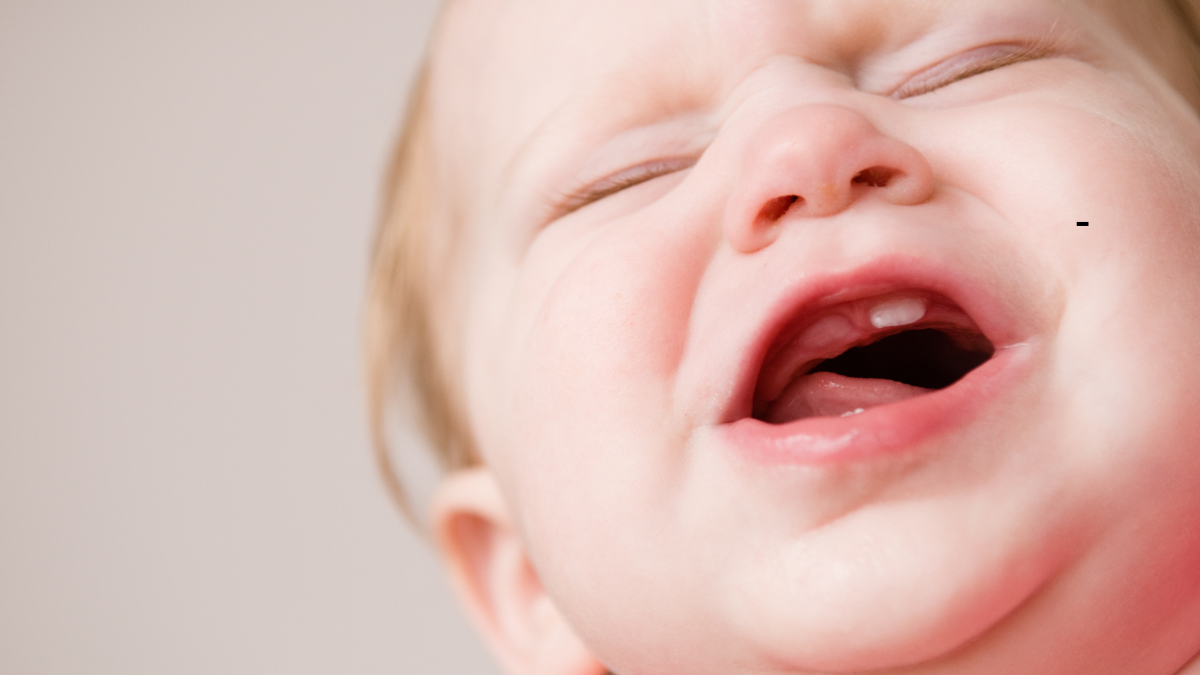
As parents and caregivers, we understand the challenges of soothing a teething baby. The discomfort can lead to irritability, disrupted sleep, and a longing for relief.
While teething tablets have been marketed as a natural remedy, it’s crucial to examine their safety and explore effective alternatives.
Understanding Teething Tablets
Teething tablets are homeopathic remedies often containing ingredients like belladonna, chamomilla, and coffea cruda. They’re designed to dissolve under a baby’s tongue, aiming to alleviate teething pain. However, concerns have arisen regarding their safety.
Safety Concerns
The U.S. Food and Drug Administration (FDA) has issued warnings about homeopathic teething tablets, particularly those containing belladonna. Studies have found that some products contain inconsistent and sometimes excessive levels of belladonna, a plant that can cause serious side effects such as seizures, difficulty breathing, and even death in infants .
Furthermore, the FDA has reported that these products have been linked to adverse events, including the deaths of at least 10 infants and over 400 cases of serious side effects .
Related: 7 Things to Do When Your Baby Is Teething
Safer Alternatives for Soothing Teething Pain
While teething is a natural process, there are several safe and effective methods to alleviate your baby’s discomfort:
1. Gum Massage
Gently massaging your baby’s gums with a clean finger can provide relief. The pressure can help soothe swollen and tender gums .
2. Chilled Teething Rings
Offer a chilled (not frozen) teething ring made of firm rubber. The cold can numb the gums and reduce inflammation. Always supervise your baby to prevent choking hazards .
Related: 5 Signs Your Baby Is Ready To Stop Napping
3. Cold Washcloth
A clean washcloth chilled in the refrigerator can serve as a safe teething aid. Allow your baby to chew on it under supervision.
4. Chilled Solid Foods
For babies over six months old who have started solids, offering chilled pieces of fruits like bananas or apples can soothe teething pain. Ensure the pieces are large enough to prevent choking .
5. Over-the-Counter Pain Relievers
If your baby is in significant discomfort, consult your pediatrician about administering age-appropriate doses of acetaminophen or ibuprofen. These medications can help alleviate pain and reduce inflammation .
Related: 5 Signs Your Baby Is Ready To Stop Napping
6. Distraction and Comfort
Sometimes, simply holding your baby, rocking them gently, or offering a favorite toy can provide comfort and distract from the discomfort.
What to Avoid
To ensure your baby’s safety, avoid the following:
-
Homeopathic teething tablets and gels: These can contain harmful ingredients like belladonna and lack consistent dosages.
-
Topical anesthetics: Gels containing benzocaine or lidocaine can cause serious side effects, including methemoglobinemia, a condition that reduces the amount of oxygen in the blood .
-
Teething necklaces or bracelets: These pose a risk of choking, strangulation, and mouth injury .
Related: 12 Amazing Baby Shower Brunch Food Ideas
When to Consult a Pediatrician
While teething is a natural process, certain symptoms may indicate other health issues. Contact your pediatrician if your baby:
-
Experiences a fever higher than 100.4°F (38°C)
-
Has diarrhea
-
Shows signs of dehydration
-
Exhibits persistent irritability or discomfort
Related: How to Help Your Baby Sleep Better
Frequently Asked Questions (FAQ)
Q: At what age do babies start teething?
A: Most babies begin teething around 6 months of age, but it can vary. Some may start earlier or later.
Q: Can teething cause a fever?
A: Mild fevers up to 100.4°F (38°C) can occur with teething. Higher fevers may indicate an illness and should be evaluated by a doctor.
Q: Are there any natural remedies for teething pain?
A: Yes, methods like gum massage, chilled teething rings, and offering chilled fruits can provide relief.
Q: How can I prevent choking hazards with teething aids?
A: Always supervise your baby with teething aids, ensure items are age-appropriate, and avoid small objects that could be a choking risk.
Q: When should I seek medical advice for teething?
A: If your baby exhibits severe symptoms like high fever, persistent vomiting, or unusual irritability, consult your pediatrician.
Conclusion
While teething tablets have been marketed as a natural remedy, their safety is questionable due to inconsistent ingredient levels and potential side effects. It’s essential to rely on proven, safe methods to soothe your baby’s teething discomfort. Always consult your pediatrician if you have concerns about your baby’s health or teething symptoms.
For more information on safely soothing teething pain, visit the FDA’s guidance on the topic: Safely Soothing Teething Pain in Infants and Children.
If you have any further questions or need personalized advice, don’t hesitate to reach out to your healthcare provider.
Save the pin for later


- How to Help a Child Deal With Anxiety at Home - September 12, 2026
- How to Prepare Your Child for the First Day of School - September 12, 2026
- Age-Appropriate Chores for Kids by Age Group - September 12, 2026